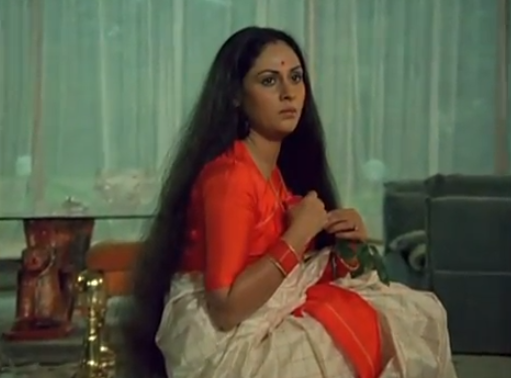
R.I.P Rajesh Khanna: The Death of a Bollywood Superstar

Rajesh Khanna passed away today at the age of 69 after an extended period of illness that began in April. For all fans of old Bollywood films, this news is incredibly saddening. Although many stalwarts came before him, Rajesh Khanna was the first actor to achieve the status of a superstar in Hindi cinema. At the peak of his career, he delivered 15 consecutive hits as a solo lead actor, a feat that no other actor in the industry has matched to this day.

As a tribute to this Bollywood legend, let us take a closer look at those 15 films that Rajesh Khanna starred in at the pinnacle of his career (1969-1971) with the gallery of images below.

With his inimitable charm, unique mannerisms, and dashing good looks, Rajesh Khanna will always be remembered as one of Bollywood’s most beloved heroes. What is your favorite Rajesh Khanna film? Share with us in the comments! My vote goes to Aradhana (1969) — it’s one of the first films I watched that turned me into a fan of old Hindi cinema.

-Mr. 55

The Glorification of Alcohol in Hindi Cinema

A study released in April of this year claimed that Indian adolescents aged 12-16 exposed to alcohol consumption in films were nearly three times more likely to drink than their peers who did not watch Bollywood movies. While this study most likely pertains to the movies released in the industry today, I would venture to say that the origins of this trend can be traced back to films from the Golden Era of Bollywood cinema. Indeed, the consumption of alcohol has been glorified on India’s silver screen for decades, especially through portrayal of sharaab (alcohol) songs in films. Here, I’ve compiled a list of my five favorite male and female sharaab numbers from the Golden Era–let’s take a closer look at these examples to examine how the consumption of alcohol has been portrayed cinematically and its implications on Indian culture.

“Girls Just Want To Have Fun”

In Bollywood’s earliest days, drinking alcohol in films was portrayed as a strictly masculine activity, à la Devdas and other Bollywood heroes who have famously drowned their sorrows in liquor. In contrast, the idealized image of the traditional Indian woman did not permit the depiction of female alcohol consumption in the media.  This trend began to change in the 60s when films depicted heroines and female actresses playing roles in which they partook in the consumption of the Devil’s nectar, just like their male counterparts. As you can see below, the contexts in which female characters drink vary from film to film: alcohol has been used by the women of Bollywood as a coping mechanism, a means of revenge, or just a way to have a good time.

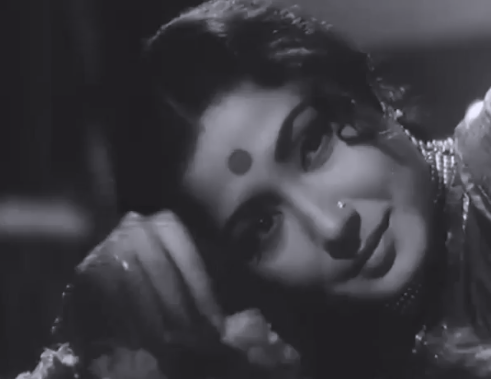
na jaao saiyaa.n (Sahib Bibi aur Ghulam, 1962): In this film based on a Bengali novel by Bimal Mitra, Meena Kumari gives one of her career’s best performances as Chhoti Bahu. Chhoti Bahu is married to young zamii.ndar (played by Rehman), who neglects his wife at home in order to take part in debauchery at local brothels on a nightly basis. In desperate need of her unfaithful husband’s companionship, she decides to take up drinking in order to keep him away from those pesky courtesans at night. In this heartbreaking song sung by Geeta Dutt, Chhoti Bahu drunkenly entreats her husband to stay at home and spend the night with her. In a truly unfortunate example of art mimicing real life, both Geeta and Meena would succumb to alcoholism as a way to cope with their unhappy marriages in the coming years. For those of you who enjoy this song, be sure to check out Hemant Kumar’s Bengali version of the same tune: “olir katha shune.

Meena Kumari, as Chhoti Bahu, tragically turns to alcoholism in Sahib Bibi aur Ghulam (1962).

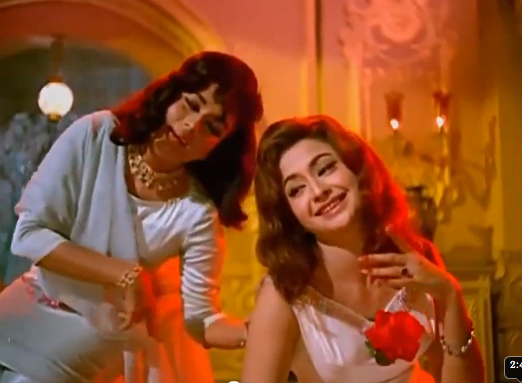
piike hum tum jo chale aaye hai.n (Gumnaam, 1965): This film (reviewed by us here) is a suspense thriller loosely based on the Agatha Christie novel And Then There Were None. The story revolves around seven vacationers who find themselves on a remote island in the middle of nowhere after a plane crash. One by one, they are murdered off and the big question is, of course: whodunnit? In the midst of all this tension, two of the vacationers, Miss Kitty (played by Helen) and Asha (played by Nanda), decide to loosen up and have some fun with a few drinks. In this comical duet sung by Asha Bhonsle and Usha Mangeshkar, the two actresses appear to be having the time of their lives in a drunken stupor on screen. I mean, who wouldn’t be having a good time if they were getting drunk with Helen?

Helen and Nanda get sloppy together in Gumnaam (1965). If you excuse the stumbling, Helen actually looks quite sophisticated in this scene because she’s not wearing one of her characteristically outrageous wigs/outfits.

aao huzuur tum ko (Kismat, 1968): This Asha-OP Nayyar collaboration is an all-time classic from the soundtrack of Kismat (along with “kajraa muhabbatvaalaa“). The film’s narrative is so outrageous that it’s not even worth summarizing here, but this song is picturized on the actress Babita, who is the mother of Karisma and Kareena Kapoor. Babita never managed to gain much success as a heroine, and that’s not surprising given that it’s unclear whether she is drunk or undergoing eplipetic fits in this particular scene. She certainly does make a statement though and manages to embarass the hero Biswajeet with her public intoxication at this party. Regardless of the picturization, Asha Bhonsle adds all the right expressions here to make this an unforgettable sharaab number on the basis of the song alone. Her vocal control in the extended introduction (“ham se raushan hai chaa.nd aur taare...”) before the song’s first stanza is especially commendable. 

Babita has probably had one too many in this scene from Kismat (1968)

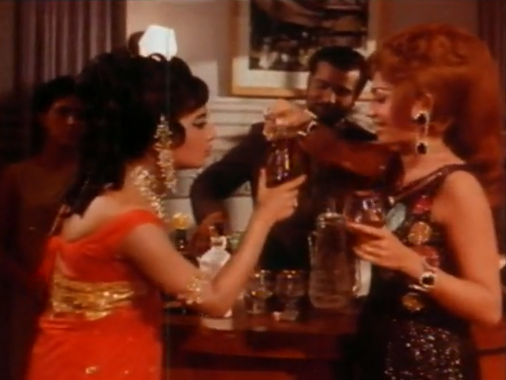
kaise rahuu.n chup (Inteqaam, 1969): Inteqaam is an entertaining (but occaisionally illogical) thriller that stars Sadhana as a woman who seeks revenge against her former boss because he framed her for a theft that she did not commit. As part of her elaborate plan for revenge, she intends to marry her boss’s son (played by Sanjay Khan) and bring shame to his entire family by revealing that the new bahu is, in fact, a convicted criminal! In this song, Sadhana further embarasses her boss’s family by  acting extremely intoxicated under the influence of alcohol at a public gathering. (Technically, this might not be considered a genuine sharaab song because Sadhana is putting on a facade of being drunk without actually consuming, but I liked this song too much to pass up putting it on the list.) This soundtrack composed by Laxmikant-Pyarelal is particularly memorable today because it casts a different light on Lata Mangeshkar, who was considered to be staunchly conservative and traditional in her playback output.  Lata surprises us all by agreeing to sing two sizzling cabaret numbers in addition to this drinking song for the film–listen to her nail those hiccups during the interludes!

Helen serves Sadhana another glass in Inteqaam (1969)

piyaa tuu ab to aajaa (Caravan, 1971): Asha Bhonsle and R.D. Burman come together to produce one of their biggest musical hits together with this classic item number from Caravan. Asha’s performance here solidified her status as the queen of cabaret singing in Hindi cinema. Furthermore, Helen’s portrayal of a nightclub dancer on screen during this song is considered the quintessential Bollywood cabaret performance. Helen’s dance moves are completely outrageous here but she makes it work somehow (see Mrs. 55’s step-by-step breakdown here). Given the ridiculousness of the situation here, you can’t really blame Helen for the heavy drinking…it certainly doesn’t stop her from completely owning the stage during her performance!
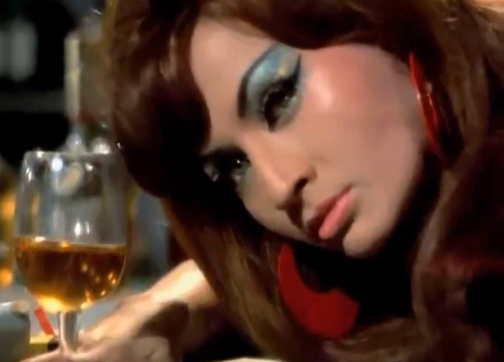
Helen gives one of the best cabaret performances of her career in Caravan (1971)

“Alcohol May Be Man’s Worst Enemy…”

Unlike their female counterparts, the men of Bollywood cinema have been imbibing alcohol since the industry’s earliest days. The most popular context for male drinking in Hindi films occurs when the hero resigns himself to heavy drinking in order to drown his sorrows, usually caused by woman-related heartbreak. While female characters are often stigmatized for their drinking and public intoxication, it is more acceptable for men of the silver screen to use alcohol consumption to deal with their grief.  Other contexts where actors are depicted consuming alcohol include scenes of male-male bonding (bromances, anyone?) and seduction of heroines and courtesans. Though Bollywood has glamorized the consumption of alcohol for both genders, the effect is far more pronounced for males, as evident in the examples I’ve selected below.

mujhe duniyaavaalo sharaabii na samjho (Leader, 1964): Even though its soundtrack is full of gems like “tere husn kii kyaa tariif karuu.n” and “ek shahanshah ne banvaa ke ek hasii.n taaj mahal,” Leader is one mess of a film starring Dilip Kumar and Vijayantimala. Dilip Kumar stars as a law graduate and aspiring political revolutionary who falls in love with a princess (played by Vijyantimala). The script has so many holes that it’s difficult to discern the overall message of this film, but there are some scenes of comic relief between Vijayantimala and Dilip Kumar that are worth remembering. By far, however, the main attraction here is the soundtrack composed by Naushad. In this particular number, an intoxicated Dilip Kumar claims that he has been forced to take up drinking to grapple with society’s evils.
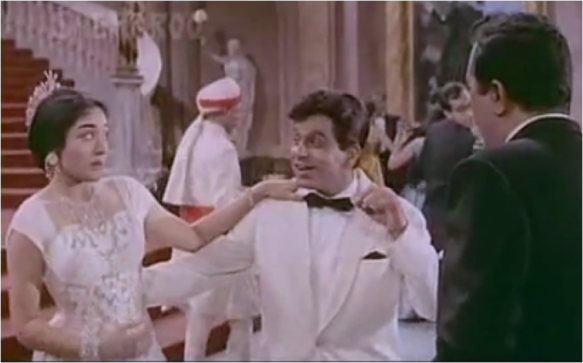
Vijayntimala tries to stop a drunk Dilip Kumar from embarassing himself too much at this party in Leader (1964).

din Dhal jaaye (Guide, 1965): Where do I even begin with the praise for Vijay Anand’s Guide? Mrs. 55 and I both love everything about this film: the unique story written by R.K. Narayan, the stellar performances by Dev Anand and Waheeda Rehman, and of course, the unforgettable soundtrack composed by S.D. Burman. Each and every song from this film is an absolute gem. In this particular Rafi solo picturized on Dev Anand, the hero drowns his sorrows about lost love in alcohol. The melancholic expression that pervades throughout this scene is enhanced by the beautifully crafted lyrics and tune.

Dev Anand turns to the bottle when love goes sour in Guide (1965).

chuu lene do naazuk ho.nTho.n ko (Kaajal, 1965): With this Rafi number penned by Sahir Ludhianvi and composed by Ravi, Raaj Kumar tries to get Meena Kumari, his on-screen shaadi-shudhaa (virtuous) wife, to come to the dark side by having a drink. Alcohol glorification occurs is at its finest in these lyrics: it is referred to as “mubarak cheez,” or a blessed thing.  Meena Kumari excels, as usual, at looking incredibly uncomfortable and disturbed by Raaj Kumar’s advances in this scene.
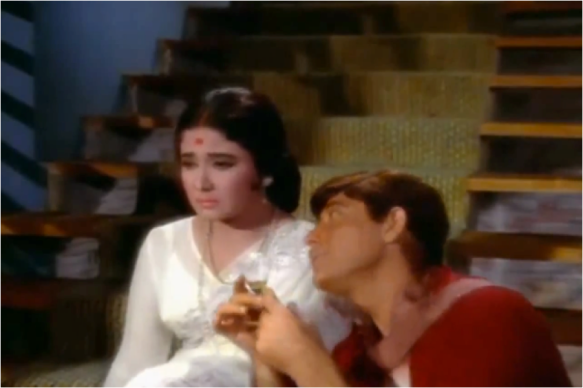
A drunk Raaj Kumar tries to get Meena Kumari on his team in Kaajal (1965).

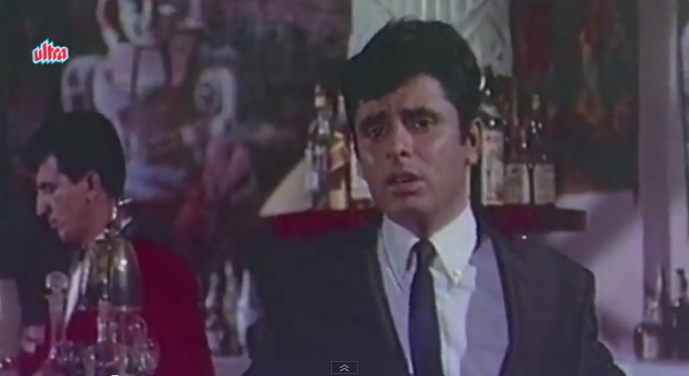
jo unkii tamanna hai barbad ho jaa (Inteqaam, 1969): This film certainly features a lot of alcohol consumption on screen. In addition to the drunk Lata number discussed above, this Rafi solo from Inteqaam is picturized on Sanjay Khan as he laments being a mere object in Sadhana’s plans for revenge. Rajinder Krishan’s lyrics are exquisite in their ability to capture the essence of being deceived in love.
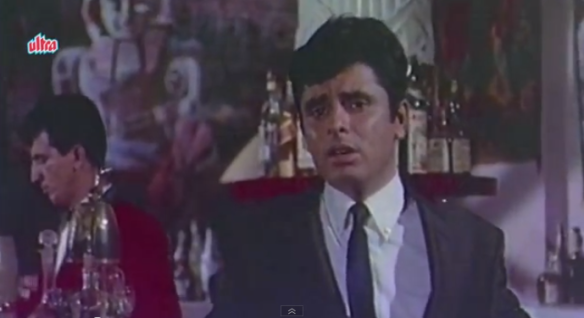
Handsome Sanjay Khan turns to alcohol to get over Sadhana’s deception in Inteqaam (1969)

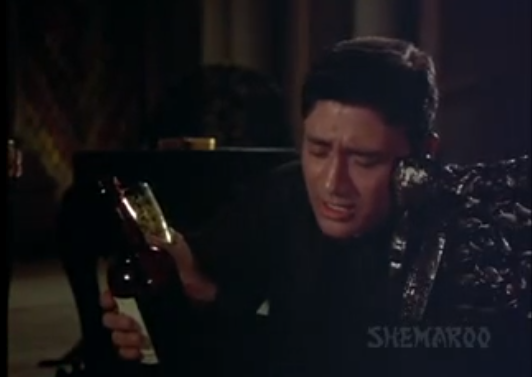
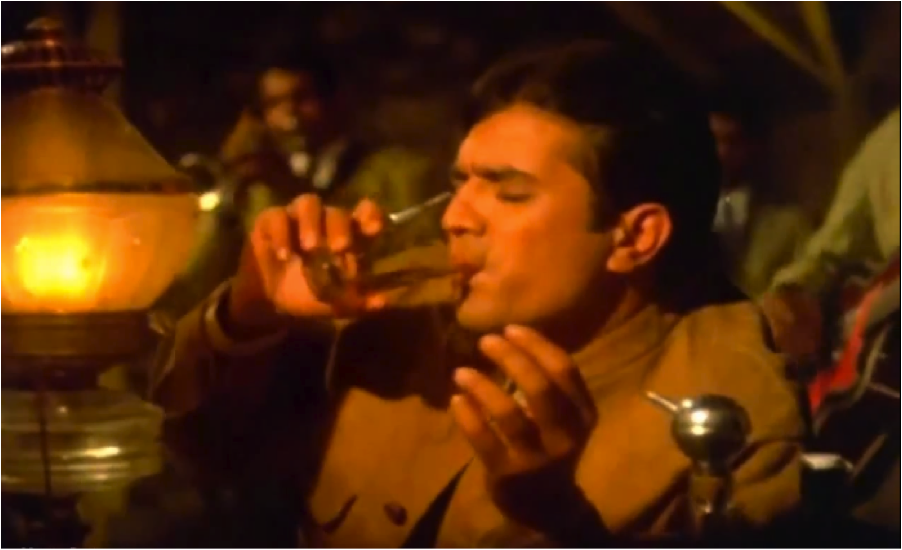
yeh jo muhabbat hai (Kati Patang, 1970): Directed by Shakti Samanta, this film features an evergreen soundtrack composed by R.D. Burman. This particular number sung by Kishore Kumar is one of Bollywood’s most treasured drinking songs, and it features a handsome and bitter Rajesh Khanna drinking the night away because he was stood up at the altar by his wife-to-be.  Asha Parekh watches from a distance, not yet aware of the fact that she is the woman responsible for his heartache.

Rajesh Khanna drinks another glass of liquid courage before singing about the pain of disloyal love in Kati Patang (1970).

What are some of your favorite sharaab/daaru songs from Bollywood films? Let us know in the comments! We’ll understand if your typing is a little bit off…
Mr. 55
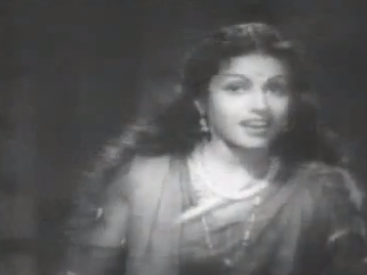
Which Actor Did Hemant Kumar Sing For Best?

Hemant Kumar (1920-1989) was a legendary Hindi and Bengali film music composer and singer.

Hemant Kumar (1920-1989) was a legendary Hindi and Bengali film music composer and singer.

In classic Bollywood cinema, playback singers could make or break the career actor. Famous actor-singer pairings are legendary. The voice of the singer became the soul of the actor and once a perfect match was made, it was hard to separate them without upheaval. Who could imagine anything but the manly voice of Kishore Kumar with the face Rajesh Khanna? Or the playful sweetness of Mohammed Rafi with fun-loving Shammi Kapoor? When Mukesh passed away, Raj Kapoor (for whose career Mukesh lent his illustrious talent) famously burst into tears and announced, “I have lost my voice.”

But occasionally we find a rogue player in Hindi film music. Hemant Kumar stands out as a unique character, a difficult man to place in the rankings. For he was not merely a singer, but a legendary music director as well in both Hindi and Bengali cinema. Hemant Kumar was heavily influenced by Rabindrasangeet (like his contemporary S.D. Burman!), and first broke into the Bengali industry as a music director in 1947, the year of Indian independence. Hemant Kumar’s unmatched virtuosity led him to not only sing many of the hit songs of the 50s and 60s in Bombay himself, but he actually formed his own production company that made classics such as Bees Saal Baad (1962), Kohra (1964), and Khamoshi (1969). In the 70s he even dabbled as a film director with moderate success.

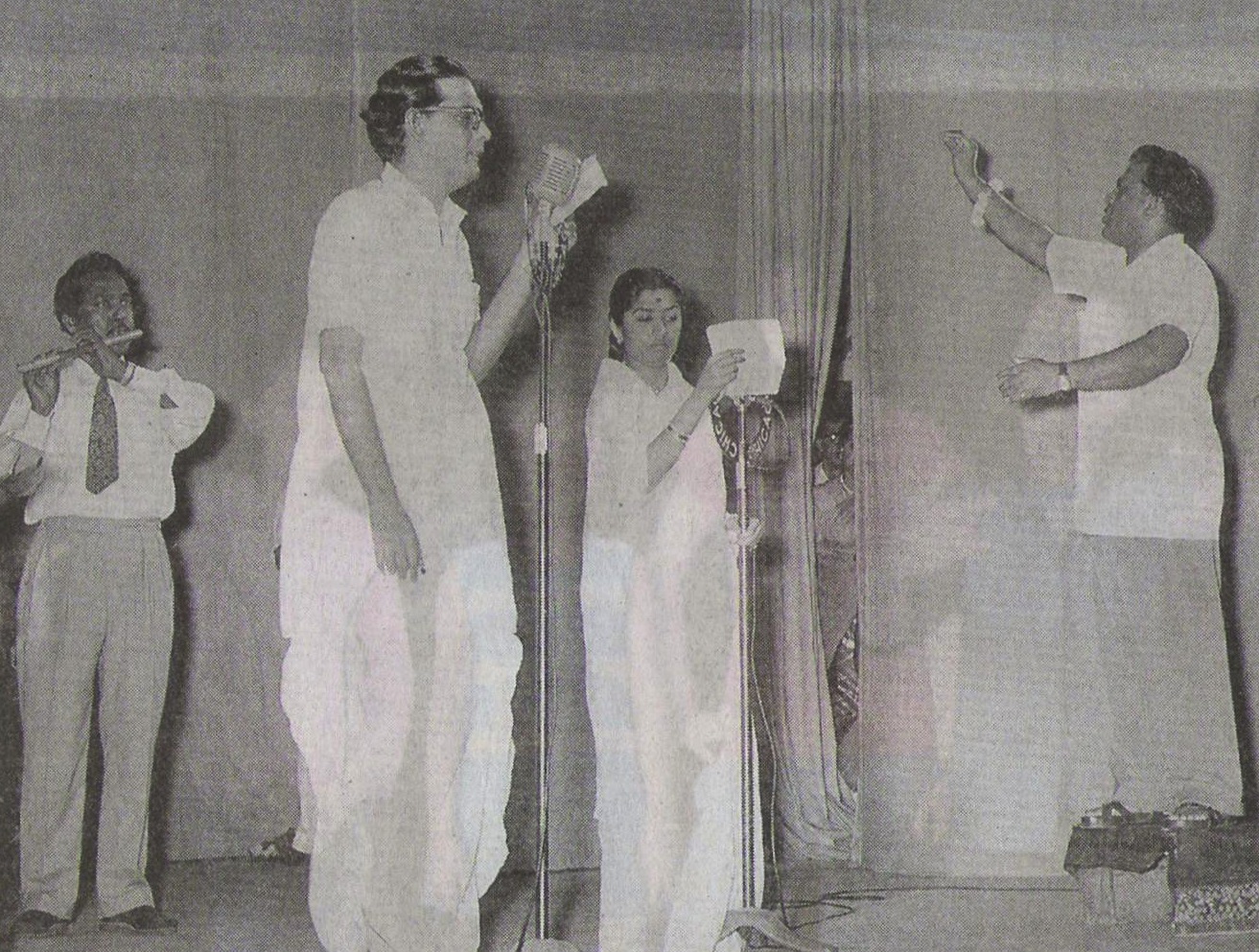
Hemant Kumar recording a song with Lata Mangeshkar

Hemant Kumar and Lata Mangeshkar during the studio recording of “Nain So Nain” from Janak Janak Paayal Baaje (1955).

But for me, it was as a singer that Hemant Kumar always shines and also the category in which history has given him the shaft. His voice was absolutely unlike any other in the industry–a deep and soulful richness that no one could touch. Interestingly, for a man whose talents were so diverse, Hemant Kumar never took to acting and singing his own songs on screen (à la Kishore Kumar). Instead, he sang for a myriad of rising and great actors across the decades–never branding himself with a single artist. Hemant Kumar remained a maverick, and for it, is often brushed aside.

So I now pose to you the question–which actor do YOU think Hemant Kumar sang for best? His voice graced the images of many men, but did it work for all of them? Your contestants are Guru Dutt, Dharmendra, Biswajeet, Dev Anand, and Shammi Kapoor. We present five songs below that illustrate some of Hemant Kumar’s finest collaborations with these actors and the cinematic chemistry that ensued.

1. Guru Dutt: Jaane Woh Kaise

The voice of tragedy, Hemant Kumar sings for Guru Dutt in this timeless lament from Pyaasa (1957). Guru Dutt, who often played the tragic poet, seems a natural choice for the resonant tones of Hemant Kumar in this song that has become iconic for all awkward dinner party songs.

2. Dharmendra: Tum Pukar Lo

Discussed in a previous post, Khamoshi (1968) is a heart-wrenching film about love, loss, and insanity. Although you don’t see much of Dharmendra’s face in this sequence, his subtle performance matches the song’s patient yearning with a hint of a Western flair. But to me, as an actor Dharmendra is somehow too shallow to be worthy of a Hemant Kumar solo. Maybe that’s just me?

3. Biswajeet: Yeh Nayan Dare Dare

A tender sequence from the film Kohra (1964), this song embodies the sweet side to Hemant’s voice that comes in the middle of a spooky film noir. I’m not going to pretend that Biswajeet is anything but a joke, but for me this pairing works–Hemant’s sweet vocals and Biswajeet’s confident, but appeasing motions to Waheeda are a pleasing combination.

4. Dev Anand: Yeh Raat Yeh Chaandni Phir Kahaan

God, I love it. I’ll be the first to tell you that no one sang better for Dev Anand than Mohammed Rafi, but this song is something else. I’ve discussed this sequence already in our earlier translation of the song, but let me just repeat that Hemant Kumar in a seductive mood blends beautifully with that longing gaze of Dev Anand’s. It’s just so exciting and rare, not to mention compliments Dev Anand’s semi-gravely voice in this film.

5. Shammi Kapoor: Aye Dil Ab Kahin Lejaa

This is another beautiful Hemant Kumar tragedy with a touch of mystery. Shammi is clearly giving it his all in this song, but somehow, I think it just doesn’t come together. Shammi Kapoor is too much of a hot mess for me to believe anything but Mohammed Rafi coming out of his mouth–the resonant voice of Hemant seems incongruous with those histrionics, despite its unarguable beauty.

And the winner is…?

I’m gonna have to say Guru Dutt–that song is just sublime on every level, but I’m open to discussion. Who do you think matched Hemant Kumar’s voice best? Let us know YOUR opinion in the comments!

-Mrs. 55

P.S. Wondering why we didn’t mention female playback singers here? It’s because the female side of things worked very differently, ie., it was Lata and Asha or bust. Every actress had them, and with the occasional Geeta Dutt or Shamshad interlude, there was no room for a “signature” playback artist per actress (although Lata will argue she “changed” her voice depending on the actress–more on this to come!)

Sansaar Se Bhaage Phirte Ho Lyrics and Translation: Let’s Learn Urdu-Hindi

Meena Kumari stars as an enchanting courtesan in Chitralekha (1964)

Sahir Ludhianvi’s lyrical genius as an Urdu poet is widely known, but his poetry in pure Hindi is considerably less prolific. While Sahir churned out gem after gem of Urdu shayari in films such as Taj Mahal and Gumraah, his output in pure Hindi is limited to a handful of films. Sahir’s first foray into the field of Hindi poetry occurred in the soundtrack for Chitralekha (1964), a film directed by Kidar Sharma based on a novel by the same name written by Bhagawati Charan Verma in 1934. The story revolves around the protagonist Chitralekha (played by Meena Kumari), a widowed courtesan who seduces men to their doom with her beauty in the court of King Chandragupta Maurya. Prince Bijgupt (played by Pradeep Kumar) is one of her many admirers, and his lust for Chitralekha prevents him from fulfilling his royal duties. Kumar Giri (played by Ashok Kumar) is a conflicted holy man whose spirituality wavers when faced with the temptation of Chitralekha’s physical charms. Overall, the film questions the philosophical significance of sin and virtue by tracing Chitralekha’s development from being a haughty courtesan to a humble ascetic. Despite this film’s compelling narrative and exploration of uncoventional themes, it failed to achieve success at the box office, especially when compared to its 1941 predecessor (the second highest grossing film of the year!). The mediocre box office performance has been attributed to miscasting of the main characters and a poorly written script.

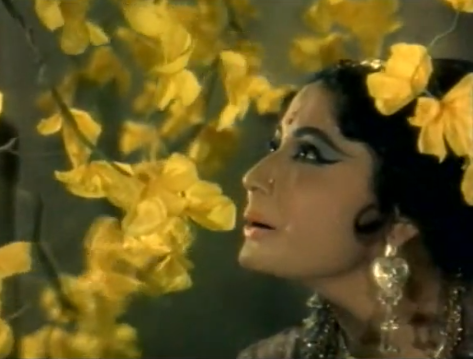
Meena Kumari sings the line “apaman rachetaa kaa hogaa, rachnaa ko agar Thukraaoge” amidst a setting of flowers, which symbolize the natural beauty of creation.

Given the lackluster audience reception at the time of its release, this film is generally remembered today for its soundtrack composed by Roshan and penned by Sahir Ludhianvi. The two songs that are the most well known from this film are the Rafi solo “man re tu kaahe na dhiir dhare” and “sa.nsaar se bhaage phirte ho,” the Lata solo that I’ve chosen to translate today. Based on Raga Yaman Kalyan, this song is a  beautifully crafted statement against spiritual hypocrisy. Through his words, Sahir rejects the conception of sin and virtue established by organized religions in favor of a philosophy of universal hedonism. In context of the film, Chitralekha uses this song to mock Kumar Giri’s ascetism after he patronizes her with a sermon about giving up her sinful lifestyle in order to attain spiritual enlightenment. My favorite part of this song is probably when Chitralekha sings the clever and incisive line: “apaman rachetaa kaa hogaa, rachnaa ko agar Thukraaoge” (It will be an insult to the Creator himself, if you reject the act of creation). This song is full of feisty one-liners like this, so please take a listen to the song and follow along with translation/glossary below if you’d like to hear more. To conclude, I think we can all agree that Sahir does not disappoint here and proves his versatility poet who is equally comfortable writing lyrics in shuddh Hindi as he is in Urdu. Very impressive, indeed–enjoy!

-Mr. 55
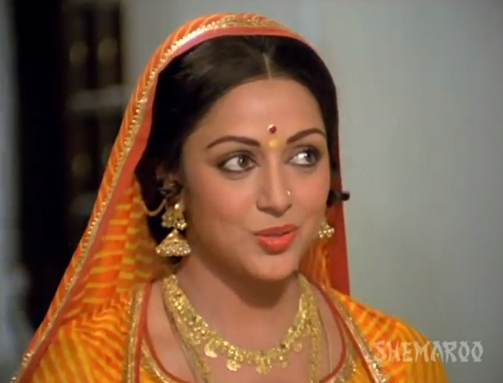
Meena Kumari stumbles under the intoxication of wine in the company of her harem.

Sansar Se Bhage Phirte Ho Lyrics and Translation

sa.nsaar se bhaage phirte ho, bhagvaan ko tum kyaa paaoge?
As you flee from society, how will you find God?
is lok ko apnaa na sake, us lok me.n bhii pachataaoge.
You didn’t consider this world as your own, and you will repent it in that world. 

 ye paap hai.n kyaa, ye punya hai.n kyaa? riito.n par dharm kii mohare hai.n
What is sin and what is virtue? Religion uses such traditions as mere facades. 
har yug me.n badalte dharmo.n ko kaise aadarsh banaaoge?
How will you idealize the changing religions of every age?

yeh bhog bhii ek tapsaya hai, tum tyaag ke maare kyaa jaano?
This suffering is also a form of penance; what would you know, you renunciation-stricken fool?
apaman rachetaa kaa hogaa, rachnaa ko agar Thukraaoge.
It will be an insult to the Creator himself, if you reject the act of creation. 

ham kahte hai.n yah jag apnaa hai, tum kahte ho jhuuTha sapna hai.
I claim that this world is mine; however, you consider it a false dream.
ham janam bitaa kar jaaye.nge, tum janam gavaa kar jaaoge.
I will live life to the fullest, but you will waste yours in vain. 

sa.nsaar se bhaage phirte ho, bhagvaan ko tum kyaa paaoge?
As you flee from society, how will you find God?

Glossary 

sa.nsaar: society; bhagvaan: God; pachataanaa: to repent, regret; lok: world; paap: sin; punya: virtue; riit: tradition; dharm: religion; mohara: front, facade; aadarsh banaanaa: to idealize; bhog: suffering;  tapasya: penance; tyaag ke maare: struck with renunciation; apaman: insult; rachetaa: the Creator; rachnaa: to create; Thukraanaa: to reject, disapprove;  jag: world.

Ashok Kumar plays the role of the conflicted holy man Kumar Giri in Chitralekha (1964)

Meera Bhajans as Film Songs: The Saintlier Side of Bollywood

Meera-bai (c. 1498-1547 A.D) was a mystical poet and devotee of Lord Krishna

When most people think of Bollywood cinema, they usually think of extravagant costumes, seductive dance moves, and lots of melodramatic overacting. While all this extravagance is certainly an integral aspect of the industry, you may be surprised to learn about a saintlier side of Bollywood that I will discuss here today: the use of Meera-bai’s texts in Hindi film music.

Meera-bai was a 16th-century mystic whose devotion to Lord Krishna has been immortalized in Indian culture through her poetry and bhajans (religious songs). Meera, a Rajput princess, was married off to a prince at young age, but this marriage did not satisfy her as she already  considered herself the spouse of Lord Krishna. Her husband died in battle soon after their marriage and Meera became a widow at an early age. Meera transformed her grief into spiritual devotion and wrote many poems in praise of Lord Krishna.  In her texts, she worships Krishna from the perspective of a lover longing for union: romantic on one level and spiritual on another. Although her undying devotion to Krishna was initially a private matter, public moments of spiritual ecstasy soon outed her to society. Eventually, her brother-in-law became displeased with her excessive devotion for Krishna and made several attempts on Meera’s life. The most well-known story describes how he poisoned Meera’s prasad and made her drink it, but the Lord transformed the poison into amrit (spiritual nectar) to save her life.

Meera-bai’s texts express themes that are highly pertinent to  heroines in Hindi cinema from the Golden Era. Interpreting and contextualizing Meera’s love for Lord Krishna can be a challenging task, however, because of its apparently paradoxical relationship to acceptable gender norms for women at the time. On one hand, Meera could be considered the ideal Indian woman for the eternal devotion she displays toward her lover–in this case, Lord Krishna–in spite of all the obstacles placed in her way. The type of selfless devotion and sacrifice Meera-bai displays toward Krishna is the same type of devotion that Indian women in the chauvinistic climate of the ’50s and ’60s were expected to provide their husbands.  On the other hand, Meera-bai actually subverts the typical pativrata norms established by Indian society because her devotion is misplaced. Instead of serving her human husband, Meera devotes all of her love to Krishna, which is inconsistent with society’s expectations for the dutiful and virtuous Indian wife. This is further complicated by the fact that Meera, in her mind, actually considered herself to be the wife of Krishna (and supposedly conducted a marriage ceremony with a Krishna idol at a temple).

In any case, it is undeniable that Meera’s texts contain universal themes about love, pain, and devotion that have permeated several mediums of the South Asian cultural sphere. Here, let’s analyze a couple of examples in order to see how Meera’s words have been used in the context of Hindi film songs:

pag ghungruu bandh miiraa nachii re (Meera, 1947): Meera (1947) is a rare treat for lovers of Bollywood films because it is the only Hindi film ever made that features M.S. Subbulakshmi as both an actress and playback singer. M.S. Subbulakshmi, who was the first musician to be awarded the prestigious Bharat Ratna, is one of the most renowned vocalists in the history of the Carnatic musical tradition. Her singing is ethereal and sublime, and many people have praised her by saying she is modern-day personification of Meera-bai herself! Although she retired from films early in her career to pursue classical concert music, her portrayal of Meera in this film is remembered to this day for its natural and pure expression of spiritual divinity.  Words don’t do this woman justice, so just click the link and take a listen for yourself. I’ve selected one of about 20 Meera bhajans that are found in the film; in this particular poem, Meera uses the metaphor of dance to describe her love for the Lord. You may have noticed that the first line of this bhajan was used in another (much less saintly) Bollywood classic rendered by Kishore Kumar and composed by Bappi Lahiri from Namak Halaal (1982) decades later.

M.S. Subbulakshmi embodies the spiritual divinity of Meera-bai in the 1947 Hindi remake of the Tamil film Meera. 

ghunghaT ke paT khol re, tohe piiyaa mile.nge (Jogan, 1950): I have always thought that one of Geeta Dutt’s strengths as a singer was her rendition of bhajans. She shines here in this Raga Jaunpuri-based devotional composed by Bulo C Rani that has some beautiful words penned by Meera-bai. Literally, the first line translates roughly as  “remove your veil so that you can get a glimpse of your beloved.” However, on a deeper level, Meera-bai is using the veil as a metaphor for ignorance–she is asking us to remove our veils of ignorance so that we can be closer to the Lord.

erii mai.n to prem divaanii, meraa dard na jaane koii (Nau Bahar, 1952): Lata Mangeshkar is brilliant in her rendition of this Raga Bhimpalasi-based bhajan composed by Roshan and picturized on Nalini Jaywant  in Nau Bahar. Inspired by a Meera-bai poem, the words here describe how Meera’s devotion to the Lord can is best expressed through love, as she is unfamiliar with the traditional rites and rituals of worship.

 jo tum toDo piiyaa, mai.n naahii.n toDuu.n  (Jhanak Jhanak Payal Baaje, 1955):  V. Shantaram’s Jhanak Jhanak Payal Baje was one of India’s first technicolor films when it was released in 1955.  In this Filmfare award-winning film, when the character played by Sandhya fears that she has destroyed her beloved’s (played by Gopi Krishna) dancing career, she becomes so depressed that she decides to reject all wordly pleasures and become an ascetic like Meera-bai. This Bhairavi-based bhajan composed by Vasant Desai is rendered beautifully once again by Lata, who succeeds in expressing the sentiment of Meera’s words about unconditional devotion to her Lord even if he is not faithful to her.

piyaa ko milan kaise hoye rii, mai.n jaanuu.n naahii.n (Andolan, 1977)Asha Bhonsle tends to employ a lot of over-the-top histrionics in her songs, but music director Jaidev manages to get Asha at her pure, unadulterated best with this soulful composition from Andolan picturized on Neetu Singh.

mere to giriidhhar gopaal, duusro na koii  (Meera, 1979): Directed by lyricist Gulzar, this film is yet another Bollywood biopic about Meera-bai, and Hema Malini takes the starring role here. Despite high hopes, this film achieved only moderate success at the box office. However, the film’s soundtrack of  compositions by sitar virtuoso Pandit Ravi Shankar has certainly left a memorable legacy. In this particular poem, Meera-bai’s words express her singular devotion to the Lord; there is no one else in the world for her except for her Lord Krishna. While Hema falls a little flat in her portrayal of Meera, Vani Jairam actually does a great job expressing the appropriate emotions needed in this rendition and in the rest of the songs on the soundtrack. However, as you may have suspected, Vani was not Ravi Shankar’s first choice of singer for this film–his first choice was none other than Lata Mangeshkar. Lata, however, turned him down, by using the following reasoning:

“How could I? I had already done Meera bhajans for my brother Hridaynath.”

Now, don’t get me wrong, I love the non-filmi album of Meera bhajans released by Lata and Hridaynath. In fact, Lata’s rendition of a similar text  “mhara re giridhhar gopaal, duusra na koii” tuned by Hridaynath for this album is absolutely exquisite. However, her reasoning here doesn’t really make sense to me. Even before her album for Hridaynath, Lata had sung plenty of Meera bhajans for films (see above!) under the baton of other music directors, so I don’t see how this excuse constitutes a legitimate reason to refuse singing in this film. I suspect that her refusal had more to do with some lingering bad blood between her and Ravi Shankar from their prior collaboration on Anuradha (1960): apparently, tensions had flared between the two of them because Lata had failed to show up to a recording session of “saa.nvare saa.nvare” without prior notice. 

Hema Malini is way too attractive to pull off being an ascetic in Meera (1979)

 jo tum toDo piiyaa, mai.n naahii.n toDuu.n  (Silsila, 1981): Although this text is similar to the Jhanak Jhanak Payal Baje song listed above, the melody is quite different because music directors Shiv-Hari have tuned this song to the Raga Chandrakauns, an underused raga that is quite rare in the filmi musical sphere. Lata, unfortunately, sounds a bit past her prime here, but this song is still memorable for Meera-bai’s words and their relevance to the contemporary situation at hand in the film. Similar to the real-life rumors that were rampant at this time, Jaya Bacchan’s character suspects that her husband (played by Amitabh Bacchan) is having an extramarital affair with another woman (played by Rekha). Meera-bai’s lyrics express the anguish and torment that Jaya feels in response to her husband’s infidelity, but she resolves to remain faithful to him even though he is not faithful to her. Interestingly, things also turned out this way in real life–Jaya stayed with Amitabh even though it was widely known within the film community that he had cheated on her with Rekha.

Jaya Bacchan laments her husband’s infidelity in Silsila (1981). Look at those eyes!

What are some of your favorite bhajans featured in Bollywood films? Let us know in the comments!
–Mr. 55