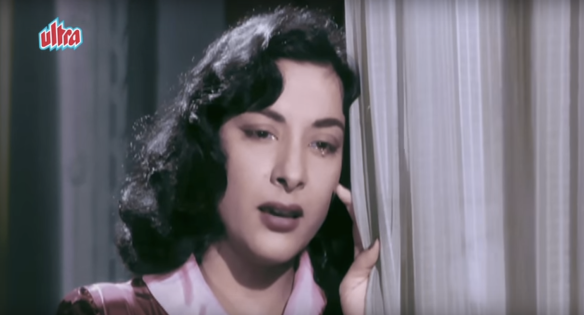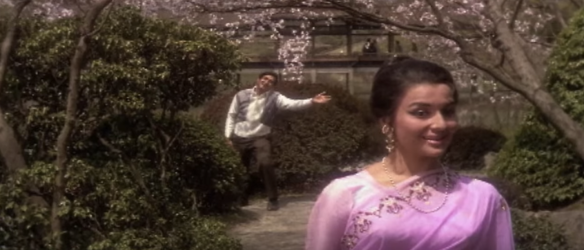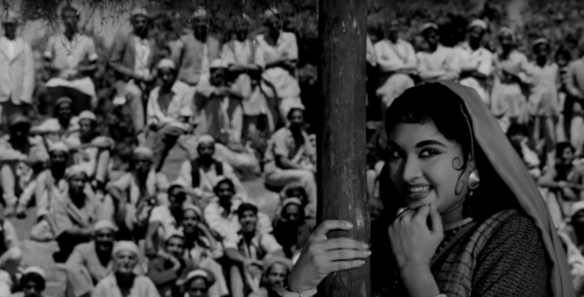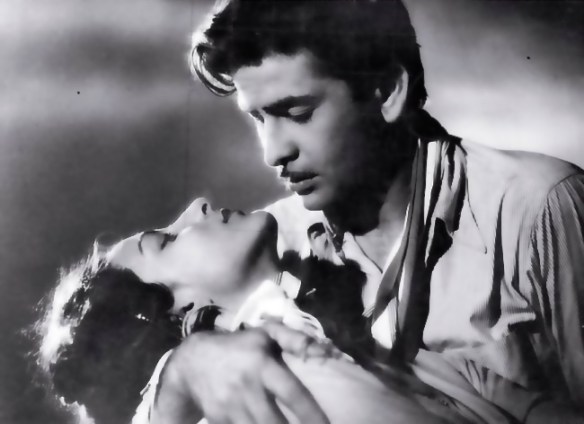
Jadugar Saiyan Lyrics and Translation: Let’s Learn Urdu-Hindi

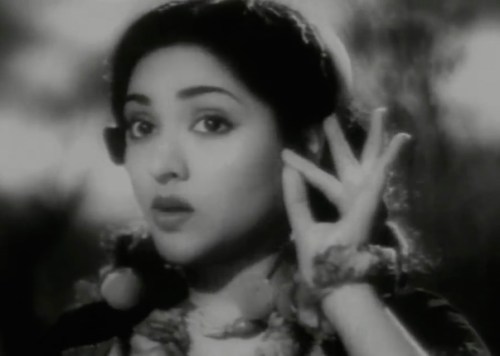
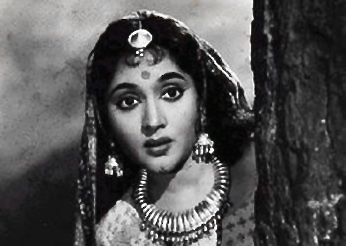
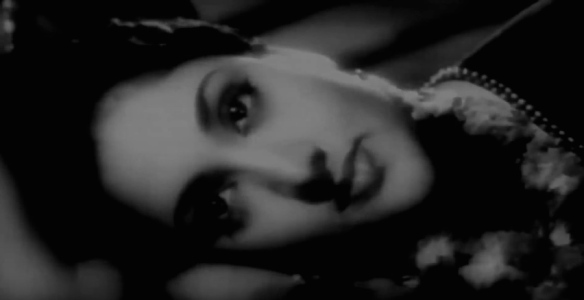
Vijayantimala in Nagin (1954)

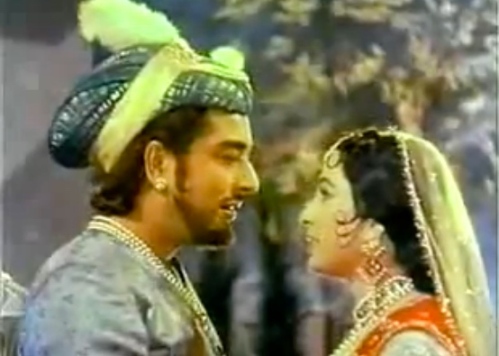
Vijayantimala gazes at her snake-charmer lover in Nagin (1954)

Today we highlight the lyrics and English translation of the sweet Lata Mangeshkar solo “Jadugar Saiyan” from the hit film Nagin (1954). A lively mandolin solo fades in as a handsome young couple daydream in a jungle grove . There are many reasons why this song is one of Bollywood’s favorites. For me, I think it is because “Jadugar Saiyan” captures that beautiful age of innocence we like believe once existed in Indian romance. This song hearkens us back to a fabricated time when just holding hands could give a man heart palpitations, and all the women sung amazingly just like Lata Mangeshkar.

Mala, played by Vijayantimala, and Sanatan, played by Pradeep Kumar, come from rival spear-throwing adivasi clans whose eclectic livelihood involves capturing live snakes. The feisty, blood-thirsty daughter of the clan chief, Mala, is the definition of bada$$, complete with an intimidating ‘do and a bow-and-arrow ensemble. After hearing the enchanting been melody Sanatan is playing to lure a family of cobras, she falls for him harder than any snake ever had. The feeling is mutual, for even when she later attempts to kill him (he is from a rival family, after all), he’s too hooked to let a minor thing like disregard for human life get between them.

While the lyrics of the song are from the point of view a girl who claims to desperately wish to go home because it’s past her curfew, the tone is completely flirtatious. Throughout the entire song, he does literally nothing to stop her from leaving (unless you count the occasional flex of his bare pectoralis majors), while Mala dances circles around him, initiates impromptu games of tag, and bats her eyelids ferociously. This endearing, almost comical, tension between the girl’s actions and words underscore the wholesome nature of their love affair. I mean, there are probably more scintillating things you could say to entice the man you love other than how your all your besties are going to tease you for being embarrassed later. Mala embodies that purity of intention with just a dash of spice that makes her the quintessential Bollywood heroine.
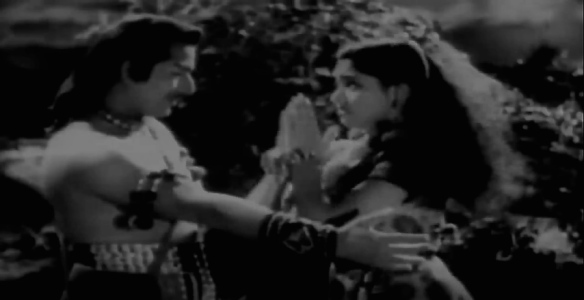
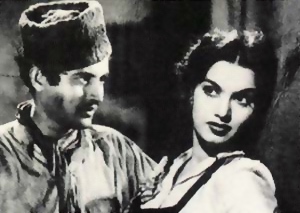
Vijayantimala pleads with Pradeep Kumar in Jadugar Saiyan from Nagin

Vijayantimala pretends to plead with a shirtless Pradeep Kumar in “Jadugar Saiyan” from Nagin (1954).

At the end of the song, Mala’s father arrives to break up the party, spelling utter disaster for our star-crossed couple. Welcome to 1950s Bollywood, people. Sanatan might be able to kill a poisonous cobra with his bare hands, but there can be no worse fate for our hero than to suffer disapproval from his would-be father-in-law.

With lyrics by Rajinder Krishan and music by Hemant Kumar, the soundtrack from Nagin is one of Bollywood’s all-time best. Be sure to check out Vijantimala’s extra special dance moves in the music video, and we hope you love the lyrics and English translation of this delightful song from Nagin as much as we do!

Jadugar Saiyan Lyrics and English Translation:

jaaduugar, saiyaa.N, chhoDo more bai.Nyaa
Magician, beloved, let go of my wrists
ho gayii aadhii raat, ab ghar jaane do
It is midnight, let me go home

jaane de, O rasiiyaa, mere man basiiyaa
Let me leave, O sweet one, for you reside in my mind
gaao.N meraa baDii duur hai
My village is very far away
terii nagariiyaa.N ruk na sakuu.N mai.N
I cannot stop in your town
pyaar meraa majbuur hai
My love is helpless
zanjiir paDii mere haath, ab ghar jaane do
My hands are shackled, now let me go home

jaaduugar, saiyaa.N, chhoDo more bai.Nyaa
Magician, beloved, let go of my wrist
ho gayii aadhii raat, ab ghar jaane do
It is midnight, let me go home

jhukii jhukii a.Nkhiiyaa.N dekhe.Nge saaDii sakhiiyaa.N
All my friends will see my lowered eyes
de.Nge taanaa tere naam kaa
They will tease me with your name
aise mei.N, mat rok, bedardii
Do not stop me like this, unfeeling one
le vachan kal shaam ka
Accept a promise of tomorrow evening
kal ho.Nge phir ham saath, ab ghar jaane do
Tomorrow we will be together again, now let me go home

jaaduugar, saiyaa.N, chhoDo more bai.Nyaa
Magician, beloved, let go of my wrist
ho gayii aadhii raat, ab ghar jaane do
It is midnight, let me go home

Glossary:

jaaduugar: magician; saiyaa.N: beloved; chhoDnaa: to let go; moraa: Braj bhasha term for meraa, my; baiyaa.N: wrists; aadhii raat: midnight; ghar: home; jaane denaa: to allow to go; rasiiyaa: sweet one; man basiyaa: one who resides in the mind; gaao.N: village; baDii: very; duur: far; nagariiyaa.N: town; ruknaa: to stop; pyaar: love; majbuur: helpless, weak; zanjiir: chains, shackles; haath: hands; jhuknaa: to lower, to bow; a.Nkhiiyaa.N: eyes; saaDii: all; sakhiiyaa.N: a girl’s other female friends; taanaa: taunt; naam: name; aise: like this; mat; do not [do something] roknaa: to stop [someone/something]; bedardii: unfeeling one, cruel one; vachan: promise; kal: yesterday/tomorrow; shaam: evening; phir: again, then; saath: together
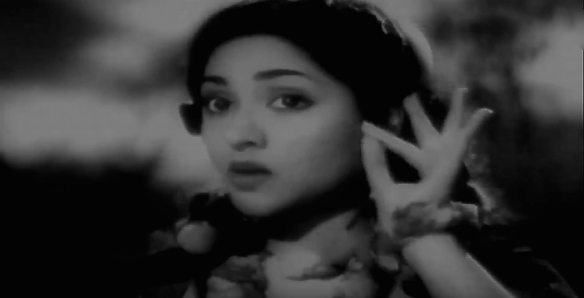
Vijyantimala in Jadugar Saiyan from Nagin 1954

Vijyantimala plays the fearless daughter of an adivasi chief in Nagin (1954).

Will Mala and Sanatan ultimately have a happy snake-charmed life together? Even without the plot, the film is well-worth watching for the songs and an introduction to the fascinating way classic Bollywood portrays India’s tribal communities (which is a whole other discussion). For a glimpse of another famous shirtless actor from the 1950s, check out our translation of “Yeh Raat Yeh Chandni” from Jaal (1952)! You can thank me later.

This song translation was requested by fan Pankaj. Keep these great requests coming!

-Mrs. 55
150 Urdu-Hindi Terms of Endearment To Call Your Lover This Valentine’s Day

Happy Valentine’s Day to our dear readers! We hope you a very romantic day with your loved one.

The Indian subcontinent has an amazing variety of terms of endearment for the word ‘lover’.  The origins of these terms arise from a wide diversity of languages within the South Asian diaspora, including Urdu, Hindi, Sanskrit, Punjabi, Farsi, Arabic and Nepali. It is important to note that even though the literal meanings of all the terms may not be the most flattering (e.g. bedardii, chhaliya, daghaabaaz, etc), the manner in which they are used in Bollywood is often romantic and flirtatious.

To our knowledge, the list below is one of the most comprehensive list of Urdu-Hindi terms of endearment compiled on the internet, and we hope you put this list to good use on  Valentine’s Day – and for the rest of the year!

Which of these endearment terms do you like the most? Leave us a note in the comments!

-Mr. ’55

A

aanevaalaa (m.) / aanevaalii (f.): one who arrives || aayegaa aanevaalaaMahal (1949)
aashiq​: lover || ham to tere aashiq hai.n sadiyo.n puraane – Farz (1967)
albelaa (m.) / albelii (f.): charming one || albelaa re ruk jaanaa Raampur Ka Lakshman (1972)
anaaDii: inexperienced one || balmaa anaDii man bhayeBahurani (1962)

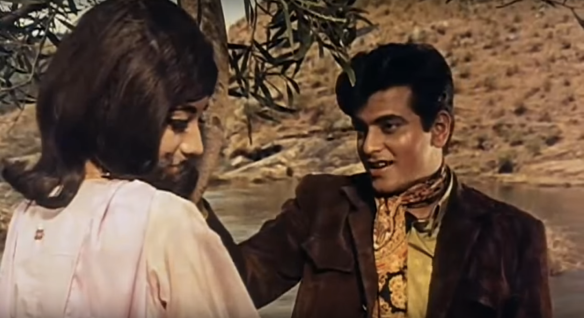
Farz 1967 hum to tere aashiq hain Babita Jeetendra

Babita and Jeetendra in  “Hum To Tere Aashiq Hain” from Farz (1967)

B

baa.nke chhoDaa: handsome one || gore gore o baa.nke chhoDe – Samadhi (1950)
baa.nke yaarhandsome one || thaaDe rahiiyo o baa.nke yaarPakeezah (1972)
baa.nvaraa (m.)/ba.nvarii (f.): crazy one || piyaa baa.nvarii – Khoobsurat (1980)
baabuu: gentleman || koii saharii baabuu dil laharii baabuu – Loafer (1973)
baadshaahemperor || yaar baadshaah yaar dilrubaa – C.I.D. 909 (1967)
baalam: beloved ||  chhoD gaye baalamBarsaat (1949)
baalamavaa:  beloved ||  jaa jaa re jaa baalamavaaBasant Bahar (1956)
baaziigar: 
gambler || baaziigar o baaziigarBaazigar (1993)
babuaagentleman ||  o babuaa yah mahuaa – Sadma (1983)
bahaar-e-husn: spring of beauty || sun ai bahaar-e-husnNight in London (1967)
bairaagii: detached, recluse one || o mere bairaagii bhanvaraa –  Ishq Par Zor Nahin (1970)
bairii: vengeful one || bairii piyaa Devdas (2002)
balmaa: beloved ||  baiyaa.n na dharo, o balmaa – Dastak (1970)
baliye beloved || nii baliye rut hai bahaar kii – Kanhaiya (1959)
bannaa (m.)/banno (f.): groom/bride || mere banne kii baat na puuchho Gharana (1961)
bedardii: callous one || bedardii baalmaa tujh ko meraa man – Arzoo (1965)
beimaan: unfaithful one || mose chhal kiye jaaye saiyaa.n beimaanGuide (1965)
bekhabarignorant one || beqadar bekhabar bevafaa baalmaa – Ram Lakhan (1989)
beliyaabeloved || kitnaa pyaaraa vadaa…o beliyaa Caravan (1971)
beqadar: cruel one || o beqadar bedardii Desh Premee (1982)
bevafaa: unfaithful one || ek bevafaa se pyaar kiyaa – Awaara (1951)
bhanvaraa: bumblebee || bhanvaraa baDaa naadaan hai Sahib Bibi Aur Ghulam (1962)
bholaa (m.) / bholii (f.): innocent, gullible one || o mere bhole baalam – Padosan (1963)
bulbulnightingale || merii bulbul yuu.n na ho gul Biwi O Biwi (1980)

Pakeezah Thade Rahiyo 1972 Meena Kumari

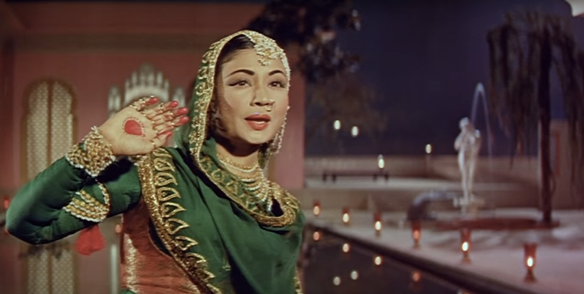
Meena Kumari in  “Thade Rahiyo” from Pakeezah (1972)

C

chaa.nd/chaa.ndnii: the Moon/moonlight || chaudvii.n kaa chaa.nd hoChaudvin Ka Chand (1960)
chaa.nd kaa tukDaa: piece of the Moon || mere saamnevaali khiDkii me.n ek chaa.nd kaa tukDaa rehtaa hai – Padosan (1963)
chandramukhii: Moon-faced || o mrignayanii chandramukhiiRang Birangi (1982)
chhail chhabiilaa (m.): handsome beau || o meraa baabuu chhail chhabiilaaMan Ki Jeet (1972)
chhaliyaa: cheater || zaraa saamne to aao chhaliye – Janam Janam Ke Phere (1957)
chhammak chhallo (f.): stunning beauty || o merii chhammak chhallo – Pyaasa Sawan (1981)
chitchor: heart-stealer || baa.ndh priitii phuul Dor man leke chitchor – Malti Madhav (1951)

screen-shot-2013-07-17-at-1-10-26-am

Guru Dutt and Waheeda Rahman in the title track from Chaudvin Ka Chand (1960)

D

daghaabaaz: deceitful one || bedardii daghaabaaz jaa – Bluff Master (1953)
dhokebaaz: 
deceitful one || saiyaa.n jhuuTho.n ka baDaa sartaj…baDaa dhokebaaz niklaaDo Aankhen Barah Haath (1957)
Dholnaa: beloved ||  ere bin nahii.n jiinaa mar jaanaa DholnaaKachche Dhaage (1999)
diivaanaa (m.)/diivaanii (f.):  crazy/passionate one || ai kaash kisii diivaane ko ham se bhii muhabbat – Aaye Din Bahar Ke (1966)
dilbar: heart-ravisher ||  dilbar mere kab tak mujhe – Satte Pe Satta (1982)
dildaarheart-ravisher || chalo dildaar chalo chaa.nd ke paar chalo – Pakeezah (1972)
dilnashii.n: one who resides in the heart || aap-saa koii hasii.n dilrubaa o dilnashii.n – Chandi Sona (1977)
dilrubaa: heart-stealer || ai dilrubaa – Rustom Sohrab (1963)
dil toDnevaalaa (m.)/dil toDnevaalii (f.): heart-breaker || dil toDnevaale tujhe dil – Son of India (1962)
dil kaa sahaaraamy heart’s solace || dil toDnevaale tujhe dil — Son of India (1962)
dulhaa (m.)/dulhan (f.): groom/bride || chalii meri dulhan kii Dolii – Darpan (1970)
dulhaniyaa: bride || le jaaye.nge le jaye.nge dilvaale dulhaniyaa – Chor Machaye Shor (1974)

amitabh-bacchan-hema-malini-satte-pe-satta-dilbar-mere-19821.

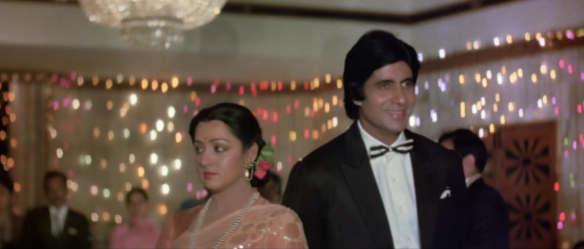
Amitabh Bacchan and Hema Malini in “Dilbar Mere” from Satte Pe Satta (1982)

G

goraa (m.)/ gorii (f.): fair one || gorii teraa gaa.nv baDaa pyaaraa – Chitchor (1974)
goriyaa: fair one || goriyaa kahaa.n teraa desh re? – Caravan (1974)
gulbadanrose-bodied one || ai gulbadan phuulo.n kii mahekProfessor (1962)

Screen Shot 2016-02-11 at 12.49.49 AM.png

Amol Palekar and Zarina Wahab in “Gori Tera Gaon Bada Pyara” from Chitchor (1974)

H

hamdam: companion (who shares breaths) || koii hamdam na rahaaJhumroo (1960)
hamdard: companion (who shares pain) || manzile.n apnii jagah hai.n – Sharabi (1980)
hamjolii: companion (who shares age) || aaj na chhoDenge bas hamjolii – Kati Patang (1970)
hamnafas: companion (who shares breaths) || koii hamnafas nahii.n – Non-Film
hamnashii.n: companion (who shares a seat) || aa zara mere hamnashii.n – Poonam (1981)
hamnavaah: companion (who shares a voice) || mere hamnafas mere hamnavaah – Non-Film
hamqadam:  companion (who shares footsteps) || aa mere hamqadamHumkadam (1980)
hamraahii:  companion (who shares a path) || chheD mere hamrahii koii giit aisaa – Mastana (1970)
hamraaz:  companion (who shares secrets) || o mere hamraaz, kaisaa hai yah raaz? –Ghungroo (1981)
hamsafar:  companion (who shares a journey) || tum jo hue mere hamsafar –  12 O’Clock (1958)
harjaayii:  unfaithful one || jaa re jaa o harjaayii Kalicharan (1976)
hasiinaa: beautiful lady || o hasiinaa zulfo.nvaalii jaan-e-jahaa.nTeesri Manzil (1966)
hiiriye: diamond-like one || o merii soniye, o merii hiiriye – Insaaniyat Ke Dushman (1987)
hoshiyaarclever one || ek chatuur naar baDii hoshiyaar Padosan (1968)
husnvaalaa (m.) / husnvaalii (f.):  beautiful one || husnvaale teraa javaab nahii.n – Gharana (1961)
huur: fairy || yuu.n to ham ne laakh hasii.n dekhe hai.nTumsa Nahin Dekha (1957)
huzuur: 
master || aao huzuur tum ko – Kismat (1968)

Screen Shot 2016-02-11 at 1.05.20 AM.png

Rajesh Khanna and Asha Parekh in “Aaj Na Chhodenge Bas Humjoli” from Kati Patang (1970)

J

jaaduugar:  wizard, magician || jaaduugar saiyaa.n, chhoD morii baiyaa.n – Nagin (1954)
jaa.n:  soul, life, love || merii jaa.n, mujhe jaan na kahoAnubhav (1971)
jaan-e-adaa: soul of charm || jo vaadaa kiyaa vah nibhaanaa paDegaaTaj Mahal (1963)
jaan-e-bahaar:  life of Spring || jaan-e-bahaar, husn teraa bemisaal hai  – Pyar Kiya To Darna Kya (1963)
jaan-e-chaman:  life of the flower garden || jaan-e-chaman sholaa badan – Gumnaam (1965)
jaan-e-ghazal: soul of poetry || mere mahbuub tujhe merii muhabbat kii qasam –Mere Mehboob (1963)
jaan-e-hayaa:  soul of modesty || jo vaadaa kiyaa vah nibhaanaa paDegaa – Taj Mahal (1963)
jaan-e-jaa.n:  love of my life || aa jaan-e-jaa.n – Inteqaam (1969)
jaan-e-jaanaa: love of my life || jaan-e-jaanaa yuu.n na dekho mujhe aaj nafrat se – Faulad (1963)
jaan-e-jahaa.n: love of my world || dasht-e-tanhaayii me.n ai jaan-e-jahaa.n – Non-Film
jaan-e-janaana: love of my life || o mere shaah-e-khubaa.n, o merii jaan-e-janaana Love in Tokyo (1966)
jaan-e-jigar:  love of my heart || are jaan-e-jigar duniyaa me.n – Pukar (1983)
jaan-e-man: love of my heart || jaan-e-man ek nazar dekh le – Mere Mehboob (1963)
jaan-e-tamanna: love of my desires || dil me.n ek jaan-e-tamanna ne jagaah paayii hai -Benazir (1964)
jaan-e-vafaa:  soul of faithfulness || ghairo.n pe karam apno.n pe sitam, ai jaan-e-vafaa – Aankhen (1968)
jaan-e-zindagaanii: love of my life || mujhe ishq hai tujh hi se, merii jaan-e-zindagaanii – Ummeed (1962)
jaanam: darling || jaanam samjhaa karo – Non-Film
jaanevaalaa (m.) / jaanevaalii (f.):  one who leaves || ruk jaa o jaanevaalii – Kanhaiya (1959)
jaanii:  darling || jaanii o jaanii Raja Jani (1972)
jaanuu:  darling || jaanuu merii jaan, mai.n tere qurbaan – Shaan (1980)
janaab:  your honor/excellency || maanaa janaab ne pukaaraa nahii.n – Paying Guest (1957)
janaab-e-aalii: your honor/excellency || nain tumhaare mazedaar o janaab-e-aalii – Professor (1962)
jhuuThaa (m.) / jhuuThii (f.)
: liar || manmohanaa baDe jhuuThe Seema (1955)
jiivan saathii: life partner || mere jiivan saathii – Ek Duje Ke LIye (1981)
jogii:  yogi/devotee (often refers to Lord Krishna) || jogii jab se tu aayaa mere dvaare – Bandini (1963)
jogiyaa:  yogi/devotee (often refers to Lord Krishna) || jogiyaa se priit kiye dukh hoye – Garam Coat (1955)

Screen Shot 2016-02-11 at 1.14.00 AM


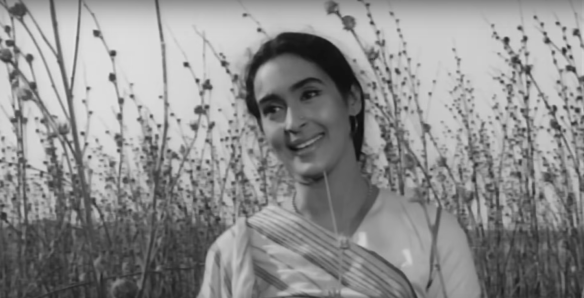
Nutan in “Jogi Jab Se Tu Aaya Hai from Bandini (1963)

K

kaanchaa (m.)/kaanchii (f.): young boy/girl (Nepali origin) || kaanchii re kaanchi re – Hare Rama Hare Krishna (1972)
kamsin
: delicate one || tum kamsin ho nadaan ho Aayi Milan Ki Bela (1966)
khilaaDii: player ||  manmohanaa baDe jhuuThe Seema (1955)
khvaab kii taabiir: interpretation of my dreams || mere mahbuub tujhe merii muhabbat kii qasam –Mere Mehboob (1963)

Screen Shot 2016-02-11 at 1.31.59 AM.png

Sadhana in the title track from Mere Mehboob (1963)

M

maahii:  beloved || maahii o maahii dupaTTa de de meraa de – Meena Bazaar (1950)
maahiyaa: beloved || mahiyaa terii qasam haaye jiina nahii.n jiinaa – Ghayal (1989)
maalik (m.)/malikaa (f.): emperor/empress || ai phuulo.n kii raanii, bahaaro.n kii malikaa – Arzoo (1965)
maashuuq (m.)/maashuqaa (f.): lover || maashuuqaa maashuuqaa – Aaj Ka Arjun (1990)
maharbaa.n:  merciful/gracious one || aaiye maharbaa.n baiThiye jaan-e-jaa.n – Howrah Bridge (1958)
mahbuub (m.)/mahbuubaa (f.):  beloved || mere mahbuub qayamat hogii – Mr. X in Bombay  (1964)
mahjaabii.n: moon-faced beauty || sun ai mahjabii.n Dooj Ka Chand (1964)
makhnaa: beloved || mere pyaar kaa ras zaraa chaknaa, oye makhnaa Bade Miyan Chhote Miyan (1988)
man-basiyaa:
one who resides in the heart ||  aajaa rasiyaa more man-basiyaa Pilot Officer (1961)
manbhaavan
: one who pleases the mind || manbhaavan ke ghar jaaye gorii Chori Chori (1956)
manmohanaa: enchanter of the heart (often refers to Lord Krishna) || manmohanaa baDe jhuuThe – Seema (1955)
mastaanaa/mastaanii: intoxicating one || diivaanii mastaaniiBajirao Mastani (2016)
matvaalaa (m.)/matvaalii (f.): intoxicated one ||  koii matvaalaa aayaa mere dvaare – Love in Tokyo (1966)
miit: beloved || aa lauT ke aa jaa mere miit Rani Roopmati (1957)
mitvaa:  beloved || mere mitvaa mere miit re – Geet (1970)
mrignayanii: doe-eyed || o mrignayanii chandramukhiiRang Birangi (1982)
musaafirtraveler || path bhuulaa ek aayaa musaafir Door Gagan Ki Chaaon Mein (1964)

Screen Shot 2016-02-10 at 1.24.42 AM.png

Madhubala in “Aaiye Meherbaan” from Howrah Bridge (1958)

N

naadaa.n: innocent, naive one || balmaa baDaa naadaan re – Albela (1951)
naaznii.n: 
worthy of pride || naaznii.n baDaa rangii.n hai / hamdam mere – Phir Wohi Dil Laya Hoon (1963)
naazuk: delicate one || kahii.n ek maasuum naazuk-sii laDkiiShankar Hussain (1977)
nargis-e-mastaanaa: one with intoxicating eyes || ai nargis-e-mastaanaa 
 Arzoo (1965)
natkhat: naughty one || jaa re haT naTkhaT ghunghaT ke paT – Navrang (1959)
naujavaa.n: youthful one || ai naujavaa.n hai sab kuchh yahaa.n Apradh (1972)
nuurii: my light || aa jaa re aa jaa o mere dilbar…nuurii nuuriiNoorie (1979)

Screen Shot 2016-02-10 at 1.28.42 AM.png

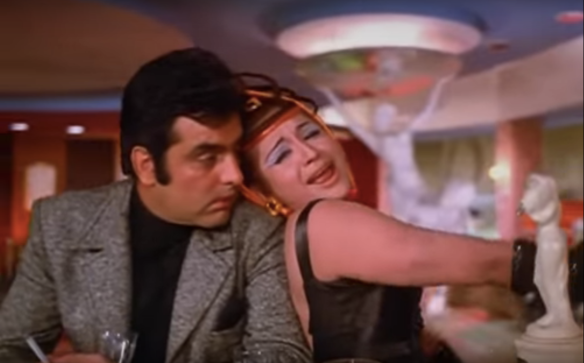
Helen and Feroz Khan in “Aye Naujawan Sab Kuch Yahan” from Apradh (1972)

P

pardaanashii.n: veiled one || sharmaake ye kyo.n sab pardaanashii.n  Chaudvin Ka Chand (1960) 
pardesii:
foreign lover || ghar aayaa meraa pardesii – Awaara (1952)
​pardesiyaa: foreign lover || pardesiyaa yah sach hai piyaa – Mr. Natwarlal (1979)
parii: fairy || yuu.n to ham ne laakh hasii.n dekhe hai.nTumsa Nahin Dekha (1957)
patthar kaa sanam: stone-hearted lover || patthar ke sanam tujhe ham ne – Patthar Ke Sanam (1967) 
piharavaa: 
beloved || ab aage terii marzii – Devdas (1955)
pii: beloved || pii bin suunaa re Hamdard (1953)
piyaa: beloved || piyaa tose naina laage re  Guide (1965)
priye (m.)/priyaa (f.): beloved || kaun hai jo sapno.n me.n aayaa…o priyaa! – Jhuk Gaya Aasman (1967)
priitam: beloved || priitam daras dikhaao – Chacha Zindabad (1959)
pyaar: love || o mere pyaar aa jaa – Bhoot Bangla (1965)

WaheedaRahman3_Guide

Waheeda Rahman in “Piya Tose Naina Lage Re” from Guide (1965)

Q

qaatildangerous one || jaadugar qaatil – Kohinoor (1960)

R

raajaa (m.)/raanii (f.):  king/queen || raajaa kii aayegii baaraat – Aah (1949)
raajkumaar (m.)/raajkumaarii (f.): prince/princess || aa jaa aayii bahaar…o mere raajkumaar – Rajkumar (1964)
raanjhanaa: beloved || aa mere raanjhanaa – Heer (1956)
raazdaar: secret-bearer || itnaa hai tum se pyaar mujhe mere raazdaar – Suraj (1963)
rangiilaa (m.)/rangiilii (f.): colorful one || tuu ne o rangiile kaisaa jaduu kiyaaKudrat (1981)
rang rasiyaa: one who romances with colors || o rang rasiyaa re – Paap Aur Punya (1974)
rasik (m.)/rasikaa (f.): passionate one || rasik balmaa – Chori Chori (1956)
rasiyaa: beloved || chalaa bhii aa aa jaa rasiyaa – Man Ki Aankhen (1970)

Screen Shot 2016-02-11 at 1.39.01 AM.png


Nargis in “Rasik Balma” from Chori Chori (1956)

S

saa.nvalaa (m.)/saa.nvalii (f.): dark one (often refers to Lord Krishna) || jaa re saa.nvale salone natkhat baanvaarii – Payal (1957)
saa.nvaraa (m.)/saa.nvarii (f.): dark one (often refers to Lord Krishna) || saa.nvare saa.nvareAnuradha (1960)
saa.nvariyaa: dark one (often refers to Lord Krishna) || mohe bhuul gaye saa.nvariyaaBaiju Bawra (1952)
saajan: beloved || mere saajan hai.n us paar – Bandini (1963)
saaqii-e-maikhaanaa: wine-bearer of the tavern || ai nargis-e-mastaanaa – Arzoo (1965)
saaqiyaa: wine-bearer || saaqiyaa aaj mujhe nii.nd nahii.n aaye – Sahib Bibi Aur Ghulam (1962)
saathii: companion || saathii re Muqaddar Ka Sikandar (1978)
saathiyaa: companion || saathiyaa nahii.n jaanaa – Aaya Sawan Jhoom Ke (1969)
sahibaa: gentleman || sun sahibaa sun – Ram Teri Ganga Maili (1985)
saiyaa.n: beloved || saiyaa.n dil me.n aanaa re – Bahar (1951)
sajanavaa: beloved || sajanavaa bairii ho gaye hamaar Teesri Kasam (1966=)
sajaniyaa: beloved ||  are chhoD de sajaniyaa Nagin (1954)
sajnaa (m.)/sajnii (f.):  beloved || sajnaa barkhaa bahaar aayii – Parakh (1960)
salonaa (m.)/salonii (f.): dark one (often refers to Lord Krishna) ||  o more saa.nvare salone piyaa – Kanhaiya (1959)
sanam: beloved || o mere sanam – Sangam (1964)
sangdil: merciless one || baDe bevafaa hai.n ye husnvaale – Roop Tera Mastana (1972)
sarkaar: overlord || badle badle mere sarkaar aate hai.n – Chaudvin Ka Chand (1960)
shaah-e-khubaa.n: empress of beauty || o mere shaah-e-khubaa.n – Love in Tokyo (1966)
shahazaadaa (m.)/shahazaadii (f.): prince/princess || vaadii-e-ishq se aaya hai meraa shahazaadaa – Non-Film
sharaabii: intoxicated one || mai.n huu.n saaqii, tuu hai sharaabii || Ram Aur Shyam (1967)
sharmiilaa (m.)/sharmiillii (f.): shy one || o merii sharmilii – Sharmilee (1972)
sonaa (m.)/sonii (f.): golden one || o mere sonaa re – Teesri Manzil (1966)
soniyaa (f.)/soniye (m.): handsome/beautiful one || ni soniye – The Train (1970)

Screen Shot 2016-02-11 at 1.44.52 AM.png

Joy Mukherjee and Asha Parekh in “O Mere Shah-E-Khuban” from Love in Tokyo  (1966)

Y

yaar: friend/lover ||  nii mai.n yaar manaanaa niiDaag (1973)
yaaraa: friend/lover ||  yaara silii silli – Lekin (1991)

Z

zaalim: cruel one ||  zaalim terii aa.nkho.n ne – Devta (1956)
zaalimaa: cruel one || sun sun sun zaalimaaAar Paar (1954)
zohraa-jabii.n: one with a forehead shining like Venus || ai merii zohraa-jabii.n Waqt (1969) 
zulmii: cruel one || zulmii sang aa.nkh laDii – Madhumati (1958)

Screen Shot 2016-02-11 at 1.48.21 AM.png

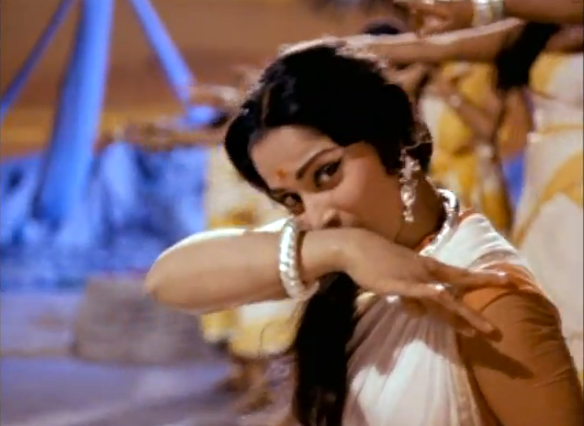
Vyjayanthimala in “Zulmi Sang Aankh Ladi” from Madhumati (1958)


The Top 30 Best Music Albums of Classic Bollywood

The greatest music albums from classic Bollywood have been chosen. Which songs made the list of Hindi films’s top 30?

Raj Kapoor Nargis Iconic BarsaatIntroduction

Welcome to the greatest music of classic Bollywood! We at Mr. and Mrs. 55 – Classic Bollywood Revisited! have compiled our ultimate list of the top 30 best classic Bollywood film soundtracks of all-time. Music is the very soul of classic Bollywood, a legacy of beauty and style that once lit the world. These soundtracks showcase the most talented artists of Bollywood and are as diverse and transformative as the films to which they lent their magic. Long after the cinema lights fade, this music remains in the air, haunting us with desire, sustaining us through tragedy, and enchanting our daily experiences in the world.
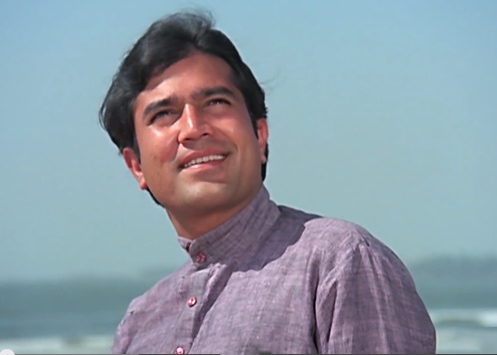
Soundtracks of all Hindi films released between the years of 1945 to 1985 were considered and ranked based on the merit of lyrics, musical composition and complexity, historical and cultural value, vocal performance, and accomplishments of the soundtrack elements as an ensemble. Topping our list are composers Sachin Dev Burman, Rahul Dev Burman, Naushad, and the duo Shankarsingh Raghuwanshi and Jaikishan Dayabhai Panchal (often credited as Shankar-Jaikishen) whose works both defined and reinvented Bollywood. Like our enormously popular list of the Top 30 Greatest Classic Bollywood Films of All Time, these soundtracks embrace the unexpected.

The advent of music in Bollywood binds the stormy history of a shackled India emerging from depression and war with the golden age of Hollywood musical film. Many believe that films with de rigeur musical numbers is a unique hallmark of Hindi cinema. However, the early “talkie” pictures of India such as Alam Ara (1931) were heavily influenced by the popular western films like The Jazz Singer (1927) and Showboat (1929) in which the new sound technology instantly propelled musical film as the most profitable genre. Hollywood directors like Busby Berkeley whose signature spectacle was the mass ornament and nimble-footed singer-dancers like Fred Astaire and Ginger Rogers helped contribute to the hundreds and hundreds of musical films cherished by the western world during the 1930s-1950s. The then universal convention of five to seven musical numbers peppering a film was easily embraced and adapted by Hindi movie directors who introduced Hindustani musical traditions to their work. Playback singers such as Lata Mangeshkar, Mohammed Rafi, Kishore Kumar, and Asha Bhonsle were as celebrated as the actors for whom they lent their voices. Often before a film was released, a Bollywood movie’s soundtrack was played repeatedly on the radio, reaching the hearts of millions across the country who may not have afforded the luxury to see the actual film in theatres.

While Hollywood eventually diverged from the musical film genre by the late 1960s, India was awakening to its own golden era of film in which music dominated the sensory milieu. Perhaps it was the escapism of music with its perfect harmonies and piercing poetry that touched the newly freed country still finding its identity. From solemn hymns of the countryside to feverish cabarets of city nightlife, from extravagant orchestras to solitary sitar solos, and from singers whose voices seem to descend from heaven, these soundtracks unleashed new eras of possibility and romance. The music of classic Bollywood will change you forever. For a few fleeting minutes, the ideals you dreamed of are made real.

Take this journey with us through the best music albums of yesteryear Hindi cinema. This music the way is was meant to be. This is classic Bollywood.

The Top 30 Best Classic Bollywood Soundtracks of All Time:

1. Pakeezah

Pakeezah Meena Kumari Chalte Chalte

Ghulam Mohammed and Naushad, 1971

2. Guide

Guide

S.D. Burman, 1965

3. Mughal-e-Azam

Mughal-e-Azam

Naushad, 1960

4. Nagin

Nagin

Hemant Kumar, 1954

5. Aradhana

Aradhana

S.D. Burman, 1969

6. Teesri Manzil

Teesri Manzil

R.D. Burman, 1966

7. Barsaat

Barsaat

Shankarsingh Raghuwanshi and Jaikishan Dayabhai Panchal, 1949

  • Hawa Mein Udta Jaye – Lata Mangeshkar
  • Chhod Gaye Balam – Lata Mangeshkar and Mukesh
  • Jiya Beqarar Hai – Lata Mangeshkar
  • Mujhe Kisise Pyar – Lata Mangeshkar
  • Patli Kamar Hai – Lata Mangeshkar and Mukesh

8. Anarkali

Anarkali

C. Ramachandra, 1953

  • Yeh Zindagi Usiki Hai – Lata Mangeshkar
  • O Zindagi Ke Denewale – Hemant Kumar
  • O Aasmanwale – Lata Mangeshkar
  • Jaag Dard-e-Ishq – Lata Mangeshkar and Hemant Kumar
  • Mohabbat Aisi Dhadhkan Hai – Lata Mangeshkar
  • Mujhse Mat Pooch – Lata Mangeshkar
  • Aaja Ab To Aaja – Lata Mangeshkar

9. Kati Patang

Kati Patang

R.D. Burman, 1970

  • Jis Gali Mein – Mukesh
  • Yeh Jo Mohabbat Hai – Kishore Kumar
  • Na Koi Umang Hai – Lata Mangeshkar
  • Yeh Shaam Mastani – Kishore Kumar
  • Pyaar Diwanaa Hota Hai – Kishore Kumar
  • Aaj Na Chhodenge – Lata Mangeshkar and Kishore Kumar

10. Chori Chori

Chori Chori

Shankarsingh Raghuwanshi and Jaikishan Dayabhai Panchal, 1956

  • Panchi Banoon Udti – Lata Mangeshkar
  • Aaja Sanam – Lata Mangeshkar and Manna Dey
  • Jahan Main Jaati Hoon – Lata Mangeshkar and Manna Dey
  • Yeh Raat Bheegi Bheegi – Lata Mangeshkar and Manna Dey
  • Rasik Balma – Lata Mangeshkar
  • Man Bhavan Ke Ghar – Lata Mangeshkar and Asha Bhonsle

11. Taj Mahal

Taj Mahal

Roshan, 1963

12. Hum Dono

Hum Dono Abhi Na Jao Dev Anand Sadhana

Jaidev, 1961

13. Jewel Thief

Jewel Thief

S.D. Burman, 1967

14. Caravan

Caravan

R.D. Burman, 1971

  • Piya Tu Ab To – Asha Bhonsle
  • Chadti Jawani – Lata Mangeshkar and Mohammed Rafi
  • Kitna Pyara Wada – Lata Mangeshkar and Mohammed Rafi
  • Goriya Kahan – Asha Bhonsle and Mohammed Rafi
  • Ab Jo Mile Hai – Asha Bhonsle

15. Bobby

Bobby Main Shayar To Nahin

Laxmikant Shantaram Kudalkar and Pyarelal Ramprasad Sharma, 1973

  • Main Shayar To Nahin – Shailendra Singh
  • Bahar Se Koi Andhar – Lata Mangeshkar and Shailendra Singh
  • Jhoot Bole Kauwa Kate – Lata Mangeshkar and Shailendra Singh
  • Mujhe Kuch Kehna Hai – Lata Mangeshkar and Shailendra Singh
  • Na Mangoon Sona Chandi – Manna Dey and Shailendra Singh

16. Pyaasa

Pyaasa

S.D. Burman, 1957

  • Jaane Woh Kaise – Hemant Kumar
  • Aaj Sajan Mohe – Geeta Dutt
  • Hum Aap Ki Ankhon Mein – Geeta Dutt and Mohammed Rafi
  • Jane Kya Tune Kahi – Asha Bhonsle
  • Yeh Duniya Agar Mil Bhi Jaaye – Mohammed Rafi

17. Abhiman

Abhiman

S.D. Burman, 1973

18. Anand

Anand

Salil Choudhury, 1971

19. Kabhi Kabhi

Kabhi Kabhi

Mohammed Zayur Khayyam, 1976

20. Baiju Bawra

Baiju bawra

Naushad, 1952

  • O Duniya Ke Rakhwale – Mohammed Rafi
  • Man Tarpat Hari Dar – Mohammed Rafi
  • Mohe Bhool Gaye Sanwariya – Lata Mangeshkar
  • Jhoole Mein Pawan Ke – Lata Mangeshkar and Mohammed Rafi
  • Tu Ganga Ki Mauj – Lata Mangeshkar and Mohammed Rafi

21. Mother India

Mother India

Naushad, 1957

22. Madhumati

Madhumati

Salil Choudhury, 1958

  • Aaja Re Pardesi – Lata Mangeshkar
  • Dil Tadap Tadap – Lata Mangeshkar and Mukesh
  • Suhana Safar – Mukesh
  • Ghadi Ghadi Mora Dil – Lata Mangeshkar
  • Chadh Gayo Papi Bichua – Lata Mangeshkar and Manna Dey

23. Basant Bahar

Basant Bahar

Shankarsingh Raghuwanshi and Jaikishan Dayabhai Panchal, 1956

  • Duniya Na Bhaye Mohammed Rafi
  • Bhaye Bhanjana – Manna Dey
  • Ja Ja Re Ja – Lata Mangeshkar
  • Main Piya Teri – Lata Mangeshkar
  • Nain Mile Chain Kahan – Lata Mangeshkar and Manna Dey

24. Aar Paar

Aar Paar

O.P. Nayyar, 1954

  • Babuji Dheere Chalna – Geeta Dutt
  • Sun Sun Sun Zalima – Geeta Dutt and Mohammed Rafi
  • Kabhi Aar Kabhi Par – Shamshad Begum
  • Yeh Lo Main Haari Piya – Geeta Dutt
  • Hoon Abhi Main Jawan – Geeta Dutt

25. Kashmir Ki Kali

Kashmir Ki Kali

O.P. Nayyar, 1964

26. Bandini

Bandini

S.D. Burman, 1963

  • Ab Ke Baras Bhej – Asha Bhonsle
  • O Re Mahji – S.D. Burman
  • Mora Gora Ang Laile – Lata Mangeshkar
  • Jogi Jab Se Tu Aaya – Lata Mangeshkar
  • O Janewale Ho Sake – Mukesh

27. Sangam

Sangam

Shankarsingh Raghuwanshi and Jaikishan Dayabhai Panchal, 1964

28. Yaadon Ki Baraat

Yaadon Ki Baraat

R.D. Burman, 1973

  • Chura Liya Hai – Asha Bhonsle and Mohammed Rafi
  • Aapke Kamre Mein – Asha Bhonsle and Kishore Kumar
  • Lekar Hum Deewana Dil – Asha Bhonsle and Kishore Kumar
  • Meri Soni Meri Tamana – Asha Bhonsle and Kishore Kumar
  • Yaadon Ki Baraat – Mohammed Rafi and Kishore Kumar

29. Amar Prem

Rajesh Khanna Amar Prem

R.D. Burman, 1972

  • Chingari Koi Bhadke – Kishore Kumar
  • Raina Beeti Jaaye – Lata Mangeshkar
  • Kuch To Log Kahenge – Kishore Kumar
  • Yeh Kya Hua – Kishore Kumar
  • Bada Natkhat Hai Yeh – Lata Mangeshkar

30. Umrao Jaan

Rekha2_UmraoJaan

Mohammed Zayur Khayyam, 1981

Find out more about these and other classic Bollywood soundtracks on our song pages! Which soundtracks do you consider among classic Bollywood’s all-time best and why? Leave us a comment and let us know!

– Mrs. 55
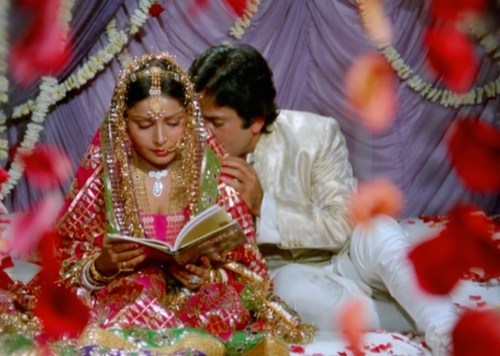
50 Best Film Shots That Will Make You Believe in the Magic of Bollywood

We’ve compiled a montage of the best film shots from classic Bollywood movies that we feel exemplify the splendor, allure, and excitement of Hindi movies from the Golden Age. Consider these 50 beautiful film shots a glimpse through a keyhole into a much grander world of cinematographic sublimity: watch the video below to behold the magic of classic Bollywood.

This project was kindled in part by my reaction to everyone who’s ever told me, “I love Bollywood!” I get that a lot. Being a film production major who’s worked in the Hindi movie industry, I hear the phrase, “I love Bollywood!” several times a month—from classmates, friends, and random people at parties. Bollywood has become a trend all over the globe—every hipster worth their organic sea salt is familiar with the term, and many have even seen a Hindi film or two themselves. Except I don’t really ever know what to say in reply. It’s not because loving Bollywood isn’t exactly what I look for in new friends (because believe me, it is), but because I don’t understand what that phrase even means.

Let me put this in perspective. To me, this can be the equivalent of someone in rural Punjab who’s seen the Bourne trilogy saying, “I love Hollywood!”

Think about that. What does it mean to love “Hollywood”? Are you saying you love American filmmaking and its history? Celebrity gossip? Or do you really mean to say, “I love action flicks and Matt Damon?” Because Hollywood is not just big-budget androcentric action flicks (although they are a cool part of a big genre). Ryan Gosling kissing Rachel McAdams in the rain is Hollywood. Orsen Welles fighting a smear campaign for governor is Hollywood. Judy Garland singing over a rainbow is Hollywood. And Jack Nicholas running amok in an insane asylum is Hollywood. It’s rare to find someone who knows and loves it all.

So when you say, “I love Bollywood!” to me, as a true lover of all things Bollywood, I don’t know what you’re really referring to. Often people who haven’t had much exposure tend to generalize that elusive term Bollywood to mean “pretty costumes!” or “crazy dancing!” This perception applies just as much to Indians from India as to non-Indians anywhere else. Because Bollywood is not just the melodramatic musical with half-naked women and a loose masala plot that is often stereotyped. Bollywood is Guru Dutt searching the streets of urban decay for a glimmer of humanity. Bollywood is Meena Kumari dancing kathak upon shattered glass in sorrow. Bollywood is Amitabh Bachhan’s fist meeting the jaws of his twenty adversaries with a satisfying smack. And yes, Bollywood is Aishwarya Rai and Shah Rukh Khan in glittery costumes declaring love in the moonlight. I often yearn to somehow share all the magic of classic Hindi cinema that comes to my mind when I think of Bollywood, because it is a well-hidden treasure for so many of my generation.

Now before someone throws a fit, I get it. Not everyone has the time or interest to become heavily familiarized with Bombay’s film output since the 1930s. Nor should they. All I’m saying is, I wish more people were aware of what Bollywood truly encompasses. When you exclaim, “I love Bollywood!” there is a reason why I can’t bring myself to reply, “OMG, totes!” but instead want to fill your ear with my reverence of the cinematography in Kaagaz Ke Phool (1959). Simply tell me you loved the movie Kuch Kuch Hota Hai (1998) (because, seriously, who didn’t?), or that you thought Deepika Padukone’s outfits were beautiful in that one rom-com. Otherwise, we’ll both end up feeling awkward after I start on my spiel. Yes, I probably overthink this. Yes, most people probably don’t care one way or another. But I can’t imagine living a world without the enchantment of classic Bollywood films, and maybe there are people out there who would want in, if they only knew what they’re missing.

So this montage is the reply I wish I could give everyone, but I cannot articulate–a reply that must be seen to be believed. Because when I respond, “Really? I love Bollywood too!” this is what comes to my mind. This montage is why I love Bollywood. I hope that by watching these shots, you can get a peek into that hypnotizing world yourself, and that you’ll crave more. I hope that this might be a chance to understand that Bollywood is far richer, far more complex, and far more evocative than can be summed up by mere words or by viewing a single film.

Therefore, don’t just take my word for it. Watch the 50 Film Shots That Will Make You Believe in the Magic of Classic Bollywood, and I’ll bet that somewhere deep inside your heart, something faintly stirs in a way you never knew possible. And afterwards, I recommend starting with any of the movies that made our list of the Top 30 Greatest Classic Bollywood Films of All Time. I’ll get off my soap box now. Back to translating obscure old songs where I belong. But send us a comment if this montage resonates with you, and share it with anyone who may have never experienced the wonder of the films to which it pays homage.

Just don’t even get me started on Slumdog Millionaire.

– Mrs. 55
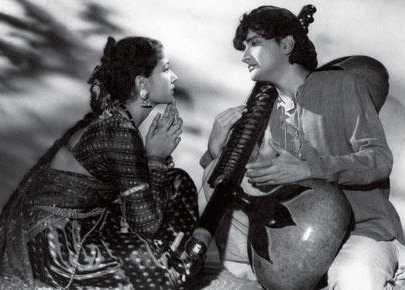
Final Shot from Mother India Nargis

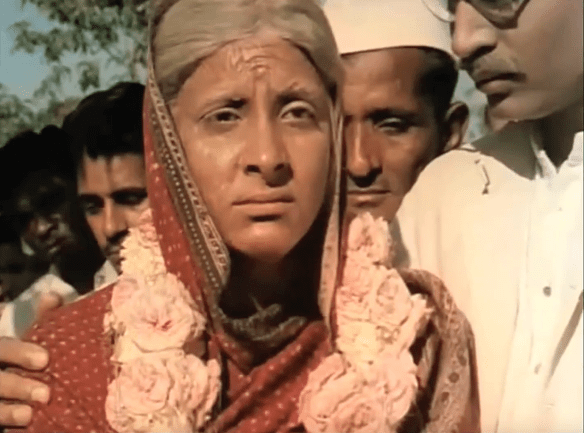
An aged Nargis remembers the trials of her youth in the final shot of the Academy Award-nominated film Mother India (1957).

As a reference, the corresponding films to our 50 selected shots are below. The music playing during the montage is the “Title Music” from Pakeezah (1972).

50 Shots’ Film Names (in order of appearance):

  1. Bandini (1963)
  2. Kaagaz Ke Phool (1959)
  3. Pakeezah (1972)
  4. Aradhana (1969)
  5. Bombai Ka Babu (1960)
  6. Kohra (1964)
  7. Mother India (1957)
  8. Guide (1965)
  9. Shree 420 (1955)
  10. Sangam (1964)
  11. Mughal-e-Azam (1960)
  12. Chinatown (1962)
  13. Caravan (1971)
  14. Shree 420 (1955)
  15. Shree 420 (1955)
  16. Sholay (1975)
  17. Kaagaz Ke Phool (1959)
  18. Pakeezah (1972)
  19. Pakeezah (1972)
  20. Pyaasa (1957)
  21. Bombai Ka Babu (1960)
  22. Umrao Jaan (1981)
  23. Woh Kaun Thi? (1964)
  24. Mehboob Ki Mehndi (1971)
  25. Jab Jab Phool Khile (1965)
  26. Aradhana (1969)
  27. Khamoshi (1970)
  28. Mughal-e-Azam (1960)
  29. Mughal-e-Azam (1960)
  30. Woh Kaun Thi? (1964)
  31. Mother India (1957)
  32. Kaagaz Ke Phool (1959)
  33. Guide (1965)
  34. Andaz (1949)
  35. Mughal-e-Azam (1960)
  36. Aradhana (1969)
  37. Pakeezah (1972)
  38. Jewel Thief (1967)
  39. Aan Milo Sajna (1970)
  40. Anand (1971)
  41. Kaagaz Ke Phool (1959)
  42. Awaara (1951)
  43. Amar, Akbar, Anthony (1977)
  44. Do Raaste (1969)
  45. Kaagaz Ke Phool (1959)
  46. Awaara (1951)
  47. Sholay (1975)
  48. Baazi (1951)
  49. Woh Kaun Thi? (1964)
  50. Mother India (1957)

50 Best Film Shots That Will Make You Believe in the Magic of Classic Bollywood


We’ve compiled a montage of the best film shots from classic Bollywood movies that we feel exemplify the splendor, allure, and excitement of Hindi movies from the Golden Age. Consider these 50 beautiful film shots a glimpse through a keyhole into a much grander world of cinematographic sublimity: behold the magic of classic Bollywood.

This project was kindled in part by my reaction to everyone who’s ever told me, “I love Bollywood!” I get that a lot. Being a film production major who’s worked in the Hindi movie industry, I hear the phrase, “I love Bollywood!” several times a month—from classmates, friends, and random people at parties. Bollywood has become a trend all over the globe—every hipster worth their organic sea salt is familiar with the term, and many have even seen a Hindi film or two themselves. Except I don’t really ever know what to say in reply. It’s not because loving Bollywood isn’t exactly what I look for in new friends (because believe me, it is), but because I don’t understand what that phrase even means.

Let me put this in perspective. To me, this can be the equivalent of someone in rural Punjab who’s seen the Bourne trilogy saying, “I love Hollywood!”

Think about that. What does it mean to love “Hollywood”? Are you saying you love American filmmaking and its history? Celebrity gossip? Or do you really mean to say, “I love action flicks and Matt Damon?” Because Hollywood is not just big-budget androcentric action flicks (although they are a cool part of a big genre). Ryan Gosling kissing Rachel McAdams in the rain is Hollywood. Orsen Welles fighting a smear campaign for governor is Hollywood. Judy Garland singing over a rainbow is Hollywood. And Jack Nicholas running amok in an insane asylum is Hollywood. It’s rare to find someone who knows and loves it all.

So when you say, “I love Bollywood!” to me, as a true lover of all things Bollywood, I don’t know what you’re really referring to. Often people who haven’t had much exposure tend to generalize that elusive term Bollywood to mean “pretty costumes!” or “crazy dancing!” This perception applies just as much to Indians from India as to non-Indians anywhere else. Because Bollywood is not just the melodramatic musical with half-naked women and a loose masala plot that is often stereotyped. Bollywood is Guru Dutt searching the streets of urban decay for a glimmer of humanity. Bollywood is Meena Kumari dancing kathak upon shattered glass in sorrow. Bollywood is Amitabh Bachhan’s fist meeting the jaws of his twenty adversaries with a satisfying smack. And yes, Bollywood is Aishwarya Rai and Shah Rukh Khan in glittery costumes declaring love in the moonlight. I often yearn to somehow share all the magic of classic Hindi cinema that comes to my mind when I think of Bollywood, because it is a well-hidden treasure for so many of my generation.

Now before someone throws a fit, I get it. Not everyone has the time or interest to become heavily familiarized with Bombay’s film output since the 1930s. Nor should they. All I’m saying is, I wish more people were aware of what Bollywood truly encompasses. When you exclaim, “I love Bollywood!” there is a reason why I can’t bring myself to reply, “OMG, totes!” but instead want to fill your ear with my reverence of the cinematography in Kaagaz Ke Phool (1959). Simply tell me you loved the movie Kuch Kuch Hota Hai (1998) (because, seriously, who didn’t?), or that you thought Deepika Padukone’s outfits were beautiful in that one rom-com. Otherwise, we’ll both end up feeling awkward after I start on my spiel. Yes, I probably overthink this. Yes, most people probably don’t care one way or another. But I can’t imagine living a world without the enchantment of classic Bollywood films, and maybe there are people out there who would want in, if they only knew what they’re missing.

So this montage is the reply I wish I could give everyone, but I cannot articulate–a reply that must be seen to be believed. Because when I respond, “Really? I love Bollywood too!” this is what comes to my mind. This montage is why I love Bollywood. I hope that by watching these shots, you can get a peek into that hypnotizing world yourself, and that you’ll crave more. I hope that this might be a chance to understand that Bollywood is far richer, far more complex, and far more evocative than can be summed up by mere words or by viewing a single film.

Therefore, don’t just take my word for it. Watch the 50 Film Shots That Will Make You Believe in the Magic of Classic Bollywood, and I’ll bet that somewhere deep inside your heart, something faintly stirs in a way you never knew possible. And afterwards, I recommend starting with any of the movies that made our list of the Top 30 Greatest Classic Bollywood Films of All Time. I’ll get off my soap box now. Back to translating obscure old songs where I belong. But send us a comment if this montage resonates with you, and share it with anyone who may have never experienced the wonder of the films to which it pays homage.

Just don’t even get me started on Slumdog Millionaire.

– Mrs. 55
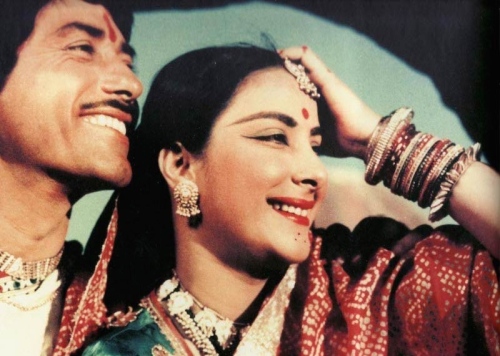
Final Shot from Mother India Nargis

An aged Nargis remembers the trials of her youth in the final shot of the Academy Award-nominated film Mother India (1957).

As a reference, the corresponding films to our 50 selected shots are below. The music playing during the montage is the “Title Music” from Pakeezah (1972).

50 Shots’ Film Names (in order of appearance):

  1. Bandini (1963)
  2. Kaagaz Ke Phool (1959)
  3. Pakeezah (1972)
  4. Aradhana (1969)
  5. Bombai Ka Babu (1960)
  6. Kohra (1964)
  7. Mother India (1957)
  8. Guide (1965)
  9. Shree 420 (1955)
  10. Sangam (1964)
  11. Mughal-e-Azam (1960)
  12. Chinatown (1962)
  13. Caravan (1971)
  14. Shree 420 (1955)
  15. Shree 420 (1955)
  16. Sholay (1975)
  17. Kaagaz Ke Phool (1959)
  18. Pakeezah (1972)
  19. Pakeezah (1972)
  20. Pyaasa (1957)
  21. Bombai Ka Babu (1960)
  22. Umrao Jaan (1981)
  23. Woh Kaun Thi? (1964)
  24. Mehboob Ki Mehndi (1971)
  25. Jab Jab Phool Khile (1965)
  26. Aradhana (1969)
  27. Khamoshi (1970)
  28. Mughal-e-Azam (1960)
  29. Mughal-e-Azam (1960)
  30. Woh Kaun Thi? (1964)
  31. Mother India (1957)
  32. Kaagaz Ke Phool (1959)
  33. Guide (1965)
  34. Andaz (1949)
  35. Mughal-e-Azam (1960)
  36. Aradhana (1969)
  37. Pakeezah (1972)
  38. Jewel Thief (1967)
  39. Aan Milo Sajna (1970)
  40. Anand (1971)
  41. Kaagaz Ke Phool (1959)
  42. Awaara (1951)
  43. Amar, Akbar, Anthony (1977)
  44. Do Raaste (1969)
  45. Kaagaz Ke Phool (1959)
  46. Awaara (1951)
  47. Sholay (1975)
  48. Baazi (1951)
  49. Woh Kaun Thi? (1964)
  50. Mother India (1957)