Hum Tere Pyar Mein Lyrics and Translation: Let’s Learn Urdu-Hindi

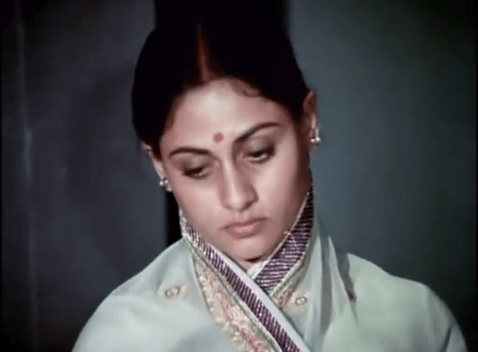
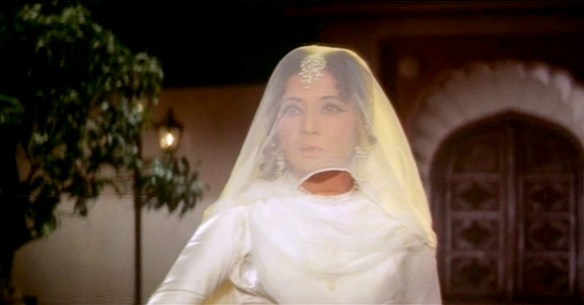
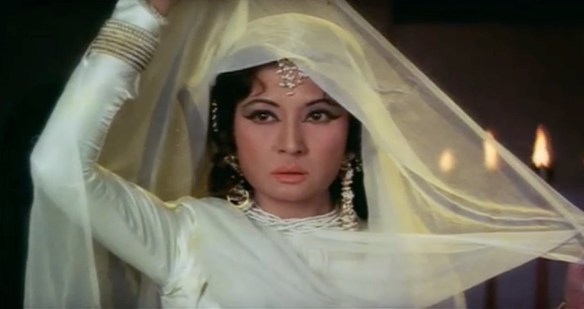
Meena Kumari expresses ultimate devotion to her husband through song in Dil Ek Mandir (1963).

Today, we provide the lyrics and English translation to a memorable song from C.V. Sridhar’s Dil Ek Mandir (1963): ham tere pyaar me.n .  Starring Meena Kumari, Rajendra Kumar, and Raaj Kumar, Dil Ek Mandir is a Hindi remake of the Tamil film Nenjil Ore Alayam (1962). Dil Ek Mandir was a box-office hit at the time of its release, and it even garnered Raaj Kumar a Filmfare Award for his performance in the film.

When oncologist Rajendra Kumar returns from abroad, he is shocked to learn that his former love Meena Kumari has been married off to another man in a cruel twist of fate. Grief-stricken, he devotes the rest of his life to caring for cancer patients at a nursing home. One day, Meena Kumari brings her husband Raaj Kumar to the nursing home because he has fallen critically ill. When she realizes that Rajendra Kumar will be his doctor, she wants to take her husband elsewhere out of fear that Rajendra Kumar will be unable to offer him unbiased medical care.  As Rajendra Kumar prepares to perform a technically demanding operation to save the life of his former lover’s husband, he is faced with an uncomfortable ethical dilemma: should he save Raaj Kumar’s life by performing the surgery to the best of his abilities or should he use this opportunity to rekindle his love with Meena Kumari after Raaj Kumar’s impending death? Watch the movie to find out if he does the right thing!

Placed into the context of this film, “ham tere pyaar me.n” is picturized on Meena Kumari singing to Raaj Kumar in reaction to his suggestion that she should marry Rajendra Kumar after his death. Staunchly adhering to the pativrata norms that defined ideal female behavior at the time, she rejects this proposal as immoral and absurd. In this song, she expresses ultimate devotion to her husband by declaring that she can only understand the true meaning of love through him. While devotion and commitment are certainly admirable, many would argue that the poetry of this song penned by Hasrat Jaipuri errs on the side of misogyny and anti-feminism. When a male poet makes a female protagonist start singing about loving cages instead of people (“yah pyaar kaa pinjraa man bhaayaa“) or about harboring a wish to die at her husband’s feet (“ab in charano.n me.n dam nikle, bas itnii aur tamanna hai“), you can’t help but think that something’s not quite right.

However, two things are definitely right about this song: Lata Mangeshkar’s angelic rendition and Shankar-Jaikishan’s exquisitely crafted melody. Even if the lyrics are too extreme for your liking, the artistic beauty of this song is still preserved in the way Lata’s voice drips with pathos as she navigates through this delicate tune. Meena Kumari’s on-screen portrayal is suitably melodramatic, and I am especially fond of the way in which the beautiful sitar interludes have been highlighted by including the instrument in the song’s picturization.

Finally, as an aside, some of you may remember that Sonu Nigam sang the mukhDaa of this song on the very first episode of SaReGaMa, the televised singing competition that went on to discover many notable talents such as Shreya Ghosal. This song is certainly an interesting choice to open a show with, and the rendition by a male singer casts a new light upon the discussion of this song’s underlying subtext of misogyny. Enjoy, and share your thoughts with us in the comments! Until next time…

-Mr. 55

Raaj Kumar won a Filmfare Award for Best Supporting Actor for his portrayal of a cancer patient in Dil Ek Mandir (1963)

Hum Tere Pyar Mein: Lyrics and Translation

ham tere pyaar me.n saaraa aalam kho baiThe hai.n, kho baiThe
I have lost the entire world by loving you. 
tum kahte ho ki aise pyaar ko bhuul jaao, bhuul jaao
Yet, you tell me to forget this love.

panchhii se chhuDaa kar uskaa ghar tum apne ghar par le aaye
You took a cage from the birds and brought it to your own house.
yah pyaar kaa pinjraa man bhaayaa, ham jii bhar bhar kar muskaaye
This cage of love pleased me, and I smiled to my heart’s content. 
jab pyaar huaa is pinjre se tum kahne lage aazaad raho
When I fell in love with this cage, you told me to remain free. 
ham kaise bhuulaaye pyaar teraa? tum apnii zubaa.n se yah na kaho
But how can I forget this love? Please don’t tell me this in your own words. 
ab tum saa jahaa.n me.n koii nahii.n hai, ham to tumhaare ho baiThe
No one else like you exists in this world, and I will remain yours forever. 
tum kahte ho ki aise pyaar ko bhuul jaao, bhuul jaao
Yet, you tell me to forget this love.

is tere charan kii dhuul se ham ne apnii jiivan maa.ng bharii
From the dust at your feet, I have marked the parting of my hair.
jab hii to suhaagan kahlaayii, duniyaa kii nazar me.n pyaar banii
When I considered myself a married woman, the world witnessed the creation of love.
tum pyaar kii sundar muurat ho aur pyaar hamaari puujaa hai
You are a beautiful idol of love, and love is my form of worship.
ab in charano.n me.n dam nikle bas itnii aur tamannaa hai
Indeed, I harbor one parting desire: I hope to die at your feet.
ham pyaar ke ganga jal se, balam jii, tan-man apna dho baiThe
My beloved, I have cleansed my body and soul with water from the Ganges of love.
tum kahte ho ki aise pyaar ko bhuul jaao, bhuul jaao
Yet, you tell me to forget this love.

sapno.n kaa darpan dekhaa thaa, sapno.n ka darpan toD diyaa
I saw a mirror of dreams, and then I shattered it.
yah pyaar kaa aa.nchal ham ne to daaman se tumhaare baa.ndh liyaa
I tied the end of this sari of love to the tail of your shirt.
yah aisii gaa.nTh hai ulfat kii, jis ko na koii bhii khol sakaa
This knot of romance is tied so tightly that no one can untie it.
tum aan base jab is dil me.n, dil phir to kahii.n na Dol sakaa
Since you began to reside in my heart, it has been unable to frolic elsewhere.
o pyaar ke saagar, ham terii laharo.n me.n naav Dubo baiThe
Oh, the ocean of love! I have drowned a boat in your waves.
tum kahte ho ki aise pyaar ko bhuul jaao, bhuul jaao
Yet, you tell me to forget this love.

ham tere pyaar me.n saaraa aalam kho baiThe hai.n, kho baiThe
I have lost the entire world by loving you.

Glossary

aalaam: world; chhuDaaanaa: to take, remove; pinjraa: cage; man bhaanaa: to please the mind; jii bhar kar:  wholeheartedly;  aazaad: free; zubaa.n: language, words; jahaa.n: world;  maa.ng bharnaa: to apply vermillion to the parting of a woman’s hair (a Hindu ritual signifying wedded status); suhaagaan: a married individual; kahlaanaa: to call oneself; dam nikalna: to lose one’s breath, to die; tamanna: desire; ganga: the Ganges, a sacred Indian river; tan-man: body and soul; darpan: mirror; aanchal: decorative end of a sari; Dolnaa: to frolic, to swing; daaman: tail of a garment; gaa.nTh: knot; ulfat: love; lahar: wave; naav: boat.
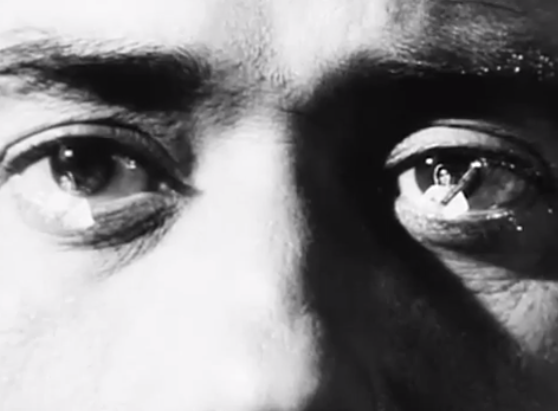
Meena Kumari’s image is reflected upon Raaj Kumar’s pupils in the picturization of this song. How melodramatic!
Tere Mere Milan Ki Lyrics and Translation: Let’s Learn Urdu-Hindi

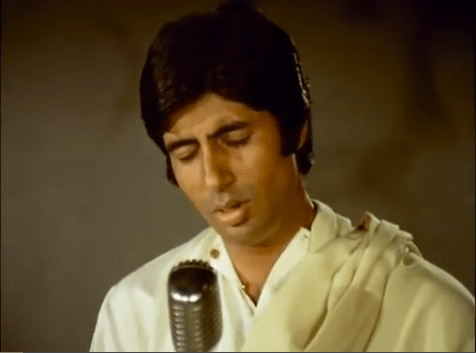
tere mere milan jaya amitabh abhiman

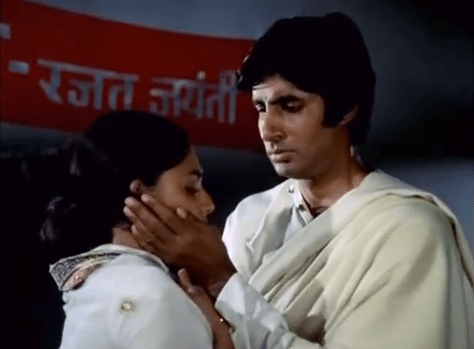
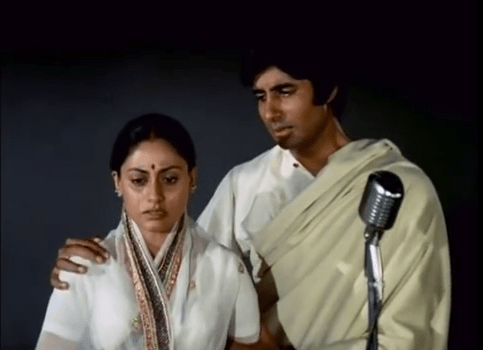
In the famous climax of Abhimaan (1973), Jaya Bhaduri and Amitabh Bachhan reunite on-stage for an emotional rendition of “Tere Mere Milan Ki.”

Today we showcase the lyrics and full English translation of “Tere Mere Milan Ki” from the 1973 hit film Abhimaan. Based loosely on the life of famous playback singer Kishore Kumar and his first wife, Ruma Ghosh, the film centers around a talented newlywed couple whose marriage is threatened by professional jealousy. When high-rolling pop singer Amitabh Bacchan marries innocent country girl Jaya Bhaduri, her newly-discovered musical prowess steals his limelight with alarming disharmony.

The show-stopping number “Tere Mere Milan Ki” is a song of reconciliation in the film’s finale. Flowing with tenderness and hope, the enchanting duet gives Amitabh Bacchan and Jaya Bhaduri another chance to love each other. Is their marriage worth saving? Read more about the film’s story and behind-the-scenes gossip in our earlier review of Abhimaan!

Amitabh Bachan abhiman tere mere milan

Amitabh Bachhan humbly begins his performance alone and ashamed in Abhimaan (1973).

Rightfully earning S.D. Burman the 1973 Filmfare Award for Best Music Director, “Tere Mere Milan Ki” is a classic example of Rabindra-sangeet in Bollywood. The song dazzles with Majrooh Sultanpuri’s poetic nuances, a metaphorical glimpse into the creation of a family. He describes the lover’s eyes as “chanchal,” which can mean playful, but also implies something that does not remain in one spot, a certain liveliness in spirit. With every “dekho na,” he directs that gaze back toward the night of their union, while she looks toward what lies ahead and the family they will begin together.

Jaya Bahaduri tere mere milan abhiman

Jaya Bhaduri mourns her miscarried child backstage of her husband’s performance in Abhimaan (1973).

For me, this song has always glowed. Lata Mangeshkar’s voice resonates after the opening stanza like an angel descending from heaven. But it was only after seeing the film that I realized the heroine of the story had recently suffered a miscarriage. Thus the lines “nanhaa sa gul khilegaa a.Nganaa” are more than a hope for the future, but a true reflection of their family’s dream deferred. The entire song changed its meaning for me, and became if possible, even more poignant.

We hope you enjoy our English translation and lyrics to “Tere Mere Milan Ki” from Abhimaan (1973) below! Follow along with the video here.

Tere Mere Milan Ki Yeh Raina Lyrics and Translation:

Male:
Tere mere milan kii yeh rainaa
On the night of your and my union
Nayaa koi gul khilaayegi
A new rose will bloom
Tabhi to chanchal hai tere naina
That is why your eyes are playful
Dekho na! Dekho na, tere mere milan kii yeh rainaa
Look! Look at the night of your and my union

Female:
Nanha sa gul khilegaa a.Nganaa
A small rose will bloom upon our balcony
Suunii baiyaa sajegii, sajnaa
She will decorate my lonely arms, beloved
Male:
Jaise khele chandaa baadal mei.N
Just as the moon plays with the clouds
Khelegaa woh tere aa.Nchal mei.N
She will play in the folds of your saari
Female:
Chandaniyaa gungunaayegi
The rays of the moon will sing
Tabhi to chanchal hai tere naina
That is why your eyes are playful
Dekho na! Dekho na, tere mere milan kii yeh rainaa
Look! Look at the night of your and my union

Male:
Tujhe thaame kaii hatho.N se
I will hold your hand many times
Miluu.Nga madbharii raato.N mei.N
I will meet you many intoxicating nights
Female:
Jagaake aansuunii si dhaDkan
By awakening this unfamiliar heartbeat
Balamwaa, bhar duu.Ngii teraa man
My beloved, I will fill your soul
Male:
Nayii adaa se sataayegii
With a new style you will torment me
Tabhi to chanchal hai tere naina
That is why your eyes are playful
Dekho na! Dekho na, tere mere milan kii yeh rainaa
Look! Look at the night of your and my union

Both:
Nayaa koi gul khilaayegi
A new rose will bloom
Tabhi to chanchal hai tere naina
That is why your eyes are playful
Dekho na! Dekho na, tere mere milan kii yeh rainaa
Look! Look at the night of your and my union

Glossary:

milan: meeting, union; rainaa: night; gul: rose; tabhi: this is why, hence; chanchal: restless, playful; nainaa: eyes; nanhaa: little, tiny; a.Nganaa: balcony; suunii: lonely; baiyaa: arms; sajnaa [verb]: to decorate; sajnaa [noun]: darling, beloved; chandaa: moon; baadal: clouds; aa.Nchal: the end of a saari (pallu) or dupatta; chandan: silver, rays of the moon; gungunaanaa: to hum, to sing; haath thaamnaa: to hold hands; madbharii: filled with intoxication; jagaanaa: to wake up; aansuunii: unfamiliar, unheard; dhaDkan: heartbeat; balamwaa: lover; man: soul, heart; adaa: style; sataanaa: to torment

Amitabh comforts Jaya tere mere milan abhiman

Art mimics life as Amitabh Bachhan comforts Jaya Bhaduri in “Tere Mere Milan Ki” from Abhimaan (1973).

This lovely Lata-Kishore duet was requested by fan Dilip! Thank you for the beautiful request! For more songs from Abhimaan, check out our earlier post on the lovely Rafi-Lata duet “Teri Bindiya Re.”

– Mrs. 55

Jo Wada Kiya Woh Nibhana Padega Lyrics and Translation: Let’s Learn Urdu-Hindi

PK BR

The eternal love story of emperor Shah Jahan and Mumtaz Mahal is presented in Taj Mahal (1963)

In the spirit of Valentine’s Day 2014, we continue our series on Taj Mahal (1963) with the lyrics and English translation to the film’s most popular song: jo vaadaa kiyaaFor our previous posts on this film, please see our translations of khudaa-e-bartar, jurm-e-ulfat pe, and paa.nv chhuu lene do.

As its name suggests, Taj Mahal (1963) directed by M. Sadiq tells one of the greatest love stories in India’s history: how Mughal emperor Shah Jahan (played by Pradeep Kumar) fell in love with his (third!) wife Mumtaz Mahal a.k.a Arjumand Banu Begum (played by Bina Rai) and eventually built the Taj Mahal in her memory following her demise. While the film’s historical — yet often fictional — narrative earned commercial success and critical acclaim, it is mostly remembered today for its soundtrack composed by Roshan and penned by Sahir Ludhianvi.

It is no surprise that this immortal duet sung by Lata Mangeshkar and Mohammed Rafi earned the well-deserved #1 position in Binaca Geet Mala for the year of 1963. In fact, this song was played for so long on Binaca Geet Mala that the program had to change its rules regarding the maximum number of weeks that a single song could be featured on the list! Ever since, this blockbuster song, tuned to Raga Pahadi, has remained an all-time romantic favorite in Hindi cinema. Although some may consider its charm to be hampered by overexposure, even the most diehard fans may be surprised to learn that this song has two additional versions featuring lyrics that differ from those in the song’s most popular version. Among the three renditions found in the film, my personal favorite is the “sad” version (transcribed as Version 2 below).  I mean, how could you not love that beautiful Lata alaap played as Bina Rai’s spirit descends from the Moon to meet Pradeep Kumar?

Will the romance of this song be enough to charm your sweetheart on Valentine’s Day this year? Share this poetry with that special someone and you’re guaranteed to score some major points from him or her today! Until next time…

-Mr. 55
PK

Pradeep Kumar exudes a regal aura as he plays Shah Jahan in Taj Mahal (1963).

Jo Wada Kiya Woh Nibhana Padega (Version 1): Lyrics and Translation

jo vaadaa kiyaa vah nibhaanaa paDegaa
You must fulfill the promise that you made.
roke zamaanaa chaahe, roke khudaayii
Should society or divinity attempt to stop you,
tum ko aanaa paDegaa
you must still come to me. 

tarastii nigaaho.n ne aavaaz dii hai
My pining eyes have called out to you.
muhabbat kii raaho.n ne aavaaz dii hai
The paths of love have called out to you.
jaan-e-hayaa, jaan-e-adaa, chhoDo tarsaana
Oh beloved, please stop tormenting me.
tum ko aanaa paDegaa
You must come to me.
jo vaadaa kiyaa vah nibhaanaa paDegaa
You must fulfill the promise that you made.

yah maanaa hame.n jaa.n se jaanaa paDegaa
I accept that I must leave this life.
par yah samajh lo tum ne jab bhii pukaaraa
But understand this: whenever you call out to me,
ham ko aanaa paDegaa
I must come to you.
jo vaadaa kiyaa vah nibhaanaa paDegaa
I must fulfill the promise that I made. 

ham apnii vafaa pe na ilzaam le.nge
I will not tolerate accusations concerning my fidelity. 
tumhe.n dil diyaa hai, tumhe.n jaa.n bhii de.nge
I have given you my heart, and I can offer you my life too. 
jab ishq kaa saudaa kiyaa, phir kyaa ghabraanaa?
When I have already bargained with love, what is there to fear?
ham ko aanaa paDegaa
I must come to you.
jo vaadaa kiyaa vah nibhaanaa paDegaa
I must fulfill the promise that I made.

chamakte hai.n jab tak yah chaa.nd aur taare.n
As long as the Moon and stars continue to shine,
na TuuTe.nge ahd-o-paimaa.n hamaare
our promises and pledges will not be broken.
ek-duusraa jab de sadaa hoke diivaanaa
When one of us calls the other in the pangs of love,
ham ko aanaa paDegaa
we must come to each other.
jo vaadaa kiyaa vah nibhaanaa paDegaa
We must fulfill the promise that we made.

Moon

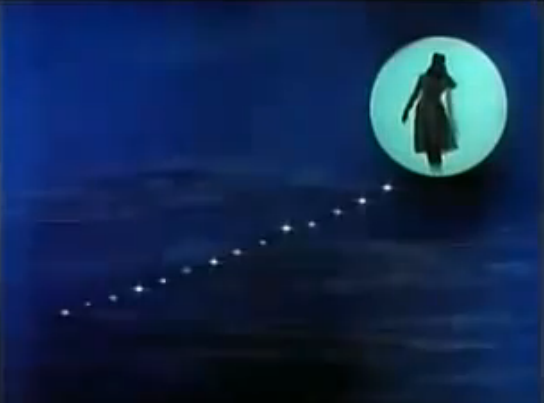
Bina Rai’s spirit descends from the heavens to come meet Pradeep Kumar in his old age in Taj Mahal (1963).

Jo Wada Kiya Woh Nibhana Padega (Version 2): Lyrics and Translation

jo vaadaa kiyaa vah nibhaanaa paDegaa
You must fulfill the promise that you made. 
roke zamaanaa chaahe, roke khudaayii
Should society or divinity attempt to stop you,
tum ko aanaa paDegaa
you must still come to me.

sabhii ahal-e-duniyaa yah kahte hai.n ham se
All the people of the world tell me that
ki aataa nahii.n hai koi muD ke adam se
no one returns from the next world.
aaj zaraa shaan-e-vafaa dekhe zamaanaa
Today, let this world see the splendor of faithfulness.
tum ko aanaa paDegaa
You must come to me. 
jo vaadaa kiyaa vah nibhaanaa paDegaa
You must fulfill the promise that you made.

yah maanaa hame.n jaa.n se jaanaa paDegaa
I accept that I must leave this life.
par yah samajh lo tum ne jab bhii pukaaraa
Yet, understand this: whenever you call out to me,
ham ko aanaa paDegaa
I must come to you.
jo vaadaa kiyaa vah nibhaanaa paDegaa
I must fulfill the promise that I made.

ham aate rahe hai.n, ham aate rahe.nge
I have been coming to you, and I will continue to do so eternally.
muhabbat kii rasme.n nibhaate rahe.nge
I will continue to fulfill the duties of love.
jaan-e-vafaa, tum do sadaa phir kyaa Thikanaa?
Oh beloved, at which dwelling shall we meet when you call? 
ham ko aanaa paDegaa
I must come to you. 
jo vaadaa kiyaa vah nibhaanaa paDegaa
I must fulfill the promise that I made. 

BR

Bina Rai stars as the elegant Mumtaz Mahal a.k.a Arjumand Banu Begum.

Jo Wada Kiya Woh Nibhana Padega (Version 3): Lyrics and Translation

jo vaadaa kiyaa vah nibhaanaa paDegaa
You must fulfill the promise that you made. 
roke zamaanaa chaahe, roke khudaayii
Should society or divinity attempt to stop you,
tum ko aanaa paDegaa
you must still come to me.

yah maanaa hame.n jaa.n se jaanaa paDegaa
I accept that I must leave this life.
par yah samajh lo tum ne jab bhii pukaaraa
Yet, understand this: whenever you call out to me,
ham ko aanaa paDegaa
I must come to you.
jo vaadaa kiyaa vah nibhaanaa paDegaa
I must fulfill the promise that I made to you.

hamarii kahaanii tumhaaraa fasaanaa
My story and your tale
hameshaa hameshaa kahegaa zamaanaa
will be narrated eternally by the world.
kaisii balaa kaisii sazaa, ham ko hai aanaa
Whatever misfortune or punishment falls upon me, I must come.
ham ko aanaa paDegaa
I must come to you.
jo vaadaa kiyaa vah nibhaanaa paDegaa
I must fulfill the promise that I made.

jo vaadaa kiyaa vah nibhaanaa paDegaa
You must fulfill the promise that you made.
roke zamaanaa chaahe, roke khudaayii
Should society or divinity attempt to stop you,
tum ko aanaa paDegaa
you must still come to me.

*Female lines in red are sung by Lata Mangeshkar. Male lines in green are sung by Mohammed Rafi. Lines in black are sung together by Lata Mangeshkar and Mohammed Rafi.  

Glossary

vaadaa nibhaanaa: to fulfill a promise; roknaa: to stop; zamaanaa: society, world; khudaayii: divinity; tarasnaa: to pine; nigaah: eyes; aavaaz denaa: to call out; muhabbat: love; raah: path; jaan-e-hayaa: beloved; jaan-e-adaa: beloved; tarsaanaa: to torment; maanna: to accept; jaha.n: world; samajh lenaa: to understand; pukaarnaa: to call out; vafaa: fidelity, faithfulness; ilzaam: accusations; ishq; love; saudaa karnaa: to bargain; ghabraanaa: to fear; chamaknaa: to shine;  TuuTnaa: to break; ahd-o-paimaa.n: promises and pledges; sadaa denaa: to call; diivaanaa: mad, crazy in love; ahal-e-duniyaa: people of the world; muD ke aanaa: to return; adam: non-existence, the next world; shaan-e-vafaa: splendor of faithfulness; rasm: duty, rule; jaan-e-vafaa: beloved; Thikaanaa: dwelling, place; kahaanii: story; fasaanaa: tale; hameshaa: always, eternally; balaa: misfortune, calamity; sazaa: punishment.

PK BR

Pradeep Kumar and Bina Rai remain united in love through both life and death in Taj Mahal (1963).

Teer-e Nazar Dekhenge Lyrics and Translation: Let’s Learn Urdu-Hindi

Teer-e-nazar 1

Bedecked in a white gown symbolic of her own death, Pakeezah dances at the celebration of her lover’s marriage to another woman in Pakeezah (1971).

We now showcase the lyrics and English translation to Lata Mangeshkar’s “Teer-e Nazar” from the cinematic jewel Pakeezah (1971). One of classic Bollywood’s most iconic and daring song sequences, “Teer-e Nazar” dazzles the audience by the audacity of its stunning visual fabric–the magnum opus of the industry’s greatest artists with a story worthy of their union. In an ironic twist, the film’s heroine Pakeezah is asked to perform a mujraa at the wedding of her lover to another woman. Throughout the striking song that follows, director Kamal Amrohi deliberately transforms our understanding of beauty and love into omens of murder and death.

Lyricist Kaif Bhopali’s title phrase “teer-e nazar,” while otherwise a romantic reference to a lover’s piercing gaze, assumes a sinister implication, a literal means of wounding its target. Pakeezah once more dances a graceful kathak dance, but this time she is dressed for a funeral in all-white. The death she celebrates is her own. Her beautiful dance suddenly re-invents itself when she purposefully smashes a glass chandelier across the pristine white floor. The moment is one of the most shocking in Bollywood history, with a dramatic shift in the room’s dynamics to accompany the jarring musical screech. Before this moment, Pakeezah was a mere witness to the injustice of her society’s prejudices. Now, Pakeezah wields a commanding power, entrancing a captive audience to which she willingly presents herself as a ritual sacrifice in the name of her own unfulfilled love.

Teer-e-nazar 4

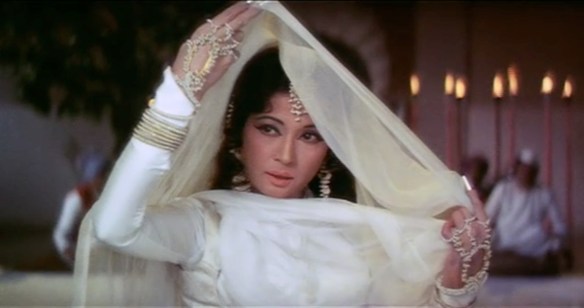
Like a veiled Lady of Shallot, the effervescent Meena Kumari as Pakeezah realizes the show is coming to an end tonight.

Unleashing a passion she had been trained for so long to suppress, Pakeezah dances upon the jagged broken glass with a frenzied energy. Her blood, the bright red of wedding bliss she has been denied, stains the floor with every footstep. As evidenced by the film’s famous dialogue, feet play an important sensual role in Pakeezah. The blood-smeared feet ironically mirror the once dainty red foot paint of a dancer–the vehicle by which Rajkumar first fell in love with Pakeezah in a train compartment, begging her romantically to never allow them to touch the ground. With each step, Pakeezah regains her identity by destroying the constraints of her past.

Director Kamal Amrohi brilliantly shapes the scene through a chaotic editing pattern as fragmented and disturbing as the glass upon which she dances. Below is a short gallery of some of the many gorgeous shots that compose this scene, each more violent than the next.

This iconic song is among Bollywood’s greatest cinematic moments–made even more fascinating by the behind-the-scenes gossip between Meena Kumari and stunt double Padma Khanna who actually dances in this sequence! Follow along with the video, and we hope you enjoy our lyrics and English translation to the awe-inducing “Teer-e Nazar” from Pakeezah (1971) below!

Teer-e Nazar Dekhenge Lyrics and Translation:

Aaj hum apnii du’aao.n kaa asar dekhe.Nge
Today I shall behold the image of my prayers
Teer-e nazar dekhe.Nge, zakhm-e jigar dekhe.Nge
I shall see arrows from your glances, I shall see the wounds of my heart

Aap to aa.Nkh milaate hue sharmaate hai.N
Upon meeting my eyes, you feel embarrassed
Aap to dil ke dhaDakne se bhi Dar jaate hai.N
You are even afraid of your own heartbeat
Phir bhi yeh zidd hai ki ham zakhm-e jigar dekhe.Nge
Nonetheless I remain stubborn to witness the wounds of my heart
Teer-e nazar dekhe.Nge, zakhm-e jigar dekhe.Nge
I shall see arrows from your glances, I shall see the wounds of my heart

Pyaar karna dil-e betaab buraa hotaa hai
It is unfortunate for a weak heart to fall in love
Sunte aaye hai ki yeh khwaab buraa hota hai
I have heard that this dream of mine is also cursed
Aaj is khwaab ke taabiir magar dekhe.Nge
But today I will interpret the meaning of that dream
Teer-e nazar dekhe.Nge, zakhm-e jigar dekhe.Nge
I shall see arrows from your glances, I shall see the wounds of my heart

Jaan levaa hai mohabbat ka samaa aaj ki raat
Tonight this atmosphere of love feels fatal
Shamaa ho jaayegii jal jal ke dhuaa.N aaj ki raat
Tonight the lamps shall burn into smoke
Aaj ki raat bache.Nge to sahar dekhe.Nge
If I escape tonight, then I shall see the dawn
Teer-e nazar dekhe.Nge, zakhm-e jigar dekhe.Nge
I shall see arrows from your glances, I shall see the wounds of my heart

Aaj hum apnii du’aao.n kaa asar dekhe.Nge
Today I shall behold the image of my prayers
Teer-e nazar dekhe.Nge, zakhm-e jigar dekhe.Nge
I shall see arrows from your glances, I shall see the wounds of my heart

Glossary:

du’aa: prayer; asar: sign, image; teer: arrow; nazar: glance; zakhm: wound; jigar: heart; aankh milaanaa: to make eye contact; sharmaanaa: to become embarrassed, to be shy; dhaDaknaa: to beat [heart]; Dar jaanaa: to become afraid; zidd: stubborness, firm; betaab: weak; buraa: bad, unfortunate; khwaab ke taabir: interpretation of a dream; jaan levaa: fatal; mohabbat: love; samaa: atmosphere; shamaa: lamp; dhuaa.N: smoke; sahar: dawn

teer-e-nazar 2

Oh, Meena Kumari, will there ever live a woman so breathtakingly classy again?

This fantastic Pakeezah hit was requested by fans VintageBollywood and Moosa Desai! Thank you for the epic request!

Arguably, Pakeezah’s wild dance following the chandelier shattering contains the most thrilling music (composed by the great Ghulam Mohammed) in the entire film. But there’s a big unsolved mystery here. Does the ambiguity of the diegetic soundscape in this sequence bother anyone else but me? Think about it: If Pakeezah had just smashed a chandelier to the ground, ruffling the entire audience, and then starts bleeding all over the party floor, is it likely that the band would carry on as usual? But on the other hand, if the music is, in fact, non-diegetic, what are the odds her dance movements are still so perfectly coordinated to the beat? Is she in theory really dancing like a maniac to a silent room while the furious strings Kamal Amrohi added are for the film viewers’ ears alone? This is going to keep me awake at night.

For lighter moments from the iconic film, check out our translations of Pakeezah‘s immortal Chalte Chalte, Mausam Hai Aashiqaana, and Inhi Logo.N Ne!

-Mrs. 55

Papa Jaldi Aaja Na Lyrics and Translation: Let’s Learn Urdu-Hindi

kids

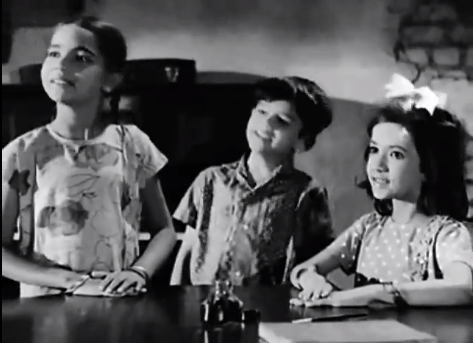
These adorable children await their father Bharat Bhushan’s return from an overseas journey in Taqdeer (1967).

Here at Mr. and Mrs. 55, we wish you a very merry Christmas and send you our warmest season’s greetings! Although songs that depict Christmas are few and far between within the realm of Bollywood cinema (see last year’s post on Jingle Bells/Aao Tumhein Chand Pe Le Jaaye), there is no dearth of songs that celebrate the values comprising the essence of the holiday spirit.  While you shouldn’t hold out for a guest appearance by Santa Claus or good old Rudolph, many Hindi films from the Golden Era revolve around the aspects of Christmas that many people cherish the most: sharing happiness with others, celebrating love, and strengthening family bonds. Today, in honor of Christmas , we present a children’s classic from Taqdeer (1967) that evokes the holiday spirit through its heart-warming depiction of familial love: pappaa jaldii aajaa na.

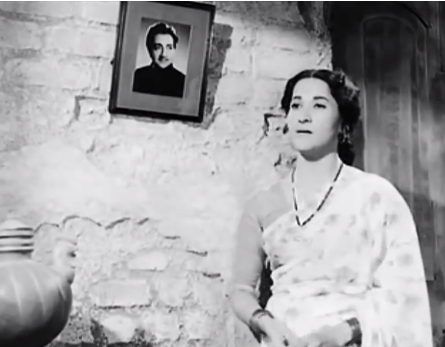
Directed by A. Salaam Taqdeer (1967) is a Hindi remake of the Konkani film Nirmon (1966) that narrates a powerful story about a destitute widow (played by Shalini Mardolkar) whose husband (played by Bharat Bhushan) is thought to have died in a tragic shipwrecking. Struggling to make ends meet, she accepts a marriage proposal from her husband’s wealthy friend (played by Kamal Kapoor) for the sake of her family. Although money is no longer an issue for them, Shalini and her children struggle to find happiness in the absence of their warm and loving husband/father. Although his family thinks that he is deceased, it turns out that Bharat miraculously survived the shipwrecking but lost all of his memory prior to the accident as a result of amnesia. Several years later, Bharat’s amnesia resolves when he hears a performance of a song (“jab jab bahaar aayii“) that he had taught to one of his former music students. After his memory returns, Bharat returns home to Goa and encounters the harsh reality of the sacrifices his family has been forced to make in his absence. How will Bharat be reunited with Shalini and his children? Watch the full movie here to find out!

Composed by Laxmikant-Pyarelaal and penned by Anand Bakshi, this song is presented at the beginning of Taqdeer after Bharat has embarked on his overseas journey. Equipped with the gentle maternal beauty of Lata Mangeshkar’s voice, Shalini leads her children (voiced by Sulakshana Pandit, Ila Desai, and Meena Petki) in a song to ask for their father’s safe and prompt return home. Naturally, part of the reason that the children await their father’s return is because they are excited to receive the new toys and gifts that he will bring home for them from abroad. Yet, the line “guDiyaa chaahe na laanaa, pappaa jaldii aajaa na!” illustrates how the children dearly miss their father’s love and support regardless of whether they receive his gifts or not.

Indeed, this heart-warming song can serve as a reminder of what is truly important to us at this time of the year. The most important part of the holiday season is not exchanging gifts and reveling in new excitement of our new toys, clothes, or gadgets. Rather, the greatest gift that we can receive for the holidays is the opportunity to live, laugh and cherish the company of our family and loved ones. Still looking for ideas on how to spend your quality time this holiday season? Mrs. 55 and I recommend putting on your favorite old Bollywood flick and letting the bonding begin with those that matter to you the most. Until next time…

-Mr. 55
Shalini

Shalini Mardolkar writes a letter to her husband to tell him how much the family misses him in Taqdeer (1967)


Papa Jaldi Aaja Na: Lyrics and Translation

saat samundar paar se, guDiyo.n ke bazaar se
From a doll store across the seven seas,
achhii sii guDiyaa laanaa
please bring us back a doll. 
guDiyaa chaahe na laanaa, pappaa jaldii aajaa na!
Whether you bring a doll or not, please come home soon, Papa!

tum pardes gaye jab se, bas yah haal huaa tab se
Ever since you went abroad, our lives have not been the same.
dil diivaanaa lagtaa hai, ghar viraanaa lagtaa hai
My heart has gone mad, as this house feels desolate without you.
jhilmil chaa.nd sitaaro.n ne, darvaazo.n diivaaro.n ne
The shining Moon and stars, these doors and walls,
sab ne puuchha hai ham se: kab jii chhuuTegaa gham se?
they all have asked me, “When will your heart be liberated of sorrow?
kab hogaa unkaa aanaa? pappaa jaldii aajaa na!
When is the date of his return?” Please come home soon, Papa!

maa.n bhii loDii nahii.n gaatii, ham ko nii.nd nahii.n aatii
Since Mom does not sing lullabies anymore, we have trouble falling asleep.
khelkhilaune TuuT gaye, sangiisaathii chhuuT gaye
Our toys are broken, and our companions have left our side.
jeb hamaarii khaalii hai aur aatii diivaalii hai
Our pockets are empty, yet Diwali is still to come.
ham sab ko na taDpaao, apne ghar vaapas aao
Please do not torment us any longer. Once you return home,
aur kabhii phir na jaanaa. pappaa jaldii aajaa na!
never leave us again. Please come home soon, Papa!

khat na samjho taar hai yah, kaaghaz nahii.n hai pyaar hai yah
Consider this a telegram, not a letter. It is made of love, not paper.
durii aur itnii durii, aisii bhii kyaa majbuurii?
There is such distance between us. What compels you to be so far?
tum koii naadaan nahii.n, tum isse anjaan nahii.n
You are not naive, nor are you unaware that
is jiivan ke sapne ho, ek tum hii to apne ho
you are my dream in this life. I consider only you to be mine. 
saaraa jag hai begaanaa, pappaa jaldii aajaa na!
I am estranged from the rest of the world. Please come home soon, Papa!

saat samundar paar se, guDiyo.n ke bazaar se
From a doll store across the seven seas,
achhii sii guDiyaa laanaa
please bring us back a doll.  
guDiyaa chaahe na laanaa, pappaa jaldii aajaa na!
Whether you bring a doll or not, please come home soon, Papa!

Shalini

Shalini Mardolkar and her children are not the same without their beloved head of household Bharat Bhushan in Taqdeer (1967).


Glossary

samundar: sea; guDiyaa: doll; bazaar: store, market; jaldi: soon, quickly; pardes: abroad; viraanaa: empty, desolate; jhilmil: shining; darvaazaa: door; diivaar: wall; chhuTnaa: to escape/depart, to be free of; loDii: lullaby; khel-khilaune: toys; sangii-saathii: companions; jeb: pocket; khaalii: empty; taDpaanaa: to torment; duurii: distance; majbuurii: compulsion, helplessness: anjaan: unaware; jag: world; begaanaa: estranged, alien.

Nutcracker

In my holiday best for my first viewing of The Nutcracker by Tchaikovsky!