The Top 30 Greatest Classic Bollywood Films of All Time

The top 30 greatest classic Bollywood films have been selected. Which films made the list of Bollywood’s best?
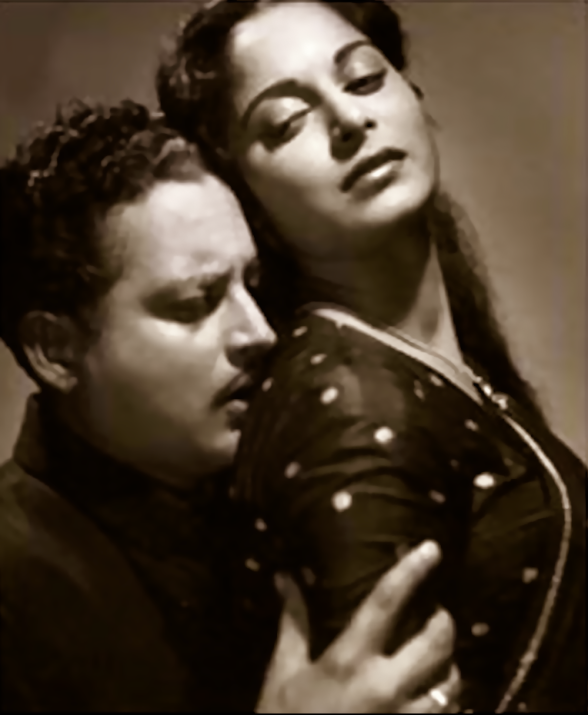
Greatest Bollywood Films of All Time Guru Dutt Waheeda Rehman

Introduction

Mr. and Mrs. 55 – Classic Bollywood Revisited! at last present our definitive list of the Bollywood classics you absolutely must see before you die. Hundreds of films were scored and ranked across multiple dimensions of Bollywood cinema including: story, direction, performances, musical composition, as well as cultural impact and legacy. We included Hindi-language films made between the period of 1949-1979 on our list of the best classic Bollywood films ever made. Some on the list are beloved favorites of the industry, while others may surprise you.

Among the winners are directors Guru Dutt, Bimal Roy and Raj Kapoor–names synonymous with masterpiece Indian cinema–each with multiple films among Bollywood’s all-time greatest. Always wondered why a couple of young Harvard students like us love old Indian films so passionately? No matter what you think you know about Bollywood, the movies on this list will change your understanding of Indian films like never before. From village epics that grapple with our national identity to the nostalgic poetry of sudden disillusionment, classic Bollywood films transport us from the enchanting glamour of Bombay nightlife to the majestic gardens of Kashmir. They carry our souls through hardship and loss and revive our spirits with redemption.

This is cinema the way it was meant to be. This is classic Bollywood.

The top 30 Films from 30 years of classic Hindi cinema (1949-1979):

1. Pyaasa
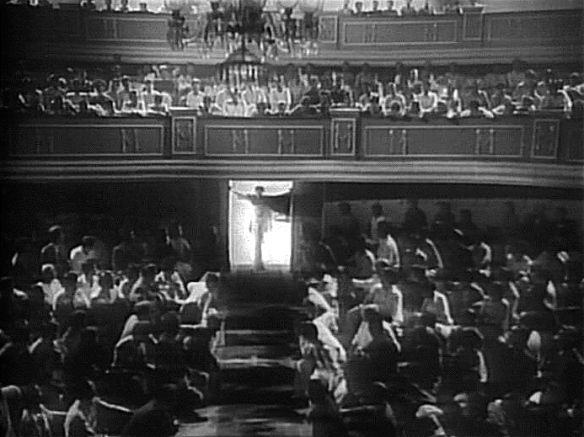
Pyaasa Guru Dutt

Guru Dutt, 1957

Pyaasa, or “thirst,”is the story of one man’s search for compassion in the cold cynicism of post-independence Indian society. Vijay is an unpublished poet, dismissed by his own family and scorned by socialites and his colleagues. After befriending a prostitute who shelters him, Vijay is believed dead and his poetry “posthumously” lionized. He becomes an overnight sensation, mourned by fans across the country, and the true Vijay is labeled an imposter. India entered its golden age of filmmaking in the 1950s when its long-awaited freedom from England and the hopes of a new government created a social tinderbox of great expectations and disillusionment. Pioneering the technique of utilizing song lyrics as direct extensions of the film’s dialogue, Guru Dutt as the writer-producer-director-star paints a stirring portrait of the commodification of humanity.

2. Mughal-e-Azam
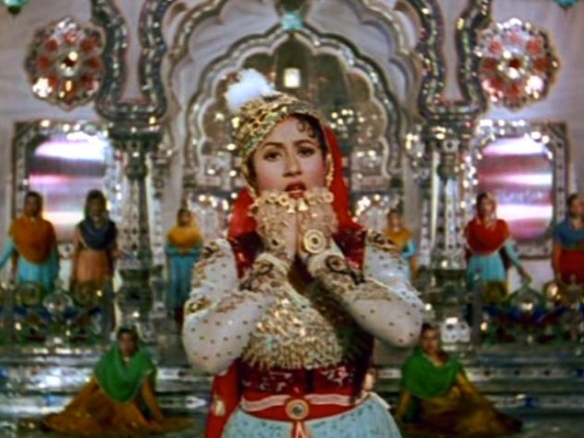
Mughal-e Azam K. Asif

Karimuddin Asif, 1961

At the turn of the 17th century, Prince Salim falls in love with the court dancer Anarkali and wages war against his own father, Emperor Akbar, in order to marry her. Director K. Asif’s enormous cast, opulent sets, intricately designed costumes and extravagantly staged battle scenes made the film the most expensive ever produced in India at the time. But despite of all the grandeur, the film has a warm heart, and the dangers of the romance between Salim and Anarkali are infused into each glance they share. Although the love story is the backbone of the film, it is Emperor Akbar, from whom the film derives its name (“the Great Mughal”), who takes center stage as he is torn between love for his only son and the unforgiving demands of the Mughal Empire. Every line of dialogue is written with the ornamentation of poetry, casting an elegance to Mughal-e Azam‘s thunderous power.

3. Pakeezah
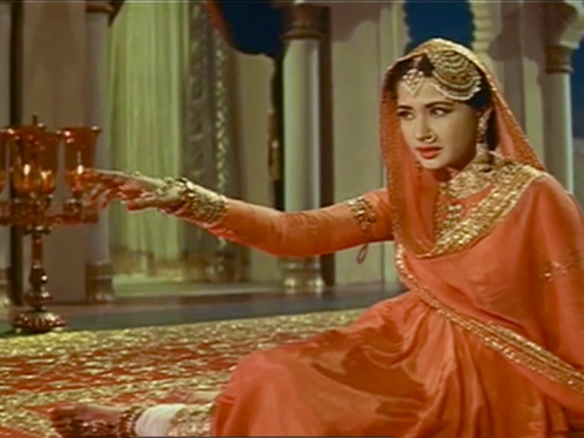
Pakeezah Kamal Amrohi

Kamal Amrohi, 1971

In the grandeur of Muslim Lucknow at the turn of the century, Pakeezah is a courtesan and dancer who dreams of leaving her life behind when a stranger falls in love with her in a train compartment, not knowing her true profession. With swirling romanticism and languid, dream-like cinematography, Pakeezah instantly became one of the most extraordinary musicals ever made. Perfectionist director Kamal Amrohi, who also wrote the script and some of the lyrics, effectively transports the viewer into a wistful age of bygone formality and luxury. Each of Pakeezah‘s popular semi-classical songs illustrates the duality of a courtesan’s poetry, at once glamorizing the elaborate rituals of love and destroying the institutions that upheld them.

4. Mother India
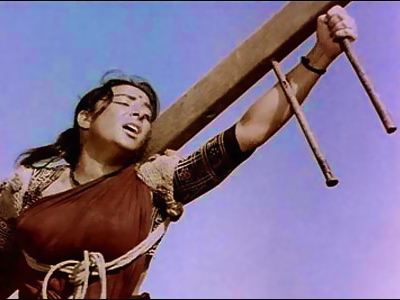
Mother India Mehboob Khan

Mehboob Khan, 1957

With tragedy strikes her family, newlywed village belle Radha is determined to weather a crucible of social and personal adversities without compromising her honor. In doing so, she reinvents herself as a heavy-handed symbol of India’s own pride as an ancient culture and a new democracy. A defining film in the history of Bollywood, director Mehboob Khan’s iconic Mother India set the pattern for the more than 60 years of Bollywood film that followed it. A mythologization of traditional values and an homage to the beauty of Indian heritage, Mother India‘s unabashedly epic glorification of self-sacrifice and female empowerment was nominated for the Academy Award for Best Foreign Film in 1958.

5. Guide
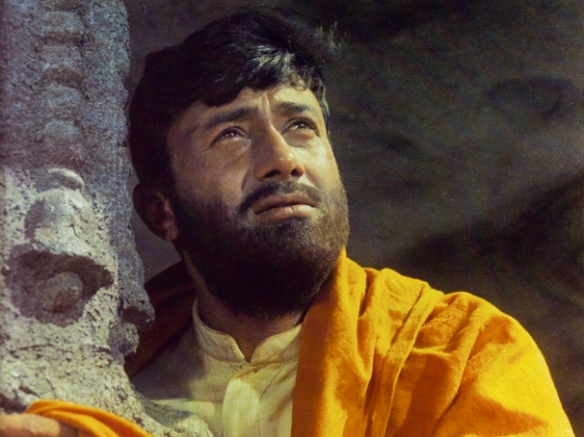
Guide Vijay Anand

Vijay Anand, 1965

A corrupt businessman is transformed into a spiritual guide after a misunderstanding that leads to his idolization by a village besieged by drought. Based on the R.K. Narayan novel of the same name and bolstered by a stunning soundtrack, Guide explores a fundamental Vedic transformation from materialism to a release from worldly attachments in an extremely unlikely hero. A scandalous love story settles into the background as director Vijay Anand boldly deconstructs social taboos, from adultery and non-traditional gender roles to religious fraud, in a film that stirringly evolves into a philosophical awakening greater than the circumstances it portrays–a brilliant reflection of the double entendre intended by its title.

6. Kaaghaz Ke Phool
Kaagaz Ke Phool Guru Dutt

Guru Dutt, 1959

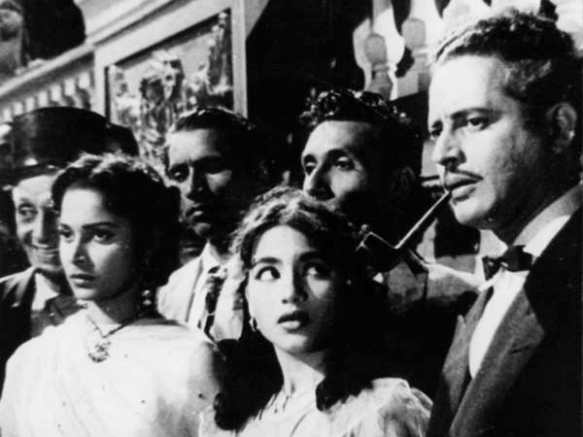
In the 1950s at the height of India’s golden age of film-making, a celebrated movie director feels uninspired by the tinsel-lined glitz of studio era Bollywood. When he discovers a new actress, innocent to the corruption of the industry, he believes he has found a muse to ease his restlessness. A elegiac behind-the-scenes film about film-making, Kaaghaz Ke Phool became a cult classic following the eerie semi-autobiographical death of its director Guru Dutt. Trapped in a world of pretense, Guru Dutt illustrates a kind of yearning that softly and slowly erodes the soul–a desperate hunt for a human connection. The real triumph is in the film’s stunning camerawork, gracefully gliding through the empty studio sets like a beautiful spectre of Dutt’s own shattered desires.

7. Awaara

Awaara Raj Kapoor

Raj Kapoor, 1951

A female lawyer is determined to prove her lover’s innocence in a murder attempt on the life of a respected judge. Structured in medias res, the film’s flashback reveals the injustice of her lover’s past when the very judge who condemns him proves to be his own father: a man who threw his wife onto the streets when he believed a criminal had raped her. Echoing the dark lessons of the ancient Ramayana, Awaara shatters the nature versus nurture debate with a showman’s flair and surrealist fantasy, including the film’s legendary dream sequence evoking a descent into Hell. Awaara launched Raj Kapoor’s famous Chaplin-esque hero for the first time, who resonated immensely across the Soviet Union and Communist China as the voice of a new generation.

8. Sahib, Bibi, Aur Ghulam
Sahib Biwi Aur Ghulam Guru Dutt

Guru Dutt/Abrar Alvi, 1962

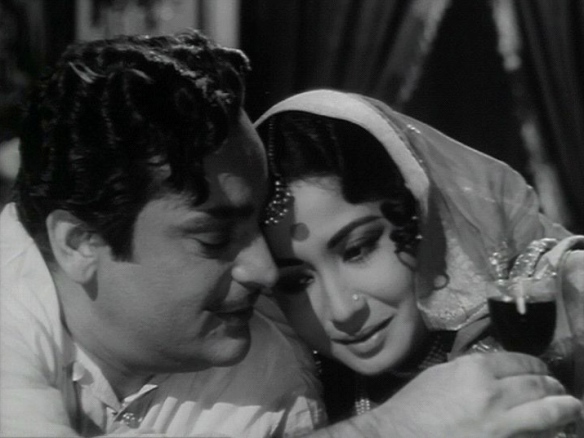
Desperate to save her marriage, the younger daughter-in-law of a wealthy family sacrifices her moral boundaries to win over her alcoholic husband. A nostalgic glimpse into the decaying Bengali feudal system, Sahib, Bibi, Aur Ghulam unravels a dazzling murder mystery at the heart of its progressive view of societal redemption. Seen from the perspective of a young factory worker lured into a stately mansion as an ally of its young mistress, Sahib, Bibi, Aur Ghulam hauntingly opens the doors to the hollowness of exterior splendor. Spiraling against her will with the collapse of Calcutta’s landed aristocracy, Meena Kumari’s portrayal of the tormented wife is forever considered among the most magnificent on-screen performances of Bollywood history.

9. Aradhana
Aradhana Shakti Samanta

Shakti Samanta, 1971

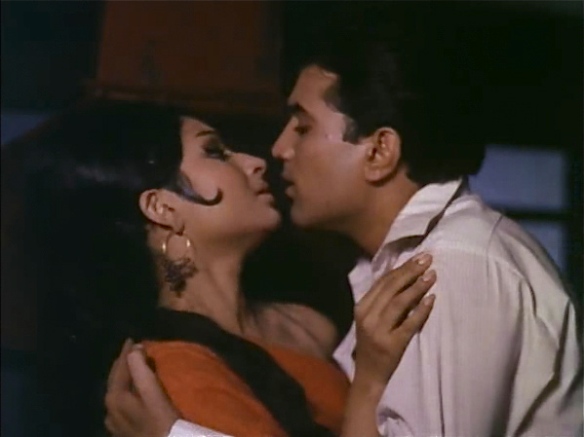
When her lover dies at war, an unwed mother gives up her son up for adoption, vowing to watch over him in secrecy as he grows up in the house of another. Her poignant worship, or aradhana, of her dead fiancé and their son became immortalized in the Indian cinematic psyche as an audacious struggle of traditional society confronted by changing modern values. Boasting one of the all-time greatest soundtracks of Indian cinema, Aradhana epitomizes the versatility and creativity of the era’s leading music directors. From the youthful romance of “Kora Kaagaz Tha” to the grim Bardic undertones of “Safal Hogi Teri Aradhana” to the notoriously seductive “Roop Tera Mastana,” the film is as much remembered for its luminous performances as for exemplifying the golden age of Bollywood music.

10. Do Bigha Zameen
Do Bigha Zameen Bimal Roy

Bimal Roy, 1953

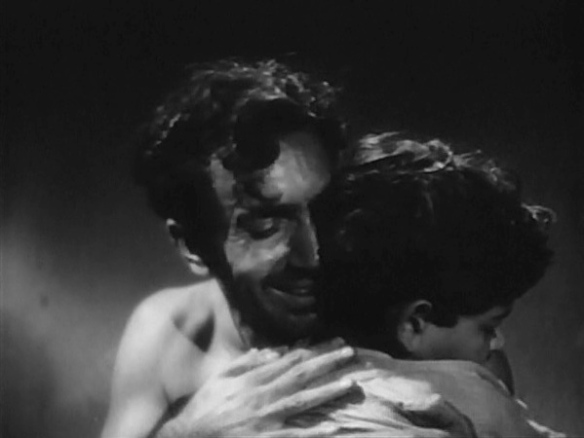
A farming family fights to save their ancestral land from a cunning mill owner. Do Bigha Zameen follows the father and son’s trip to Calcutta from their idyllic village to earn enough money to pay their debts–only to discover the miseries of urban poverty instead. Inspired by the work of Italian neorealism, Do Bigha Zameen pioneered early parallel cinema with a deliberate attention to the “everyday,” and the feeling of an invisible, unhurried camera whose shots and mis-en-scene are both carefully constructed and effortlessly fluid. Directed by Bengali auteur Bimal Roy, the film’s nationalistic electricity hit a broader audience, becoming the first Indian film to win the Prix Internationale at the 1954 Cannes Film Festival.

11. Bandini

bandini bimal roy

During the British Raj of the 1930s, a prison doctor falls in love with a convict who reveals the story of her tumultuous connection to a freedom fighter.

12. Madhumati
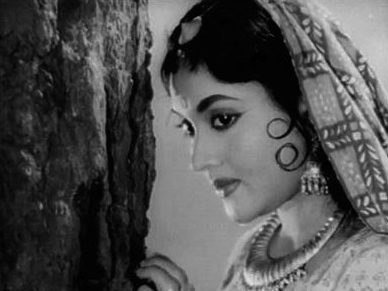
Madhumati Bimal roy

Bimal Roy, 1958

On a rainy night, a man enters an abandoned mansion where he is confronted by unfulfilled visions of his past life.

13. Shree 420
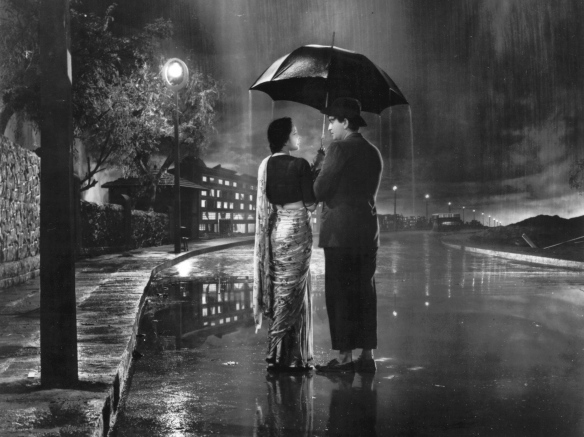
Shree 420 Raj Kapoor

Raj Kapoor, 1955

A country boy travels to Bombay to make his fortune where he is lured from the path of virtue into a thrilling life of deceit.

14. Sholay
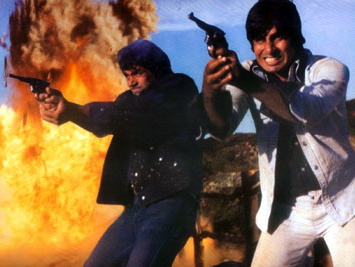
sholay ramesh sippy

Ramesh Sippy, 1975

After his family is murdered by a notorious bandit, a former police officer enlists the help of two outlaws to capture him.

15. Ankur
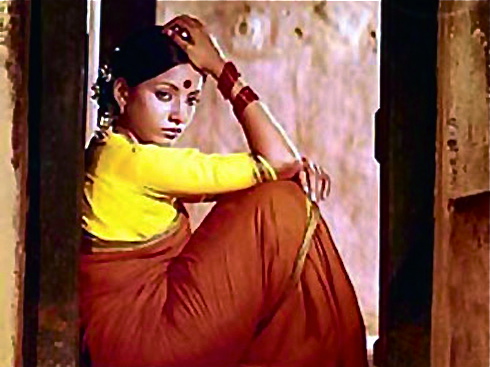
shyam benegal Ankur

Shyam Benegal, 1974

The social hierarchies of rural India are disrupted when a landowner begins an affair with a poor farmer’s wife.

16. Hum Dono
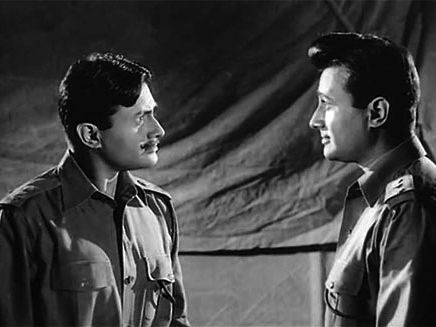
Hum Dono vijay anand

Amarjeet, Vijay Anand (1961)

After returning from war, a soldier begins to lead a double-life when his doppelgänger’s family welcomes him home.

17. Barsaat (1949)
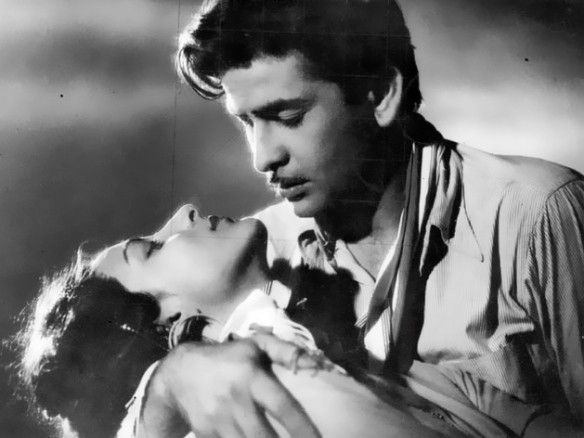
Barsaat raj kapoor

Raj Kapoor, 1949

Two men with different ideals of love search for answers with the coming of the monsoons.

18. Amar Akbar Anthony
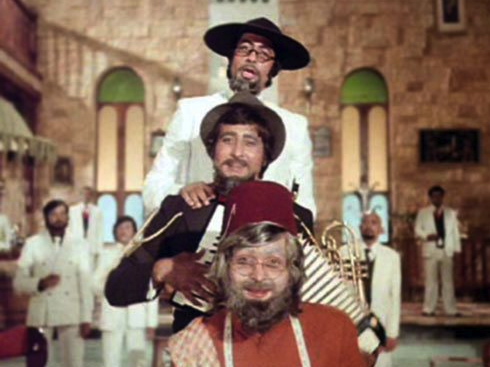
Amar Akbar Anthony manmohan desai

Manmohan Desai, 1977

Three brothers are separated in childhood and eventually unite after one is brought up a Christian, one a Hindu, and one a Muslim.

19. Anand
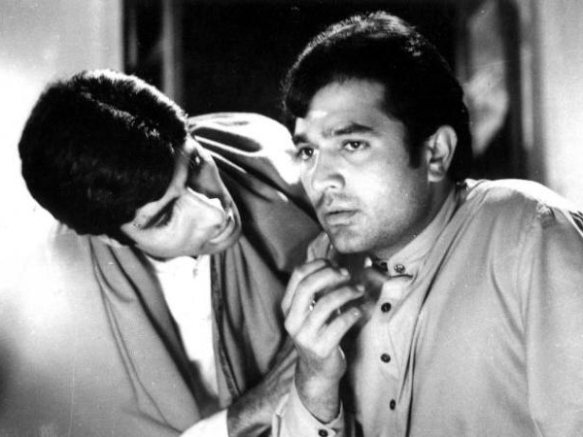
Anand hrishikesh mukherjee

Hrishikesh Mukherjee, 1971

A doctor recounts the story of a terminally ill man who wishes to his live life to the fullest and spread happiness to those around him.

20. Haqeeqat
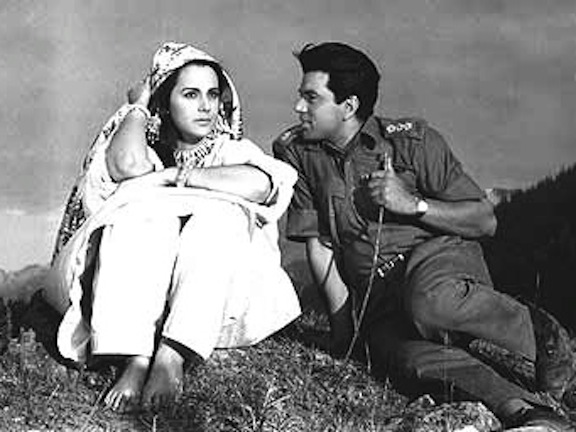
Haqeeqat chetan anand

Chetan Anand, 1964

A platoon of Indian soldiers leave their homes and loved ones to encounter the harsh realities of battle in the Indo-China War of 1962.

21. Don
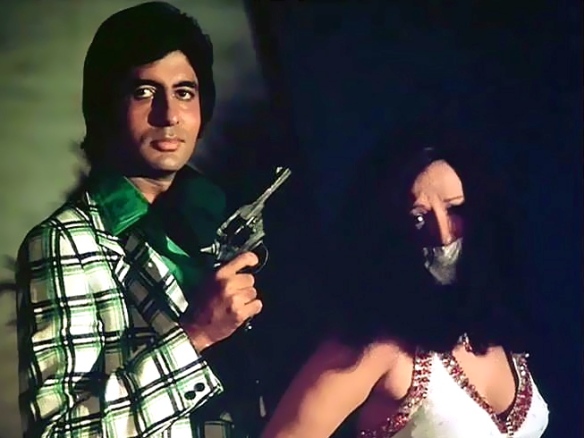
Don 1978 chandra barot

Chandra Barot, 1978

A simpleton is trained to infiltrate the underworld by impersonating a criminal leader who has been killed in a police chase.

22. Mahal
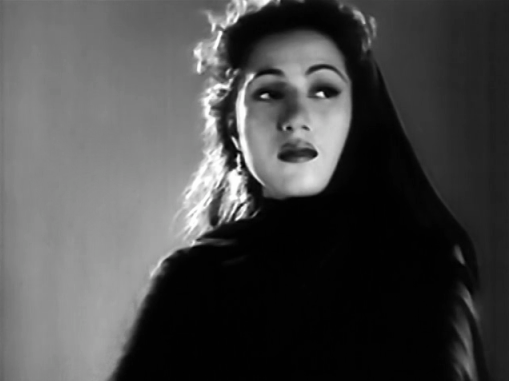
Mahal kamal amrohi

Kamal Amrohi, 1949

A young lawyer is haunted by a ghostly woman in his new house, where the builder and his fiancée died shortly after it was built.

23. Sangam
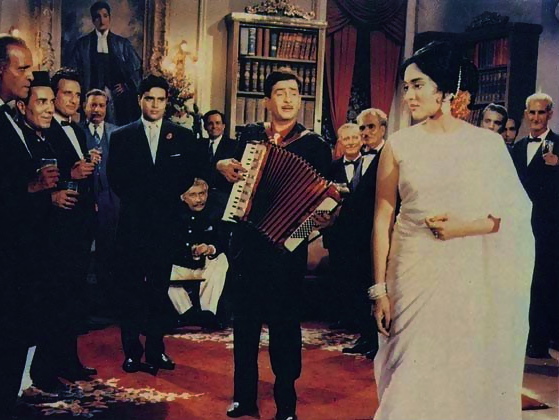
Sangam raj kapoor

Raj Kapoor, 1964

An Indian Air Force Officer leaves for the Kashmiri front, entrusting his wife to the care of his best friend who has secretly always loved her.

24. Dosti
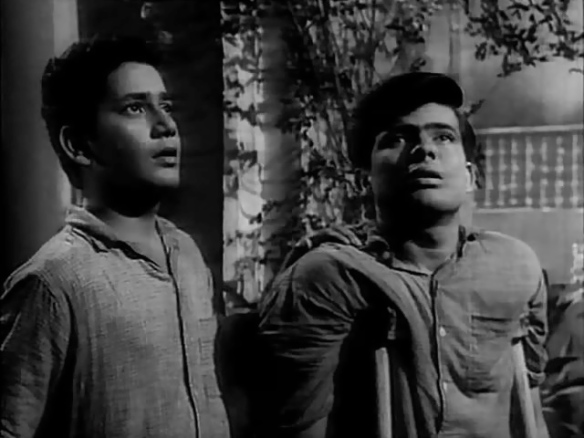
Dosti satyen bose

Satyen Bose, 1964

A penniless orphan makes the unexpected friendship of a blind boy who teaches him survival on the streets of Bombay.

25. Waqt
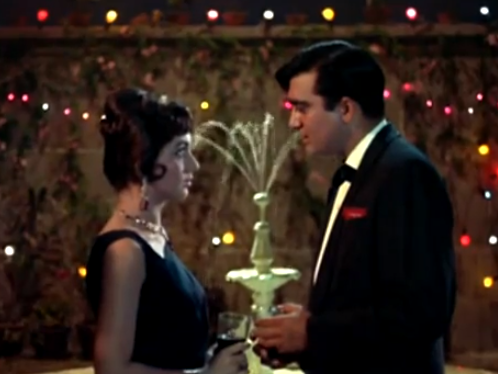
Waqt yash chopra

Yash Chopra, 1965

Natural disaster separates the members of a close-knit family who re-connect in a series of dramatic entanglements years later.

26. Deewar

Deewar yash chopra

Yash Chopra, 1975

A mother attempts to reunite her two estranged sons: one, a leading criminal of the underworld, and the other, an uprighteous policeman.

27. Kati Patang
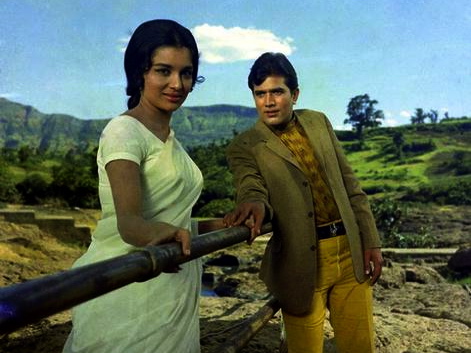
Kati Patang shakti samanta

Shakti Samanta, 1970

As a promise to raise the child of her dying friend, a young woman risks starting a new life under a false identity.

28. Aandhi
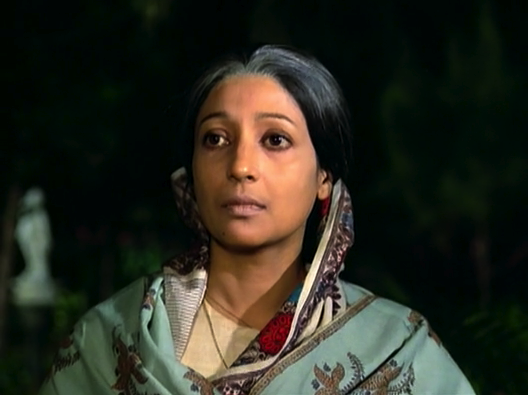
Aandhi gulzar

Gulzar, 1975

A powerful politician struggles to reconcile her position with secrets from her past.

29. Purab Aur Paschim
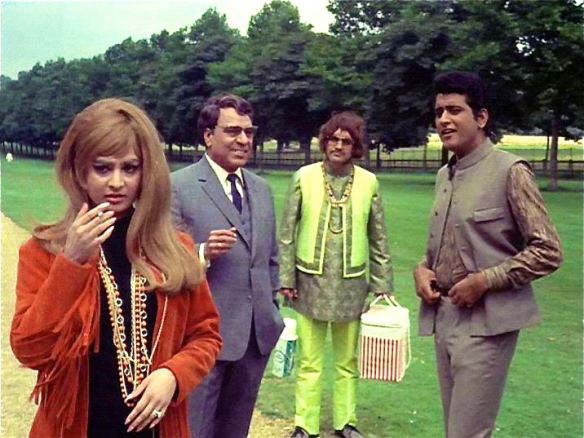
Purab Aur Paschim major kumar

Manoj Kumar, 1970

East clashes with West when a traditional Indian student encounters swinging London society for the first time.

30. Bombai Ka Babu
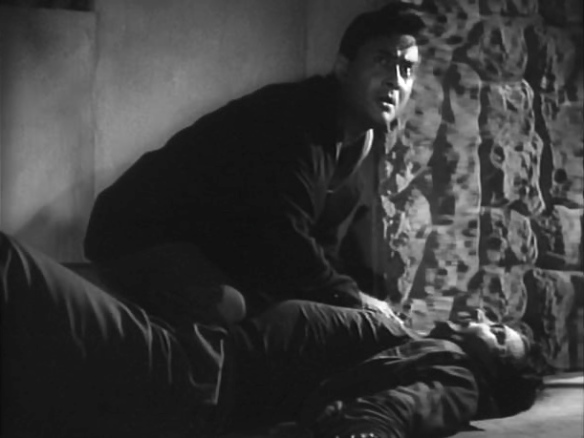
Bombai Ka Babu Raj Khosla

Raj Khosla, 1960

A small-time thief is forced into a deadly web of deception when he gains the trust of his victim’s family.

Read more about these and other classic Bollywood films on our film pages! Which films do you consider among classic Bollywood’s all-time best and why? Leave us a comment and let us know!

– Mrs. 55

Jo Wada Kiya Woh Nibhana Padega Lyrics and Translation: Let’s Learn Urdu-Hindi

PK BR

The eternal love story of emperor Shah Jahan and Mumtaz Mahal is presented in Taj Mahal (1963)

In the spirit of Valentine’s Day 2014, we continue our series on Taj Mahal (1963) with the lyrics and English translation to the film’s most popular song: jo vaadaa kiyaaFor our previous posts on this film, please see our translations of khudaa-e-bartar, jurm-e-ulfat pe, and paa.nv chhuu lene do.

As its name suggests, Taj Mahal (1963) directed by M. Sadiq tells one of the greatest love stories in India’s history: how Mughal emperor Shah Jahan (played by Pradeep Kumar) fell in love with his (third!) wife Mumtaz Mahal a.k.a Arjumand Banu Begum (played by Bina Rai) and eventually built the Taj Mahal in her memory following her demise. While the film’s historical — yet often fictional — narrative earned commercial success and critical acclaim, it is mostly remembered today for its soundtrack composed by Roshan and penned by Sahir Ludhianvi.

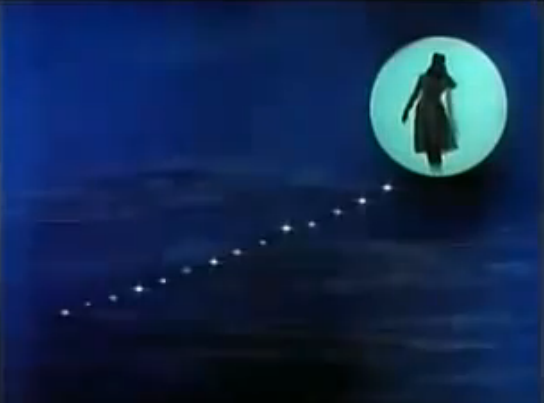
It is no surprise that this immortal duet sung by Lata Mangeshkar and Mohammed Rafi earned the well-deserved #1 position in Binaca Geet Mala for the year of 1963. In fact, this song was played for so long on Binaca Geet Mala that the program had to change its rules regarding the maximum number of weeks that a single song could be featured on the list! Ever since, this blockbuster song, tuned to Raga Pahadi, has remained an all-time romantic favorite in Hindi cinema. Although some may consider its charm to be hampered by overexposure, even the most diehard fans may be surprised to learn that this song has two additional versions featuring lyrics that differ from those in the song’s most popular version. Among the three renditions found in the film, my personal favorite is the “sad” version (transcribed as Version 2 below).  I mean, how could you not love that beautiful Lata alaap played as Bina Rai’s spirit descends from the Moon to meet Pradeep Kumar?

Will the romance of this song be enough to charm your sweetheart on Valentine’s Day this year? Share this poetry with that special someone and you’re guaranteed to score some major points from him or her today! Until next time…

-Mr. 55
PK

Pradeep Kumar exudes a regal aura as he plays Shah Jahan in Taj Mahal (1963).

Jo Wada Kiya Woh Nibhana Padega (Version 1): Lyrics and Translation

jo vaadaa kiyaa vah nibhaanaa paDegaa
You must fulfill the promise that you made.
roke zamaanaa chaahe, roke khudaayii
Should society or divinity attempt to stop you,
tum ko aanaa paDegaa
you must still come to me. 

tarastii nigaaho.n ne aavaaz dii hai
My pining eyes have called out to you.
muhabbat kii raaho.n ne aavaaz dii hai
The paths of love have called out to you.
jaan-e-hayaa, jaan-e-adaa, chhoDo tarsaana
Oh beloved, please stop tormenting me.
tum ko aanaa paDegaa
You must come to me.
jo vaadaa kiyaa vah nibhaanaa paDegaa
You must fulfill the promise that you made.

yah maanaa hame.n jaa.n se jaanaa paDegaa
I accept that I must leave this life.
par yah samajh lo tum ne jab bhii pukaaraa
But understand this: whenever you call out to me,
ham ko aanaa paDegaa
I must come to you.
jo vaadaa kiyaa vah nibhaanaa paDegaa
I must fulfill the promise that I made. 

ham apnii vafaa pe na ilzaam le.nge
I will not tolerate accusations concerning my fidelity. 
tumhe.n dil diyaa hai, tumhe.n jaa.n bhii de.nge
I have given you my heart, and I can offer you my life too. 
jab ishq kaa saudaa kiyaa, phir kyaa ghabraanaa?
When I have already bargained with love, what is there to fear?
ham ko aanaa paDegaa
I must come to you.
jo vaadaa kiyaa vah nibhaanaa paDegaa
I must fulfill the promise that I made.

chamakte hai.n jab tak yah chaa.nd aur taare.n
As long as the Moon and stars continue to shine,
na TuuTe.nge ahd-o-paimaa.n hamaare
our promises and pledges will not be broken.
ek-duusraa jab de sadaa hoke diivaanaa
When one of us calls the other in the pangs of love,
ham ko aanaa paDegaa
we must come to each other.
jo vaadaa kiyaa vah nibhaanaa paDegaa
We must fulfill the promise that we made.

Moon

Bina Rai’s spirit descends from the heavens to come meet Pradeep Kumar in his old age in Taj Mahal (1963).

Jo Wada Kiya Woh Nibhana Padega (Version 2): Lyrics and Translation

jo vaadaa kiyaa vah nibhaanaa paDegaa
You must fulfill the promise that you made. 
roke zamaanaa chaahe, roke khudaayii
Should society or divinity attempt to stop you,
tum ko aanaa paDegaa
you must still come to me.

sabhii ahal-e-duniyaa yah kahte hai.n ham se
All the people of the world tell me that
ki aataa nahii.n hai koi muD ke adam se
no one returns from the next world.
aaj zaraa shaan-e-vafaa dekhe zamaanaa
Today, let this world see the splendor of faithfulness.
tum ko aanaa paDegaa
You must come to me. 
jo vaadaa kiyaa vah nibhaanaa paDegaa
You must fulfill the promise that you made.

yah maanaa hame.n jaa.n se jaanaa paDegaa
I accept that I must leave this life.
par yah samajh lo tum ne jab bhii pukaaraa
Yet, understand this: whenever you call out to me,
ham ko aanaa paDegaa
I must come to you.
jo vaadaa kiyaa vah nibhaanaa paDegaa
I must fulfill the promise that I made.

ham aate rahe hai.n, ham aate rahe.nge
I have been coming to you, and I will continue to do so eternally.
muhabbat kii rasme.n nibhaate rahe.nge
I will continue to fulfill the duties of love.
jaan-e-vafaa, tum do sadaa phir kyaa Thikanaa?
Oh beloved, at which dwelling shall we meet when you call? 
ham ko aanaa paDegaa
I must come to you. 
jo vaadaa kiyaa vah nibhaanaa paDegaa
I must fulfill the promise that I made. 

BR

Bina Rai stars as the elegant Mumtaz Mahal a.k.a Arjumand Banu Begum.

Jo Wada Kiya Woh Nibhana Padega (Version 3): Lyrics and Translation

jo vaadaa kiyaa vah nibhaanaa paDegaa
You must fulfill the promise that you made. 
roke zamaanaa chaahe, roke khudaayii
Should society or divinity attempt to stop you,
tum ko aanaa paDegaa
you must still come to me.

yah maanaa hame.n jaa.n se jaanaa paDegaa
I accept that I must leave this life.
par yah samajh lo tum ne jab bhii pukaaraa
Yet, understand this: whenever you call out to me,
ham ko aanaa paDegaa
I must come to you.
jo vaadaa kiyaa vah nibhaanaa paDegaa
I must fulfill the promise that I made to you.

hamarii kahaanii tumhaaraa fasaanaa
My story and your tale
hameshaa hameshaa kahegaa zamaanaa
will be narrated eternally by the world.
kaisii balaa kaisii sazaa, ham ko hai aanaa
Whatever misfortune or punishment falls upon me, I must come.
ham ko aanaa paDegaa
I must come to you.
jo vaadaa kiyaa vah nibhaanaa paDegaa
I must fulfill the promise that I made.

jo vaadaa kiyaa vah nibhaanaa paDegaa
You must fulfill the promise that you made.
roke zamaanaa chaahe, roke khudaayii
Should society or divinity attempt to stop you,
tum ko aanaa paDegaa
you must still come to me.

*Female lines in red are sung by Lata Mangeshkar. Male lines in green are sung by Mohammed Rafi. Lines in black are sung together by Lata Mangeshkar and Mohammed Rafi.  

Glossary

vaadaa nibhaanaa: to fulfill a promise; roknaa: to stop; zamaanaa: society, world; khudaayii: divinity; tarasnaa: to pine; nigaah: eyes; aavaaz denaa: to call out; muhabbat: love; raah: path; jaan-e-hayaa: beloved; jaan-e-adaa: beloved; tarsaanaa: to torment; maanna: to accept; jaha.n: world; samajh lenaa: to understand; pukaarnaa: to call out; vafaa: fidelity, faithfulness; ilzaam: accusations; ishq; love; saudaa karnaa: to bargain; ghabraanaa: to fear; chamaknaa: to shine;  TuuTnaa: to break; ahd-o-paimaa.n: promises and pledges; sadaa denaa: to call; diivaanaa: mad, crazy in love; ahal-e-duniyaa: people of the world; muD ke aanaa: to return; adam: non-existence, the next world; shaan-e-vafaa: splendor of faithfulness; rasm: duty, rule; jaan-e-vafaa: beloved; Thikaanaa: dwelling, place; kahaanii: story; fasaanaa: tale; hameshaa: always, eternally; balaa: misfortune, calamity; sazaa: punishment.

PK BR

Pradeep Kumar and Bina Rai remain united in love through both life and death in Taj Mahal (1963).

Shokh Nazar Ki Bijliyan Lyrics and Translation: Let’s Learn Urdu-Hindi

Manoj Kumar Shokh Nazar Ki Woh Kaun Thi ice skating

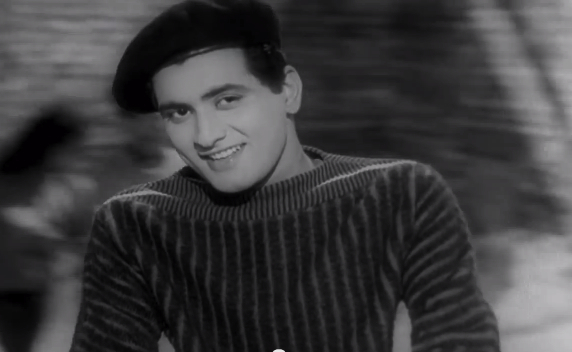
Looking extra-special in a French beret, Manoj Kumar goes for a spin on the ice in “Woh Kaun Thi” (1964).

Today we present the lyrics and English translation to the playful wintertime number “Shokh Nazar Ki Bijliyaan” in honor of the Winter Olympics 2014 figure skating competition! My life goes on temporary hold when the Winter Olympics rolls around. I always root vehemently for Team USA, especially in my favorite of all Olympic competitions: Women’s Figure Skating! Have you ever asked why India never participates in figure skating? Today’s showcased song “Shokh Nazar Ki Bijliyan” will prove that it’s not because India lacks talent!

After suffering a series of severe shocks as the hero of Woh Kaun Thi? (1964), Manoj Kumar takes a trip to Simla with his co-worker Praveen Chaudhary to forget his woes. Praveen Chaudhary, who is not-so-secretly in love with him, takes the opportunity to seduce her man with a pair of skates in a way no woman had dared before. Enter Bollywood On Ice!

Praveen Chaudhary Manoj Kumar Woh Kaun Thi ice skating

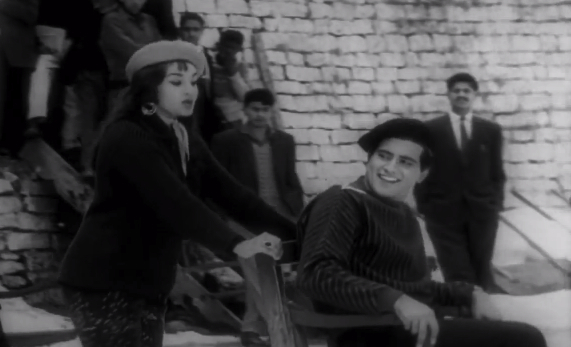
Praveen Chaudhary playfully pushes Manoj Kumar around the Simla Ice Skating Club in Woh Kaun Thi (1964).

After watching her B-grade flirtatious efforts in this song and comparing them to heroine Sadhana’s subtle performance in “Lag Ja Gale” from the same film, it’s easy to discern which lucky lady Manoj Kumar ultimately chooses. To drive the point home, did you further notice how Praveen is wearing a garish “Western” outfit while Sadhana consistently dresses in saaris? Manoj Kumar may be no Evgeni Plushenko, but his moves always seemed to get all the girls!

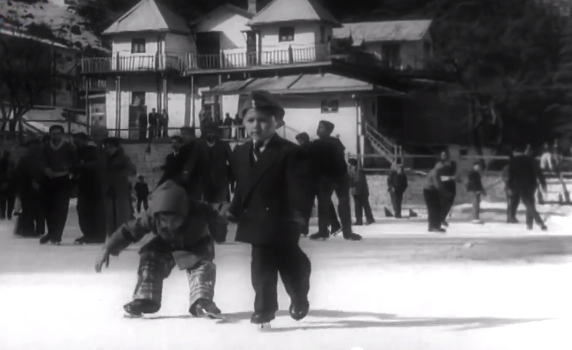
“Shokh Nazar Ki Bijliyan” was actually picturised on a famous ice-skating rink, the Simla Ice Skating Club, that is still popular in downtown Simla today! In fact, my own father fondly recalls his childhood in Simla, skating at this very rink where evidently they used to blast the gramophone record of Woh Kaun Thi through their speakers so the songs could be heard for miles around! My father also claims that the kid who adorably falls down in the middle of the song is none other than my own uncle, but this has been vehemently rebuked at many a family reunion.

random kids shokh nazar ki bijliyan woh kaun thi ice skating

Kid, if you ever stumble across this blog, write to us! Did you grow up to become a famous cardiothoracic surgeon? Are you a spoken word poet? Do you sell aloo-puri along the roads of Himachal Pradesh? I NEED TO KNOW what happened to you.

But enough chat. Join us in the spirit of the Winter Olympics with a little romantic ice-skating brought to you by Asha Bhonsle and music composer extraordinaire Madan Mohan. Watch the gold medal-worthy performance here, and follow along with our full English translation and lyrics to “Shokh Nazar Ki Bijliyaan” below!

Shokh Nazar Ki Bijliyaan Lyrics and English Translation:

Shokh nazar ki bijliyaa.N dil pe mere giraaye jaa
Let the lightening bolts of your mischievous glances fall upon my heart
Meraa na kuch khayaal kar, tu yuu.N hii muskuraaye jaa
Do not worry about me, you keep on smiling

Jaag uThii hai aarzuu jaise chiraagh jal paDe
My desire has arisen as if a lamp has been lit
Ab to wafaa ki raah pe hum tere saath chal paDe
Now I have stumbled upon the path of loyalty with you
Chaahe ha.Nsaaye jaa hame.N, chaahe hume.N rulaaye jaa
If you want, you can keep making me laugh or you can keep making me cry

Chain kahii.N kisii ghaDii aaye na tere bin mujhe
Without you, I find no peace anywhere at any moment
Kaash mai.N is jahaa.N se chhiin luu.N ek din tujhe
If only I could steal you away from this world one day
Main tere saath saath hoon, chahe nazar bachaaye jaa
I am by your side, even if you keep avoiding eye contact

Manzil-e ishq duur hai, duur hi bahut duur hai
The destination of our love is far away, very far away
Aa meraa haath thaam le, ruuh thakan se chuur hai
Come, take my hand, my spirit is broken by fatigue
Apne jahaa.N ko chhoD kar, mere jahaa.N pe chaaye jaa
Leave your world, and keep staying in mine

Glossary:

shokh: mischievous, playful; nazar: glance, eyes; bijli: lightening; dil: heart; giraanaa: to let fall; khayaal: thought: yuu.N hii: in this manner, like this; muskuraanaa: to smile; jaag uThnaa: to wake up, to arise; aarzuu: desire; chiraagh: lamp, flame; wafaa: loyalty, faith; raah: path; [kisii ke] saath: by [someone’s] side, together; ha.Nsaanaa: to make laught; rulaanaa: to make cry; chain: peace of mind; ghaDii: moment; kaash: if only; jahaa.N: world; ek din: one day; manzil: destination; ishq: love; duur: far away; haath thaamnaa: to take [someone’s] hand; ruuh: spirit, soul; thakan: exhaustion; chuur: broken

mrs 55 ice skating rockefeller center nyc

Practicing my triple Lutz at the Rockefeller Center ice skating rink in New York City!

ice skatin grockefeller center

Me and some of my roommates (soon to be bridesmaids!), holding up ice skating rink traffic.

You may notice that there’s a discrepancy between the lyrics of the version you see in the video and the ones you may hear on your audio version. Each one has a different second stanza! This comes back to an old sore point I’ve made before about how record companies short-changed Hindi film songs when making the final LP!

-Mrs. 55

Na Tum Humen Jano Lyrics and Translation: Let’s Learn Urdu-Hindi

Na Tum Humen Jano Dev Anand

With glistening suavity dripping from his pomade, Dev Anand croons the love ballad “Na Tum Humen Jano” to a sleeping Waheeda Rehman in Baat Ek Raat Ki (1962).

Today we showcase the lyrics and English translation of the haunting melody “Na Tum Humen Jano” from Baat Ek Raat Ki (1962). Dapper Dev Anand plays a young lawyer whose enigmatic client, Waheeda Rehman, has been convicted of murdering her ex-lover in a fit of rage. Deemed clinically depressed and mentally unhinged, Waheeda’s only chance at redemption, in classic Bollywood tradition, is the stable love of a good man. Dev Anand rises quickly to the occasion, “pretending” to woo her for..ahem…medical reasons–and more importantly to extract the true events leading up to the murder for which she is convicted. I think it comes as no surprise that she ultimately proves innocent and Dev Anand actually falls in love with her while faking it. But that’s not what makes this film’s twist ending so fantastic–and trust me, it’s not what you’d expect!

Waheeda Rehman Na Tum Humen Jano

Waheeda Rehman is awakened by the sound of a haunting melody in Baat Ek Raat Ki (1962). Did anyone mention that black is totally your color, Waheeda?

So how does this gem of a Hemant Kumar solo fit into the bizarre whoddunit? I’ve always found Hemant Kumar an intriguing rogue in the strict actor-singer pairings of classic films–the mysterious dark chocolate mousse of Bollywood playback. His tender yet overwhelmingly manly voice stood out among the Rafi wannabes of the age–the celestial way his voice resonates in the opening lines is a rich treat for the soul. Famed music director Salil Chowdhury said of the singer’s voice,

“If God could sing, he would have a voice like Hemanta.”

Have truer words ever been spoken? No better testament exists than the love song “Na Tum Humen Jano.” In Baat Ek Raat Ki, “Na Tum Humen Jano” plays on a gramophone record in the moments leading up to the murder. Waheeda Rehman is so traumatized afterwards, she cannot recall details of the event or her exact involvement. Naturally, Dev Anand believes that singing the song while she sleeps will subconsciously trigger her memory, thereby providing him the missing evidence of what  transpired that fatal night. He croons to her hidden in the background, observing her reaction as the melody wafts through the air. What follows is one of the most nostalgic songs of yesteryear.

We hope you love the lyrics and English translation to “Na Tum Humen Jano” as much as us! Follow along with the video and try to keep your beating heart in check as you get swept away in the romance!

Na Tum Humen Jano Lyrics and Translation:

Na tum hame.N jaano, na hum tumhe.N jaane
You do not know me, I do not know you
Magar lagtaa hai kuch aisaa meraa humdum mil gayaaa
Yet somehow I feel as if I have found my soul mate

Yeh mausam yeh raat chhup hai
These surroundings and this night are quiet
Woh honTo.N kii baat chhup hai
Those words on our lips are quiet
Khamoshii sunaanii lagii hai dastaa.N
The silence has begun to tell a story
Nazar ban gayii hai dil kii zubaa.N
Our glances have become the language of our hearts

Mohabbat ke moD pe hum
At the crossing of love
Mile sab ko chhoDke hum
We met and left everything behind
DhaDakhte dilo.N ka leke yeh caravaa.N
We took our beating hearts with us on this caravan
Chale aaj dono.N jaane kahaa.N
Let us go together today, I know not where

Na tum hame.N jaano, na hum tumhe.N jaane.N
You do not know me, I do not know you
Magar lagtaa hai kuch aisaa meraa humdum mil gayaaa
Yet somehow I feel as if I have found my soul mate

Glossary:

humdum: soulmate; mausam: atmosphere, surroundings; raat: night: chhup: quiet; honT: lips; baat: words; khamoshii: silence; sunaanaa: to tell; daastaa.N: tale, story; nazar: glance; zubaa.N: language; mohabbat: love; moD: crossing, turn; sab: everything; dhaDakhnaa: to beat [heart]; aaj: today

Waheeda Rehman Baat ek raat ki na tum humen jano

Prior to murder charges, the lovely Waheeda Rehman sings merrily along to a record of “Na Tum Humen Jano” in Baat Ek Raat Ki (1962).

Now before anyone comments on how angelic Lata’s solo moment is halfway through the song, don’t be fooled! That voice of a goddess is none other than rival soprano Suman Kalyanpur! Her highest high note in the cameo moment is an E5, which doesn’t even come close to Asha and Lata’s famous trills. Composed by S.D. Burman, the song is fully picturized as a happy female solo earlier in the film here! Was Suman Kalyanpur’s solo able to compete with the magic of the famous Hemant counterpart? I think it was certainly a valiant effort, but…let’s not lie to ourselves.

Our English translation of “Na Tum Humen Jano” was requested by diehard fangirl Reena! Stay classy, Reena.

– Mrs. 55

Teer-e Nazar Dekhenge Lyrics and Translation: Let’s Learn Urdu-Hindi

Teer-e-nazar 1

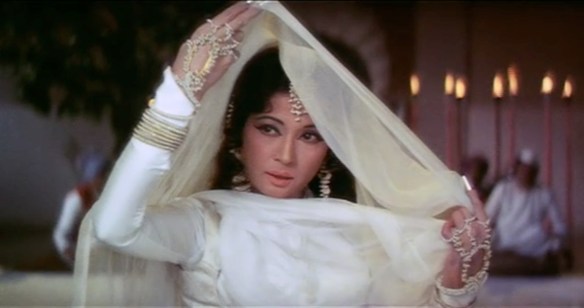
Bedecked in a white gown symbolic of her own death, Pakeezah dances at the celebration of her lover’s marriage to another woman in Pakeezah (1971).

We now showcase the lyrics and English translation to Lata Mangeshkar’s “Teer-e Nazar” from the cinematic jewel Pakeezah (1971). One of classic Bollywood’s most iconic and daring song sequences, “Teer-e Nazar” dazzles the audience by the audacity of its stunning visual fabric–the magnum opus of the industry’s greatest artists with a story worthy of their union. In an ironic twist, the film’s heroine Pakeezah is asked to perform a mujraa at the wedding of her lover to another woman. Throughout the striking song that follows, director Kamal Amrohi deliberately transforms our understanding of beauty and love into omens of murder and death.

Lyricist Kaif Bhopali’s title phrase “teer-e nazar,” while otherwise a romantic reference to a lover’s piercing gaze, assumes a sinister implication, a literal means of wounding its target. Pakeezah once more dances a graceful kathak dance, but this time she is dressed for a funeral in all-white. The death she celebrates is her own. Her beautiful dance suddenly re-invents itself when she purposefully smashes a glass chandelier across the pristine white floor. The moment is one of the most shocking in Bollywood history, with a dramatic shift in the room’s dynamics to accompany the jarring musical screech. Before this moment, Pakeezah was a mere witness to the injustice of her society’s prejudices. Now, Pakeezah wields a commanding power, entrancing a captive audience to which she willingly presents herself as a ritual sacrifice in the name of her own unfulfilled love.

Teer-e-nazar 4

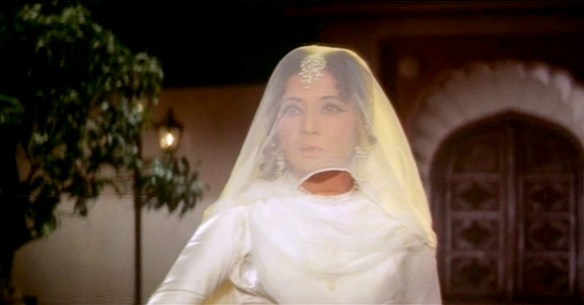
Like a veiled Lady of Shallot, the effervescent Meena Kumari as Pakeezah realizes the show is coming to an end tonight.

Unleashing a passion she had been trained for so long to suppress, Pakeezah dances upon the jagged broken glass with a frenzied energy. Her blood, the bright red of wedding bliss she has been denied, stains the floor with every footstep. As evidenced by the film’s famous dialogue, feet play an important sensual role in Pakeezah. The blood-smeared feet ironically mirror the once dainty red foot paint of a dancer–the vehicle by which Rajkumar first fell in love with Pakeezah in a train compartment, begging her romantically to never allow them to touch the ground. With each step, Pakeezah regains her identity by destroying the constraints of her past.

Director Kamal Amrohi brilliantly shapes the scene through a chaotic editing pattern as fragmented and disturbing as the glass upon which she dances. Below is a short gallery of some of the many gorgeous shots that compose this scene, each more violent than the next.

This iconic song is among Bollywood’s greatest cinematic moments–made even more fascinating by the behind-the-scenes gossip between Meena Kumari and stunt double Padma Khanna who actually dances in this sequence! Follow along with the video, and we hope you enjoy our lyrics and English translation to the awe-inducing “Teer-e Nazar” from Pakeezah (1971) below!

Teer-e Nazar Dekhenge Lyrics and Translation:

Aaj hum apnii du’aao.n kaa asar dekhe.Nge
Today I shall behold the image of my prayers
Teer-e nazar dekhe.Nge, zakhm-e jigar dekhe.Nge
I shall see arrows from your glances, I shall see the wounds of my heart

Aap to aa.Nkh milaate hue sharmaate hai.N
Upon meeting my eyes, you feel embarrassed
Aap to dil ke dhaDakne se bhi Dar jaate hai.N
You are even afraid of your own heartbeat
Phir bhi yeh zidd hai ki ham zakhm-e jigar dekhe.Nge
Nonetheless I remain stubborn to witness the wounds of my heart
Teer-e nazar dekhe.Nge, zakhm-e jigar dekhe.Nge
I shall see arrows from your glances, I shall see the wounds of my heart

Pyaar karna dil-e betaab buraa hotaa hai
It is unfortunate for a weak heart to fall in love
Sunte aaye hai ki yeh khwaab buraa hota hai
I have heard that this dream of mine is also cursed
Aaj is khwaab ke taabiir magar dekhe.Nge
But today I will interpret the meaning of that dream
Teer-e nazar dekhe.Nge, zakhm-e jigar dekhe.Nge
I shall see arrows from your glances, I shall see the wounds of my heart

Jaan levaa hai mohabbat ka samaa aaj ki raat
Tonight this atmosphere of love feels fatal
Shamaa ho jaayegii jal jal ke dhuaa.N aaj ki raat
Tonight the lamps shall burn into smoke
Aaj ki raat bache.Nge to sahar dekhe.Nge
If I escape tonight, then I shall see the dawn
Teer-e nazar dekhe.Nge, zakhm-e jigar dekhe.Nge
I shall see arrows from your glances, I shall see the wounds of my heart

Aaj hum apnii du’aao.n kaa asar dekhe.Nge
Today I shall behold the image of my prayers
Teer-e nazar dekhe.Nge, zakhm-e jigar dekhe.Nge
I shall see arrows from your glances, I shall see the wounds of my heart

Glossary:

du’aa: prayer; asar: sign, image; teer: arrow; nazar: glance; zakhm: wound; jigar: heart; aankh milaanaa: to make eye contact; sharmaanaa: to become embarrassed, to be shy; dhaDaknaa: to beat [heart]; Dar jaanaa: to become afraid; zidd: stubborness, firm; betaab: weak; buraa: bad, unfortunate; khwaab ke taabir: interpretation of a dream; jaan levaa: fatal; mohabbat: love; samaa: atmosphere; shamaa: lamp; dhuaa.N: smoke; sahar: dawn

teer-e-nazar 2

Oh, Meena Kumari, will there ever live a woman so breathtakingly classy again?

This fantastic Pakeezah hit was requested by fans VintageBollywood and Moosa Desai! Thank you for the epic request!

Arguably, Pakeezah’s wild dance following the chandelier shattering contains the most thrilling music (composed by the great Ghulam Mohammed) in the entire film. But there’s a big unsolved mystery here. Does the ambiguity of the diegetic soundscape in this sequence bother anyone else but me? Think about it: If Pakeezah had just smashed a chandelier to the ground, ruffling the entire audience, and then starts bleeding all over the party floor, is it likely that the band would carry on as usual? But on the other hand, if the music is, in fact, non-diegetic, what are the odds her dance movements are still so perfectly coordinated to the beat? Is she in theory really dancing like a maniac to a silent room while the furious strings Kamal Amrohi added are for the film viewers’ ears alone? This is going to keep me awake at night.

For lighter moments from the iconic film, check out our translations of Pakeezah‘s immortal Chalte Chalte, Mausam Hai Aashiqaana, and Inhi Logo.N Ne!

-Mrs. 55