Main Zindagi Ka Saath Nibhata Lyrics and Translation: Let’s Learn Urdu Hindi

Dev Anand Hum Dono Main Zindagi Ka Saath

Dev Anand plays a philosophical military officer in Navketan Films’ all-time hit Hum Dono (1961)

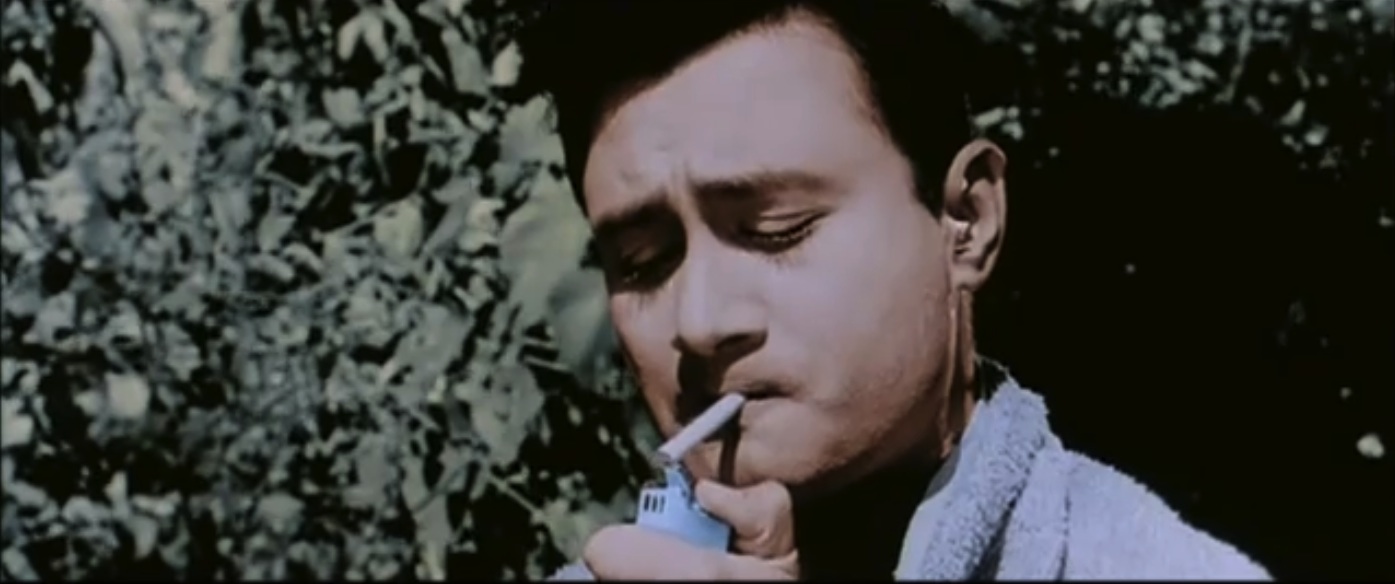
We now present the full lyrics and English translation to the evergreen Mohammed Rafi solo, “Main Zindagi Ka Saath Nibhata” from the film Hum Dono (1961). As we know, Hum Dono was released in colour last year by the late film legend Dev Anand, and newly entitled Hum Dono Rangeen. The film joins a string of recently re-colourized classics such as Mughal-e-Azam (1961) and Naya Daur (1957), riding the wave of India’s general excitement to enter previously unexplored technologies in film-making–from animation to digital special effects. The amount of work that goes into a recolourization of a film is amazing–particularly a 3 hour Hindi epic. Imagine hand-painting a single frame from the film: First, you must decide which colours would best match the director’s intention and the styles of the time. Then painstakingly painting the colours onto the frame that follow to exactly match the hue of the one before, making allowances for natural shifts of shadows and lighting as the actors move. When you remember that it takes 24 frames to make 1 second of a film, you can realize the enormity of the job ahead.

Dev Anand Sadhana Hum Dono

Dev Anand imagines Sadhana appearing next to his reflection in a pool of water.

Additionally, apart from adding a splash of colour, it would seem the new editors also altered the aspect ratio of the film into a widescreen presentation. Throughout some of the songs, you’ll also see Dev Anand had added fancy fades to and from black, which are definitely classy. However, I mourn the loss of the original aspect ratio–because the film is now made for the widescreen, a portion of the frame’s top and bottom have been cut off. A bit of the magic was cut too.

But even without these external alterations, the original beauty of the film has shone for decades. Hum Dono is a war film, but the story is not strictly about war. Dev Anand plays a dual role in the film and faces a moral dilemma when he impersonates the identity of his look-alike after the latter’s presumed death. Every action he makes has spiraling and exciting ethical repercussions. The film is one of the finest Bollywood has ever produced, and like most Dev Anand films, boldly explores difficult social themes and relationships. My only regret is that it’s obviously a twin story that no one bothered to explicitly state in the script. It’s a big gripe of mine about Bollywood twin movies, and for one of the worst examples of it, Haseena Maan Jaayegi, see our previous post on Bekhudi Mein Sanam!
Dev Anand hum Dono Main Zindagi Ka Saath 2

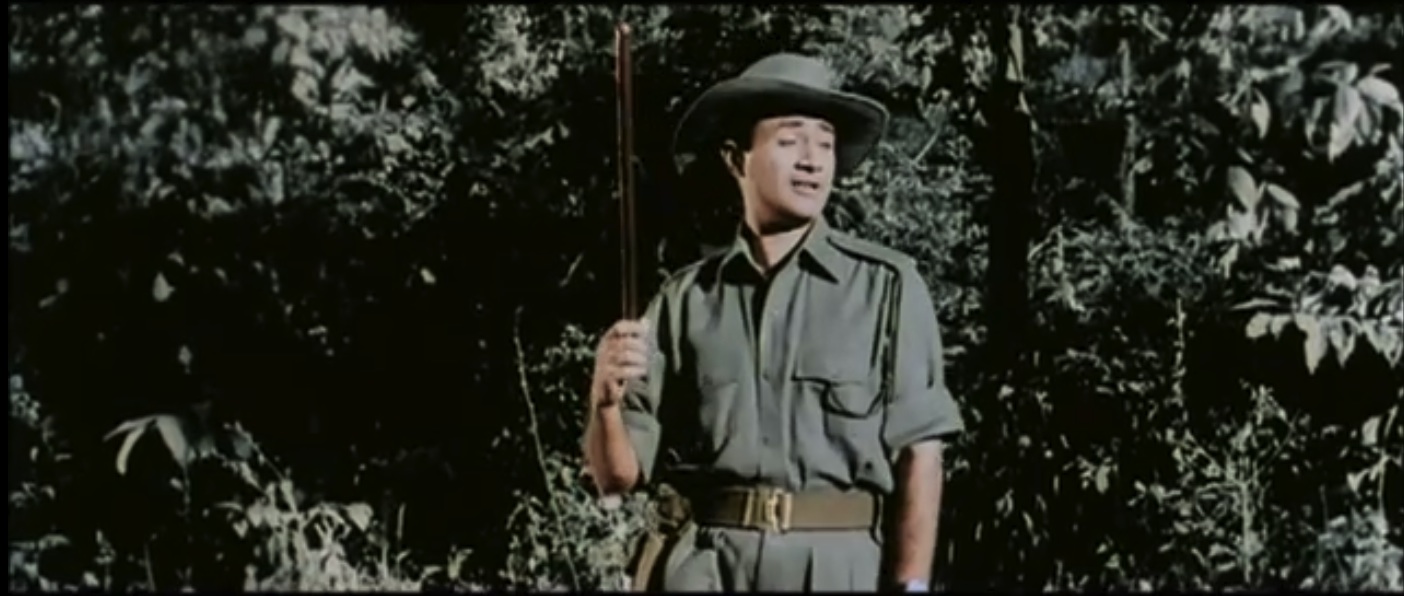
Dev Anand in full military dress from Hum Dono (1961)

But the greatest achievement of Hum Dono is in its music by Jaidev. Every single song in its soundtrack is pure gold, from the Rafi-Asha love duet “Abhi Na Jaao ChoD Kar” to the majestic Lata devotional “Allah Tero Naam.” The sweet melodies of Hum Dono have remained popular today, and amongst them is the sentimental mood-lifter “Main Zindagi Ka Saath Nibhata Chala Gaya.” In it, Dev Anand expresses many of the philosophies that would present in his later films such as Guide (1965). The Vedic-inspired line “gham aur khushi ke farq na mehsuus ho jahaan” allows the hero a carefree outlook that is unusual and refreshing for a jaded military officer. Because of it, this song has retained its popularity over the years. Of interesting note, Hindi movies were not allowed to use authentic Indian Army officer outfits for their costumes. So for anyone familiar with period military wear in India, you’ll notice the epaulette on the shoulder has been adjusted so it is not an exact replicate of what was actually worn!

Check out the youtube link here, and follow along with us below for full lyrics and English translation of “Main Zindagi Ka Saath“!

Main Zindagi Ka Saath Nibhata Lyrics and Translation

Mai.N zindagii ka saath nibhaataa chalaa gayaa
I faithfully followed wherever life took me
Har fikr ko dhuei.N mei.N uDaataa chalaa gayaa
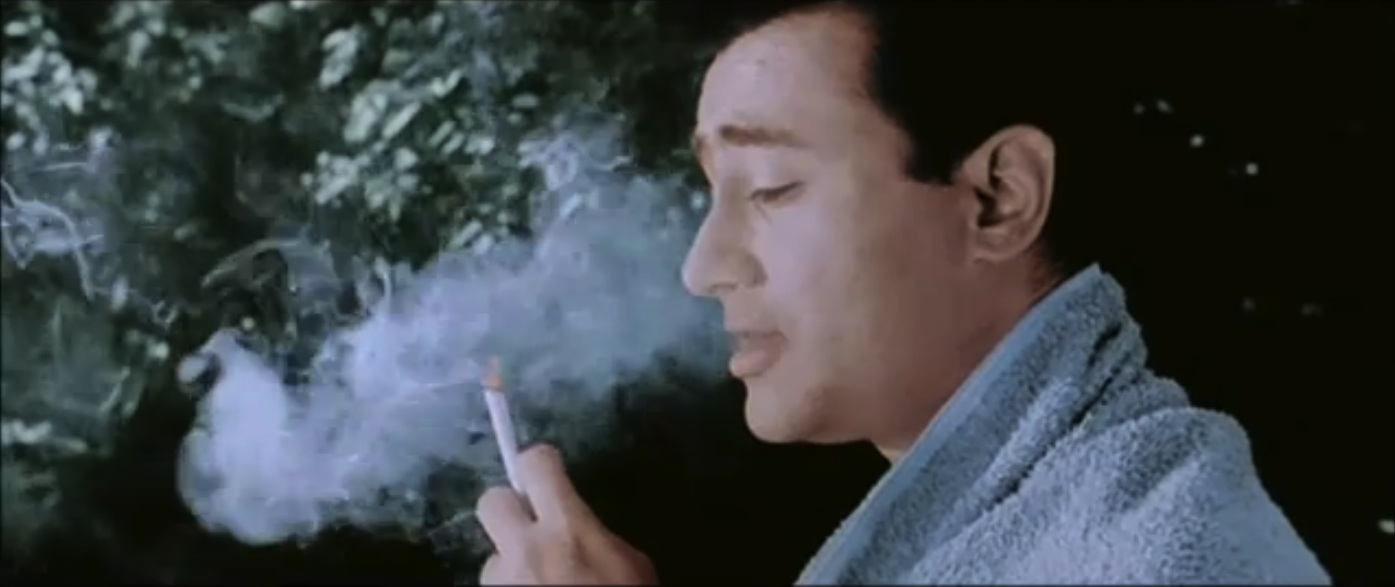
I blew every worry into a mist of smoke

Barbaadiyo.N ka shok manaanaa fizuul tha
It was pointless to grieve about my destruction,
Barbaadiyo.N ka jashn manaataa chalaa gayaa
So I kept making a celebration of my destruction!
Har fikr ko dhuei.N mei.N uDaataa chalaa gayaa
I blew every worry into a mist of smoke

Jo mil gayaa usii ko muqaddar samajh liyaa
Whatever came my way I considered to be my destiny
Jo kho gayaa mei.N usko bhulaataa chalaa gayaa
Whatever was lost to me, I kept putting out of my mind.
Har fikr ko dhuei.N mei.N uDaataa chalaa gayaa
I blew every worry into a mist of smoke

Gham aur khushi mei.N farq na mehsuus ho jahaa.N
That state where happiness and sorrow are indistinguishable
Mai.N dil ko us muqaam pe laataa chalaa gayaa
That realm is where I kept pushing my heart
Har fikr ko dhuei.N mei.N uDaataa chalaa gayaa
I blew every worry into a mist of smoke

Glossary:

zindagii: life; fikr: worry; dhuuei.N; smoke; barbaad: destruction; shok manaanaa: grieve; fizul: pointless; jashn: celebration; muqaddar: destiny, fate; bhulaanaa: to forget gham: sadness; khushi: happiness; farq: difference mehsuus: feeling; muqaam: realm
Dev Anand Hum Dono Main Zindagi Ka Saath

Dev Anand blows all his worries away in a puff of smoke in Hum Dono (1961)

The gentle chiming at the beginning of the song can also be found at the very end of “Abhi Na Jaao ChoD Kar” from the same film. Nice, Jaidev. Nice. This song translation was made by special request from our fan Bhuvesh! We always welcome requests from our readers, so don’t forget to drop us a line!

– Mrs. 55

Jis Gali Mein Tera Ghar Na Ho Balma Lyrics and Translation: Let’s Learn Urdu-Hindi

Rajesh Khanna serenades Asha Parekh in one of Hindi cinema’s most treasured boat songs from Kati Patang (1970)

If you’ve been following the latest news about Bollywood stars (as you should be), you might be aware of the fact that Rajesh Khanna has been hospitalized recently for exhaustion and a stomach infection. In light of this news, I thought I’d share one of my favorite songs picturized on the Bombay superstar and send along our best wishes for a speedy recovery. Below, I’ve provided the lyrics and a translation for “jis galii me.n teraa ghar na ho baalma,” a beautiful number sung by Mukesh in Kati Patang (1970).

Mukesh singing for Rajesh Khanna? Blasphemy, you might say. As we all know, Kishore Kumar was officially the playback voice for India’s beloved ‘Kaka,’ and you might hear a pairing with Mohammed Rafi on occasion. But a Mukesh song picturized on Rajesh Khanna, let alone a popular one, is quite rare indeed.

In spite of the unconventional pairing, this song from Kati Patang is an all-time classic that has been cherished by fans of Hindi cinema over the years. The beauty in the simplicity of Anand Bakshi’s lyrics here is striking. Expressing the the theme of selflessness in love, these lyrics are unique when placed into context of the film. Rajesh Khanna’s character uses this song to profess his love for Asha Parekh, a woman pretending to be a widow after fleeing the altar. At a time when societal norms prevented such women from marrying again, using such romantic lyrics to describe the love between a man and an ostensible widow is a bold move. In his inimitable style, Mukesh gives one of his career’s best performances as he sings these lyrics with sincerity and a tinge of melancholy.  To top it all off, R.D. Burman composes a simple, yet touching melody that does justice to the beauty of these lyrics. Enjoy this poignantly crafted declaration of love with our glossary and translation below!

-Mr. 55

Playing the role of a supposed widow, Asha Parekh wears a white sari throughout most of this film.

Jis Gali Mein Tera Ghar Na Ho Balma: Lyrics and Translation

jis galii me.n teraa ghar na ho baalma
Any  street on which your house does not reside
us galii se hame.n to guzarnaa nahii.n
is not a street that I shall traverse.
jo Dagar tere dvaare pe jaatii na ho
Any path that does not lead to your door
us Dagar pe hame.n paa.nv rakhnaa nahii.n
is not a path on which I shall set foot.

zindagii me.n kaii rangraliyaa.n sahii
In my life, there have been many colorful celebrations.
har taraf muskuratii ye kaliyaa.n sahii
In every direction, there are smiling flowerbuds
khuubsurat bahaaro.n kii galiyaa.n sahi
and many beautiful views of springtime.
jis chaman mei.n tere pag me.n kaa.nTe chubhe.n
Yet, the garden in which thorns pierce your feet 
us chaman se hame.n phuul chunnaa nahii.n
is not a garden from which I shall pick flowers.

haa.n ye rasme, ye qasame.n sabhii toD ke
Yes, after having broken these rituals and vows,
tu chalii aa chunar pyaar kii oDh ke
please come to me, flying your scarf of love in the air.
yaa chalaa jaauu.nga mai.n yah jag chhoD ke
Or else, I shall go away and leave this world.
jis jagah yaad terii sataane lage
The place where your memories begin to torture me
us jagah ek pal bhii Thaharana nahii.n
is not a place where I shall spend a single moment.

jis galii me.n teraa ghar na ho baalma
Any  street on which your house does not reside…

Glossary

galii: street, alley; baalma: beloved; Dagar: path; dvaaraa: door; rangraliyaa.n: colorful celebrations; kaliyaa.n: flower buds; chaman: garden; pag: foot; chubhnaa: to pierce; rasm: ritual, ceremony; qasam: vow; chunar: scarf; jag: world; sataanaa: to torture.

Rajesh Khanna charms the audience with his characteristic smile.

This song was filmed on site at Lake Nainital in Uttarakhand, India.

Kisi Patthar Ki Murat Se Lyrics and Translation: Let’s Learn Urdu-Hindi

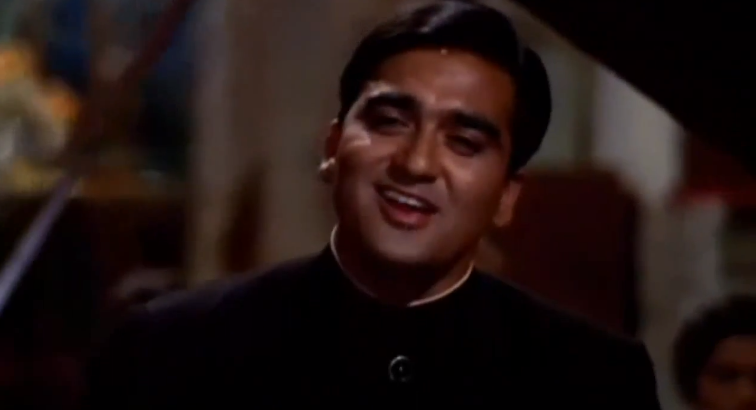
Sunil Dutt serenades Vimmi at an evening soiree in Hamraaz (1967)

The soundtrack of B.R. Chopra’s Hamraaz (1967) is remembered today for its showcasing of Mahendra Kapoor’s voice. Music director Ravi composed some unforgettable tunes for Mahendra Kapoor in this film, including “niile gagan ke tale,” “tum agar saath dene kaa vaadaa karo,” “na muu.nh chhupaake jiiyo,” and the gem that I’ve chosen to translate today: “kisii patthar kii muurat se.

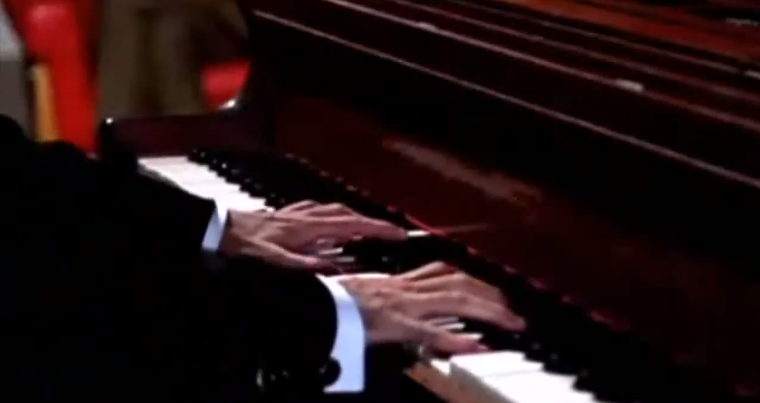
This song is found toward the beginning of Hamraaz, an entertaining murder mystery starring Sunil Dutt and newcomer Vimmi among a supporting cast of well-known names like Balraj Sahni, Helen, Mumtaz, Madan Puri, and Raaj Kumar. In the film, Sunil Dutt plays the role of a popular stage actor who falls in love with Vimmi, the daughter of a wealthy contractor, during a trip to Darjeeling. With this particular song, he serenades Vimmi around the piano at an evening soiree.

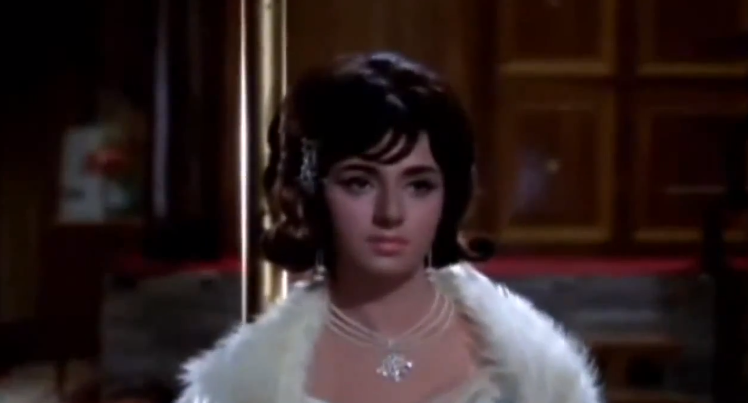
Sahir Ludhianvi was right on point when he described the film’s heroine Vimmi as a “patthar kii muurat” (a statue of stone) in this song. In an otherwise entertaining and well-produced film, Vimmi sticks out as a sore thumb for her tepid and expressionless acting. While Vimmi certainly had the beauty to make it in films, it is clear from her debut performance here that she was not cut out to become an actress. Introduced to B.R. Chopra by music director Ravi after meeting at a dinner party in Calcutta, Vimmi struggled immensely during the production of Hamraaz. Next to some of the stalwarts involved with film, Vimmi appeared to be a novice as she struggled to deliver her lines and required take after take to complete the simplest scenes. Interestingly, in spite of Vimmi’s lackluster performance, Hamraaz was a big hit when it was released. Unfortunately, Vimmi could not capitalize on the success of her debut and she failed to make a successful career for herself in the industry. Like many individuals associated with Bollywood, Vimmi’s life ended in tragedy: her family disowned her after she signed Hamraaz, her marriage fell apart a few years later, and it is said that she even turned to prostitution to finance an addiction to alcohol before her death. Quite sad, indeed. You can learn more about her tragic life by reading a surprisingly detailed Wikipedia biography here.

In any case, this song is a pure delight to listen to because of Sahir’s exquisite use of Urdu poetry combined with Mahendra Kapoor’s silky vocals. For a seemingly simple song, some of the Urdu here is quite advanced–do you know what the words parastish, taqalluf, and baghaavat mean? If not, find out by reading the glossary and translation that we’ve provided below! To learn more about another classic song produced by the Mahendra Kapoor-Sahir-Ravi combo, see our previous post on “chalo ek baar phir sehere.

-Mr. 55

Songs picturized around the piano are so classy.

Kisi Patthar Ki Murat Se Lyrics and Translation

kisii patthar kii muurat se muhabbat kaa iraadaa hai
I have intentions of loving a statue of stone.
parastish kii tamanna hai, ibaadat kaa iraadaa hai
I desire to worship it; I intend to pray to it.

jo dil kii dhaDakane.n samajhe, na aa.nkho.n kii zubaa.n samajhe
She understands neither the beating of my heart nor the language of my eyes.
nazar kii guftaguu samajhe, na jazabo.n kaa bayaa.n samajhe
She understands neither the dialogue of my glances nor the expression of my emotions.

usii ke saamane uskii shikaayat kaa iraadaa hai
I intend to air my grievances about this woman in her presence.

sunaa hai har javaan patthar ke dil me.n aag hotii hai
I have heard that a flame resides in the hearts of these young stones.

magar jab tak na chheDo, sharm ke parde me.n sotii hai
Yet, until you inflame it further, it remains asleep behind a veil of modesty.
yeh sochaa hai ki dil kii baat uske ruubaruu kah de.n
I have resolved to express my heart’s feelings to her face-to-face.

natiija kuch bhii nikale aaj apanii aarazuu kah de.n
Regardless of the outcome, I will reveal my desires to her. 

har ek bejaan taqalluf se baghaavat kaa iraadaa hai
I intend to rebel against every spiritless formality today.

muhabbat berukhii se aur bhaDakegii voh kyaa jaane
Little does she know that her indifference will further arouse my love,
tabiiyat is adaa pe aur phaDakegii voh kyaa jaane
Little does she know that my disposition will be further agitated by her charm,
voh kyaa jaane ki apnaa kis qayaamat kaa iraadaa hai
And little does she know of my disastrous intentions. 

kisii patthar kii muurat se muhabbat kaa iraadaa hai
I have intentions of loving a statue of stone.

Glossary

muurat: statue; iraadaa: intention; parastish: worship; tamanna: desire; ibaadat: worship; zubaa.n: language; guftaguu: dialogue, conversation; jazbaa: emotion; bayaa.n: expression; shikaayat: complaint; chheDnaa: to tease, inflame; ruubaru: face-to-face; natiija: outcome; aarazuu: desire; bejaan: spiritless; taqalluf: formality; baghaavat: rebelion; berukhii: indifference; bhaDakanaa: to arouse, flare up; tabiiyat: disposition; adaa: charm; phaDakanaa: to quiver, agitate; qayaamat: disaster.

Despite her looks, Vimmi falls very flat in her debut role as Meena in Hamraaz (1967)

Ab Kya Misal Doon Lyrics and Translation: Let’s Learn Urdu-Hindi

Pradeep Kumar Aarti 1962

Pradeep Kumar sings an Urdu love poem to Meena Kumari in Aarti (1962)

The next English translation in our series is of the poetic lyrics to “Ab Kya Misal Doon” from Aarti (1962). This timeless song is one of Bollywood’s most beloved romantic odes by Mohammed Rafi. Pradeep Kumar, Meena Kumari, and Ashok Kumar star in Aarti, a family drama of love, debts, and vengeance. Ashok Kumar plays a wealthy surgeon and the villain of the film, vowing revenge when his betrothed, Meena Kumari, marries another man, Pradeep Kumar. An exacting dilemma of the film comes when ironically Ashok Kumar must decide whether or not to push aside his emotional battles and perform surgery on his own rival Pradeep Kumar to save his life. Of course, Meena Kumari throws in some more drama into the bargain–and her quiet beauty steals the show yet again. Aarti has a number of great songs written by Majrooh Sultanpuri, but unarguably the greatest is the sweet Mohammed Rafi ballad “Ab Kya Misal Doon.”

Pradeep Kumar plays “the other man” in the film–a good-hearted, but unemployed poetic dreamer who croons softly to Meena Kumari in this number. It would put any girl in a tough position: the poetry of the song is exquisite, without overwhelming anyone with an Urdu vocabulary exam. It has just the right blend of tenderness, lyricism, and adoration made magical by the unequivocal talent of Mohammed Rafi. Follow along on youtube here and enjoy our English translation of this poetic masterpiece!

Meena Kumari in Aarti 1962

Meena Kumari blushes as she hears Pradeep Kumar singing her praises in Aarti (1962)

Ab Kya Misal Doon: Lyrics and Translation

Ab kyaa misaal doon mei.N tumhaare shabaab ki
What can I now compare to your lustre?
Insaan ban gayee hai kiran mahtaab kii
You are a ray of the moon in human form

Chehre mei.N ghul gayaa hai haseen chaandni ka noor
The beautiful light of the moon has melted upon your face
Aankho.N mei.N hai chaman ki jawaan raat ka suroor
In your eyes is the garden of the early night’s joy
Gardan hai ek jhuki hui daali gulab kii
Your neck is like a lowered branch of a rose flower
Ab kyaa misaal doon…
What can I compare now…

Gesu khule to shaam ke dil se dhuan uThe
When your hair was let open, then the smokiness of night emerged from my heart
Chhule qadam to jhuk ke na phir aasmaan uThe
When your feet hit the ground, the sky bowed down would not raise itself again
Sau baar jhilmilaaye shamaa aftaab kii
The light of this sun sparkled a hundred times
Ab kyaa misaal doon…
What can I compare now…

Deewar-o-dar kaa rang, yeh aanchal, yeh pairhan
The end of your saarii and your robes are the colours of my refuge
Ghar kaa mere chiraagh hai boota sa yeh badan
The lamp of my house is this slender plant-like body
Tasveer ho tumhii mere jannat ke khwaab kii
You are the image of the paradise of my dreams
Ab kyaa misaal doon…
What can I compare now…

Glossary:

misaal: example, comparison; shabaab: glory, lustre; insaan: human; kiran: ray, mahtaab: moon; chehra: face; noor: light; chaman: garden; suruur: joy, exhilaration; gardan: neck; daalii: branch; gulaab: rose flower; gesuu: hair; dhuaan: smoke; qadam: footsteps; aasmaan: sky; sau baar: a hundred times; jhilmilaanaa: to sparkle, to shine; aftaab: sun; deewar-o-dar: walls and doors, refuge; rang: colour; aanchal: the end draping of a saarii; pairhan: robe; ghar: house; chiraagh: light; boota: small plant; badan: body; tasveer: image, picture; jannat: paradise; khwaab: dream

Meena Kumari filmfare awards 1962

Meena Kumari poses with Ashok Kumar and actress Shashikala at the 1962 Filmfare Awards.

Did you know in 1962, Meena Kumari was the only nominee at the Filmfare Awards for Best Actress? She was nominated for Aarti, Sahib Bibi Aur Ghulam, Main Chhup Rahuungi. Talk about a walk-over. She took it home for Sahib Bibi Aur Ghulam (1962).

-Mrs. 55

Nigahein Milane Ko Jee Chahta Hai Lyrics and Translation: Let’s Learn Urdu-Hindi

Who wouldn’t want to exchange glances with those eyes?

For today’s post, we showcase the lyrics and English translation of “Nigahen Milane To” from the film Dil Hi To Hai (1963). If I had to name my favorite actress from the Golden Era of Bollywood cinema, I think that I would pick Nutan.

As one of the beloved goddesses of India’s silver screen, Nutan starred in many evergreen films from the 1950s and 1960s, including Paying Guest (1957), Anari (1959), Bandini (1963), and Milan (1967), just to name a few. In my opinion, there’s something special about Nutan’s performances that sets her apart from her peers. She played her roles with a dignified beauty, a restrained grace, and an acute intelligence that was difficult to find in other actresses of the time. Here, I’ve chosen to translate a song from Dil Hi To Hai (1963), a charming Bollywood romance that is enjoyable to watch even though it is one of Nutan’s lesser-known films.

Nutan stars in Dil Hi To Hai as Jamila, the beautiful daughter of a wealthy London-based banker. Here, Raj Kapoor departs from the image established in his previous films by playing a comic double role as Jamila’s love interest Chand and Jamila’s aged music teacher Khan Sahab. While the film features some memorable performances by Nutan and Raj Kapoor, this film is probably even more memorable today for its soundtrack composed by music director Roshan. Two gems from this soundtrack have survived the test of time. The first is the Bhairavi-based classical number “laagaa chunarii me.n daag,” which is regarded as one of the best songs of Manna De’s career. The other gem is Asha Bhonsle’s exquisitely rendered Yaman qawwalinigaahe.n milaane ko jii chahtaa hai,” which I have translated here.

Penned by Sahir Ludhianvi, this qawwali centers around a woman’s desire to exchange glances with her beloved. The romanticization of eyes and sight is a common theme found in Bollywood films, and the poetry in this song is one of this era’s most cherished portrayals of this theme. The song’s charm is enhanced by the use of Urdu vocabulary (e.g. tahumat and tamhiid) and Asha Bhonsle’s immaculate rendition. Don’t you just love the way she owns those octave glides during the sargam passage?

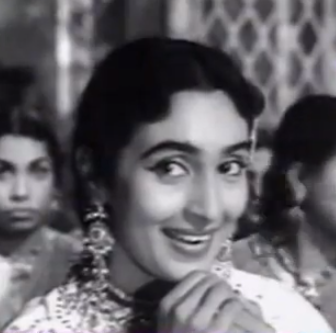
Mrs. 55 and I actually performed this qawwali at Harvard during the annual South Asian cultural show Ghungroo two years ago. One thing that we noticed after listening carefully to these lyrics during rehearsal is that there is some ambiguity in gender. While most of the song appears to be from a female perspective, we thought that lyrics take on a masculine role for the line starting with “jab kabhii mai.ne teraa chaand-saa chahraa dekhaa…” (Whenever my eyes have fallen upon your moon-like face…). In addition to the fact that the moon is traditionally used by males to describe feminine beauty (e.g. Mohammed Rafi’s “yeh chaa.nd-saa roshan chahraa“), Nutan’s gestures and body language become more masculine in nature in this segment of the song. In fact, as she sings these two lines, Nutan begins to walk with a manly gait and and then flirts with a female friend as if she is her male lover. We may have totally made this up in our heads, but it was not uncommon for such gender-bending to occur in Bollywood songs–a full post on this trend will be coming up soon! In any case, please enjoy this timeless qawwali while following along with our translation/glossary provided below, and remember to send us your requests for any other songs that you would like translated.

-Mr. 55

Nutan takes on the masculine role for a few lines in this qawwali

Nigahein Milane Ko Jee Chahta Hai Lyrics and Translation

raaz kii baat hai, mahfil me.n kahe yaa na kahe?
It is a secret matter; shall I share it in this gathering?
bas gayaa hai koii is dil me.n, kahe yaa na kahe?
Someone has begun to reside in my heart; shall I reveal this here?

nigaahe.n milaane ko jii chahtaa hai
I yearn to exchange glances with my beloved. 
dil-o-jaa.n luTaane ko jii chahtaa hai
I yearn to give away my heart and soul to him.  

woh tahumat jise “ishq” kahtii hai duniyaa
The allegation that the world calls “love,”
woh tahumat uThaane ko jii chahtaa hai
I yearn to accept that allegation.  

kisii ke manaane me.n lazzat woh paayi
Although I have experienced the pleasure of being appeased,   
ki phir ruuTh jaane ko jii chahtaa hai
I yearn to once again engage in a lovers’ tiff. 
 
woh jalvaa jo ojhal bhii hai saamne bhii
The splendor that vanishes and reappears in love, 
woh jalvaa churaane ko jii chahta hai
I yearn to steal that splendor.  
 
jis ghaDii merii nigaaho.n ko terii diid huii
The moment when our eyes first met,  
woh ghaDii mere liye aish kii tamhiid huii
That moment served as a prelude to happiness for me.  
jab kabhii mai.ne teraa chaa.nd-saa chahraa dekhaa.
Whenever my eyes have fallen upon your moon-like face, 
Eid ho ya ki na ho mere liye Eid huii
it is as if I am celebrating the holiday of Eid.  

ni re ga, ga re ga ni re ma, ma ga ma ni re ga
ga re ga ni ga re, re ga, ga ma, ma dha ni
sa sa ni ni dha dha pa pa ga re
sa ni dha pa ma ga re,
ni dha pa ma ga re sa ni, re ga 

mulaaqaat
kaa koii paighaam diije
Please send me a message about our next rendez-vous, 
ki chhup-chhup ke aane ko jii chahtaa hai
Because I yearn to visit you secretly, 
aur aake na jaane ko jii chahtaa hai
And upon visiting you, I hope to never leave.  

nigaahe.n milaane ko jii chahtaa hai
I yearn to exchange glances with my beloved. 


Glossary

raaz: secret; mahfil: gathering; nigaahe.n: eyes; dil-o-jaan: heart and soul; tahumat: allegation; manaanaa: to appease; lazzat: pleasure; jalvaa: splendor,charm; ojhal: vanished; diid: sighting, gaze; aish: joy, happiness; tamhiid: prelude, preamble; Eid: Islamic festival celebrating the end of Ramadan; mulaaqaat: meeting, rendez-vous; chhup-chhup ke: secretly; paighaam: message.

Nutan leads the chorus with an enchanting smile in Dil Hi To Hai (1963)