Yeh Ishq Ishq Hai Lyrics and Translation: Let’s Learn Urdu-Hindi

Bollywood Qawwali Barsaat Ki Raat Shyama Ratna

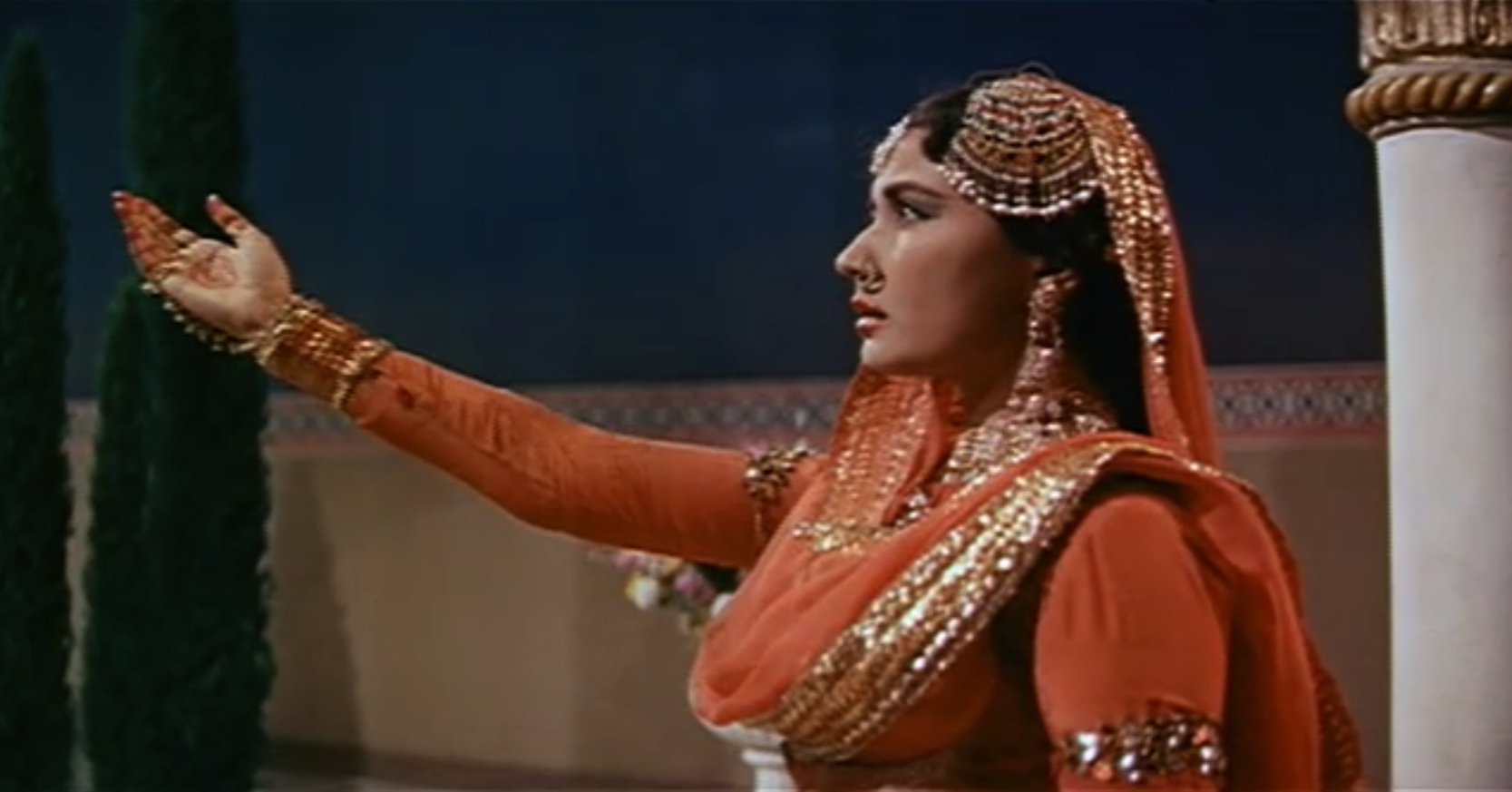
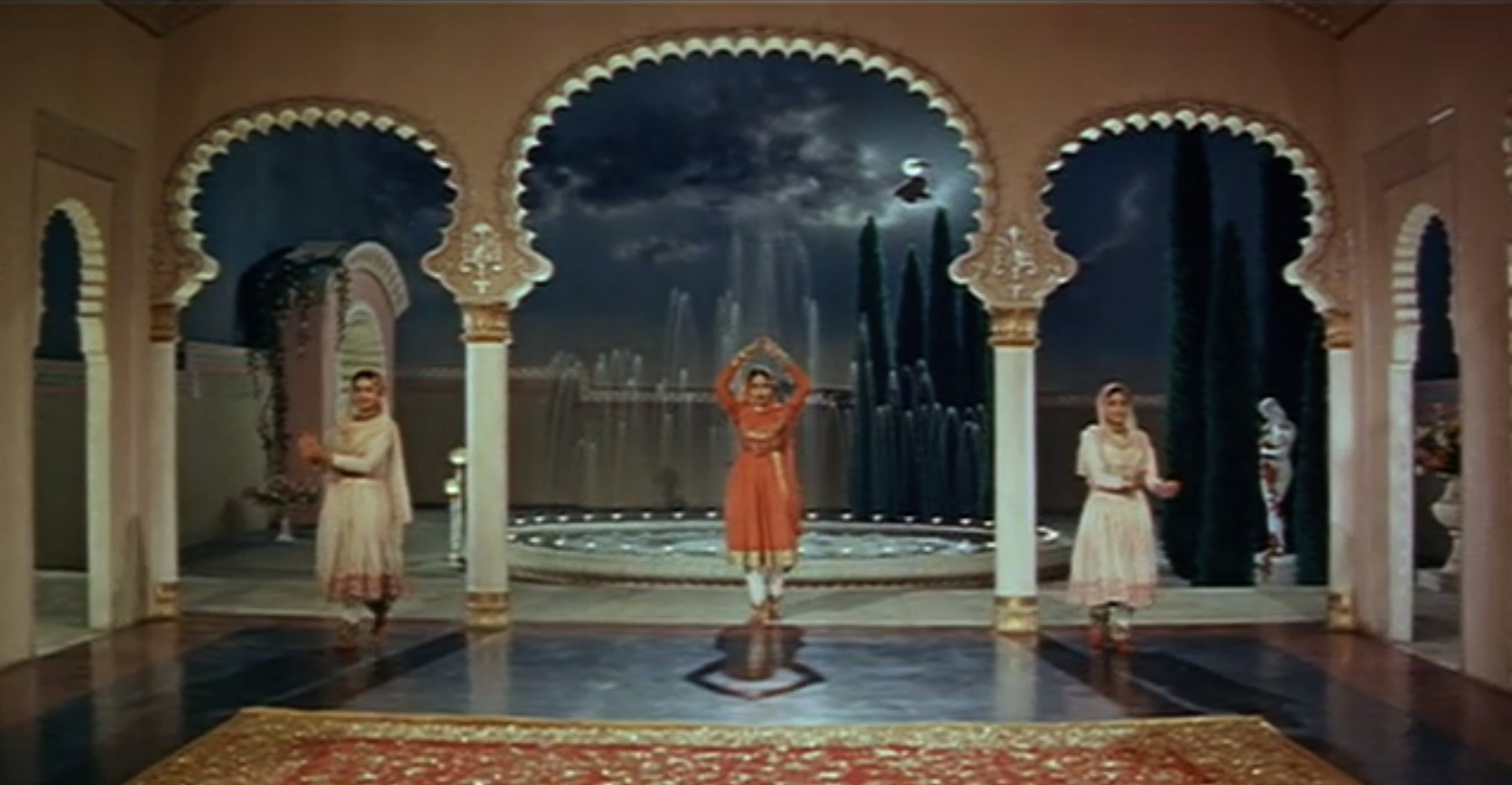
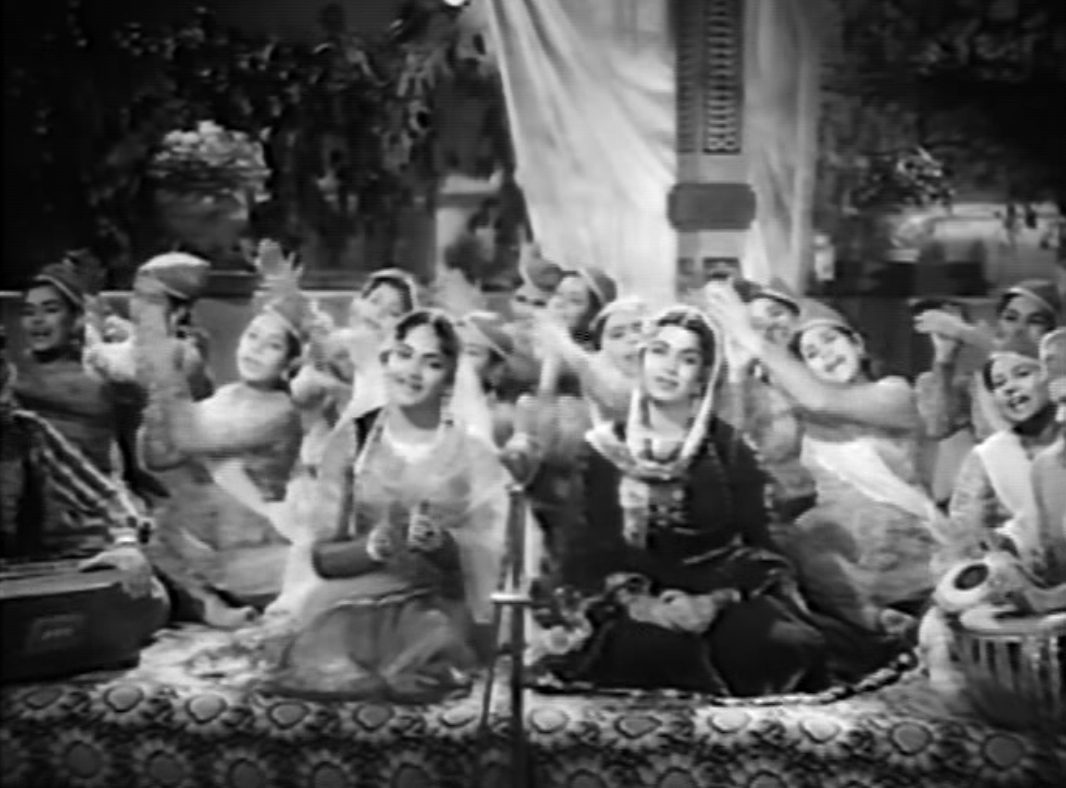
Ratna (left) and Shyama (right) lead the qawwali “Yeh Ishq Ishq Hai” from the hit Bollywood film Barsaat Ki Raat (196)

For our next post, we provide an English translation of “Yeh Ishq Ishq Hai” qawwali (and its prelude “Na to Caravan ki Talaash Hai“) from the all-time classic film Barsaat ki Raat (1960). For anyone familiar with the beautiful lyrics of this Sahir Ludhviani masterpiece, you know that “Yeh Ishq Ishq Hai” is the crowning jewel of the qawwali genre. The ultimate in lyrical poetry, allusions, wit, and transcendent symbolism, “Yeh Ishq Ishq Hai” was no easy task to translate and dissect. Sahir Ludhviani, who also later penned the gems from films like Taj Mahal (1963), wrote an album of love poetry for Barsaat Ki Raat--from “Zindagi Bhar Nahii.N Bhoolegi” to “Mai.N Ne Shaayad Tumhe” to la pièce de résistance, “Yeh Ishq Ishq Hai.”
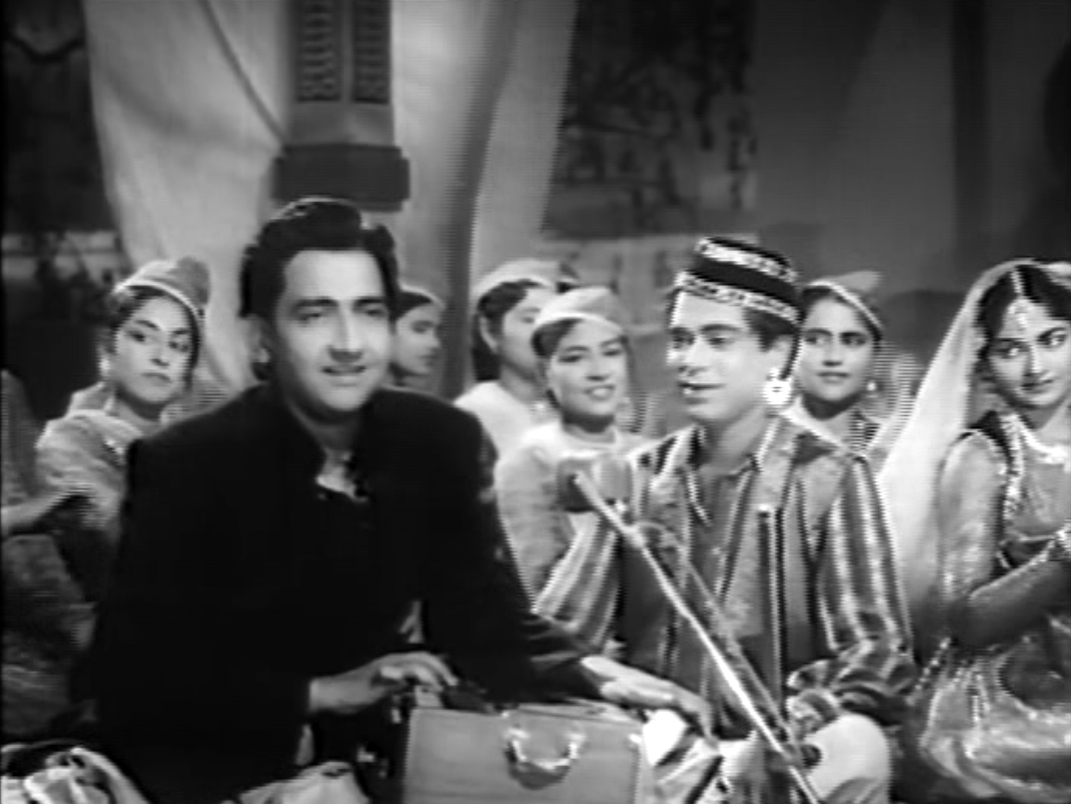
Bharat Bhushan Barsaat Ki Raat qawwali

Bharat Bhushan jumps in to save the girls’ qawwali team in “Yeh Ishq Ishq Hai” from Barsaat Ki Raat (1960)

Through this culmination piece of the film’s ongoing qawwali competition, both hero (Bharat Bhushan) and the heroine (Madhubala) are reunited after a long and painful separation. Mohammed Rafi, Asha Bhonsle, and Manna Dey vie to out-do each other in this clever, powerful discussion of the meaning of love, but at the song’s climax Rafi brings the qawwali to a heart-stopping triumphant finish that wins his team the competition. It is a real pleasure to appreciate the many levels on which the qawwali can be understood–from religious, to romantic, to quite literal–after singing “ilaaj koi to maut hai,” Shyama literally falls sick to her deathbed, or as Bharat Bhushan croons, “nikalii Radha saj ke,” Madhubala appears miraculously at the doorway from the prison of her house. Come follow along with our translation of this epic qawwali and it will be clear why “Yeh Ishq Ishq Hai” made Bollywood film history!
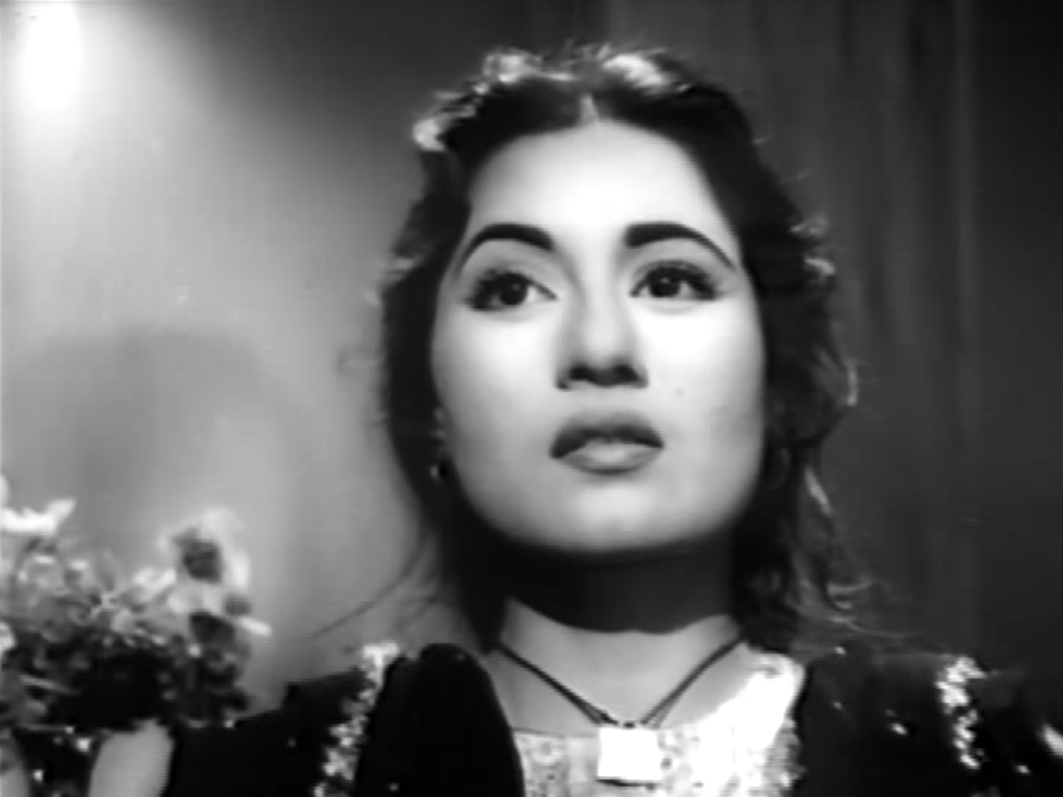
Madhubala Barsaat Ki Raat

Madhubala hears Bharat Bhushan on the radio and decides to find him in Barsaat Ki Raat (1960)

Yeh Ishq Ishq Hai Lyrics and Translation

MALE:

Na to caaravaan ki talaash hai
I am not in search of a caravan
Na to humsafar ki talaash hai
I am not in search of a fellow traveler
Mere shauq-e-khaana kharaab ko teri rehguzar ki talaash hai
That ruined place of my desire searches for the path that leads to you

FEMALE:

Mere naamuraad junoon ka hai ilaaj koi to maut hai
If there is any cure for my unfortunate obsession, then it is death
Jo davaa ke naam pe zehar de
Give me that medicine whose name is poison
Usi chaaraagar ki talaash hai
I am in search of such a healer

Tera ishq hai meri aarzoo,
Your love is my desire
Tera ishq hai meri aabroo,
Your love is my honor
Dil ishq, jism ishq hai, aur jaan ishq hai
My heart is love, my body is love, and my life is love
Imaan ki jo poochho to imaan ishq hai
If you ask for faith, then that is love too
Tera ishq mai.N kaise ChhoD doo.N?
How could I ever leave your love?
Meri umr bhar ki talaash hai
That love is what I have been searching for all my life

MALE:

Yeh ishq ishq hai, ishq ishq, yeh ishq ishq hai, ishq ishq
This is love, this is love, this is love
Jaan-soz ki haalat ko jaan-soz hi samjhegaa
Only one in torment can understand the condition of a fellow sufferer
Mai.N shamaa se kehta hoo.N mehfil se nahii.N kehta
I am speaking to the flame, not to the company gathered here
Kyonki yeh ishq ishq hai, ishq ishq, yeh ishq ishq hai, ishq ishq
For this is love, this is love, this is love

FEMALE:
Sahar tak sab ka hai anjaam jal kar khaak ho jaana
By dawn, everything will burn and be reduced to ashes
Bhari mehfil mei.N koi shamaa yaa parvaana ho jaaye
Everyone in this gathering shall became either flame or moth
Kyo.N ki yeh ishq ishq hai, ishq ishq, yeh ishq ishq hai, ishq ishq
For this is love, this is love, this is love

MALE:

Vehshat-e-dil rasn-o-daar se roki na gayi
Love is not stopped by the madness of the heart or ropes and the gallows
Kisi khanjar, kisi talvaar se roki na gayi
It is not stopped by any dagger, by any sword
Ishq Majnu ki woh aavaz hai jiske aage koi Laila kisi deewaar se roki na gayi,
Love is that voice of Majnu’s which Laila followed and which no barrier could stop
Kyo.N ki yeh ishq ishq hai, ishq ishq, yeh ishq ishq hai, ishq ishq
For this is love, this is love, this is love

Woh hanske agar maa.Nge.N to hum jaan bhi dede.N,
If she laughs and asks, then I would even give my life
Haa.N yeh jaan to kya cheez hai? Imaan bhi dede.N!
Yes, after all what is this life? I would even give up my faith!
Kyo.N ki yeh ishq ishq hai, ishq ishq, yeh ishq ishq hai, ishq ishq
For this is love, this is love, this is love

Naaz-o-andaaz se kehte hai.N ki jeena hoga,
I am told that I must live with my fate gracefully
Zehar bhi dete hai.N to kehte hai.N Ki peena hoga
They give me poison, and say I must drink
Jab mai.N peetaa hoo.N to kehte hai.N ki marta bhi nahii.N,
But when I drink it, then they say I won’t die
Jab mai.N martaa hoo.N to kehte hai.N ki jeenaa hogaa
When I am dying, they say I must live
Yeh ishq ishq hai, ishq ishq, yeh ishq ishq hai, ishq ishq
For this is love, this is love, this is love

Mazhab-e-ishq ki har rasm kaDi hoti hai,
The laws and customs of love are very strict
Har qadam par koi deewaar khaDi hoti hai
At every step, there is a barrier standing
Ishq aazad hai, Hindu Na Musalmaan hai ishq,
Love is free, love is neither Hindu nor Muslim
Aap hii dharm hai aur aap hii imaan hai ishq
Your own duty and your own faith alone is love
Jis se aage nahii.N shekh-o-Brahaman dono.N,
Both Hindu and Muslim religious men cannot surpass this
Us haqeeqat ka garajtaa hua ailaan hai ishq
The reality of that thundering proclamation is love

(FEMALE in Panjabi):

Ishq na puchhe deen dharm nu, ishq na puchhe jaataan
Love does not ask your religion or creed, love does not ask your social class or caste,
Ishq de haatho.N garam lahu vich doobiyaan laakh baraataan ke
Love has drowned thousands of wedding revelers in its fiery blood
Yeh ishq ishq hai, ishq ishq, yeh ishq ishq hai, ishq ishq
This is love, this is love, this is love

MALE:
Raah ulfat ki kaThin hai ise aasaan na samajh
The path of love is dangerous, do not think it easy
Yeh ishq ishq hai, ishq ishq, yeh ishq ishq hai, ishq ishq
This is love, this is love, this is love

FEMALE:
Bahut kaThin hai Dagar panghat ki
The path to the riverside is very dangerous
Ab kya bhar luau.N mai.N Jamuna se matki?
Now how can I fill my jug with water from the banks of the Jamuna River?
Mai.N jo chali jal jamuna bharan ko dekho sakhi ji mai.N jo chali jal jamuna bharan ko
As I was on my way to fill my jug with water from the Jamuna,
Nand kishor mohe roke jhaadon
The young boy of Nanda [Krishna] stopped me
To kya bhar luau.N mai.N Jamuna se matki?
So how can I fill my jug with water from the banks of the Jamuna River?

MALE:
Ab laaj raakho more ghoonghat pat ki
Now protect my honor, this veil of mine
Jab jab Krishn ki bansi baaji,
When Krishna played his flute
Nikali Raadhaa saj ke
Radha emerged, dressed up
Jaan ajaan ka dhyaan bhulaa ke,
Forgetting all she was taught
Lok laaj ko taj ke
She left the honor of society
Haaye ban ban Doli Janak dulaari,
The darling child of King Janak [Sita] swayed into the forest
Pehenke prem ki maalaa
And wore a garland of love
Darshan jal ki pyaasi Meera
Meera thirsty for her a glimpse of her Lord
Pii gayii vishh ka pyaalaa aur phir araj kari
Drank a glass of poison and then pleaded
Ke laaj raakho raakho raakho, laaj raakho dekho dekho,
Protect my honor, protect my honor, protect my honor
Yeh ishq ishq hai, ishq ishq, yeh ishq ishq hai, ishq ishq
This is love, this is love, this is love

Allah rasool ka farmaan ishq hai
The commands of God and Mohammed are love
Yaanii Hadith ishq hai, Quraan ishq hai
The teachings of Mohammed are love, the Quraan is love
Gautam kaa aur Maseehaa kaa armaan ishq hai
The wishes of Bhudda and Christ are love
Yeh kaayanaat jism hai aur jaan ishq hai
This material existence and this life are love
Ishq sarmad, ishq hii mansoor hai
Love is everlasting, love alone is victorious
Ishq Moosa, ishq Koh-e-Toor hai
Love is Moses, love is Mt. Sinai
Khaaq ko but, aur but ko devtaa karta hai ishq
Love turns clay into idols, and idols into Gods
Intahaa yeh hai ke bande ko khuda karta hai ishq
The pinnacle is that love has the power to turn a man into a revered God
Haan.N yeh ishq ishq hai, ishq ishq, yeh ishq ishq hai, ishq ishq
Yes, this is love, this is love, this is love

Glossary:

caravaan: caravan; talaash: search; humsafar: fellow traveler; shauq-e-khaana; desires, hobbies; barbaad: ruined; rehuguzar: pathway; naamuraad: unfortunate; junoon: obsession; ilaaj: cure; maut: death; davaa: medicine; zeher: poison; chaaragar: one who treats you, doctor, healer; aarzuu: desire; aabruu: honor; jism: body; imaan: faith; jaansoz: torment, soul-burning; sahar: the time before dawn; anjaam: conclusion; khaak: ashes; parvaanaa: moth (used allegorically as one blinded by love); vehshat: madness; rasn: rope; daar: gallows; khanjar: dagger; talwar: sword; LailaMajnu: legendary ill-fated lovers; awaaz: voice; deewaar: barrier, wall; cheez: thing; naazoandaaz: pride and style, grace; mazhab: law; kaDi: strict, harsh; qadam: step; azaad: free; dharm: Hindu religious duty; haqeeqat: reality; garajnaa: to thunder; ailaan: proclaimation; deen: Islamic obedience; jaataan: caste; lahu: blood; ulfat: love; kaThin: dangerous; aasaan: easy; Dagar: pathway; maTki: jug, pot; Nand kishor: young Krishna laaj: honor; ghuunghat: veil; bansi: type of flute; dhyaan: meditation; lok: people, society; ban: forest; Dolna: to sway; Janak Dulari: The darling daughter of the mythological King Janak [Sita]; prem: love; maalaa: garland; darshan: glimpse of a deity; pyaasi: thirsty; vish ka pyaalaa: glass of poison; araj: plea; rasool: messenger [of God, Mohammed]; farmaan: commands; hadith: a report of the deeds and the teachings of Muhammed, Gautam: Buddha; Maseehaa: Jesus Christ; kaayanaat: material creation; sarmad: everlasting; mansoor: victorious, Moosaa: Moses; Koh-e-Toor: Mt. Sinai; khaaq: clay; but: idol; devtaa: God; intahaa: pinnacle, culmination

Yes, that glossary was a mouthful. Even as it is, I must warn that many of these words have a far deeper religious meaning to them that cannot be summed up in the one or two words as I have defined them. But no one said the Hindustani language was easy, and this song is just loaded with Arabic-based and Sanskrit-based vocabulary as well as references from both Hindu and Islamic traditions. It’s part of why Urdu-Hindi is such a complex, beautiful and absolutely fascinating language. Let’s take a more in-depth look at some of these lines:

  • “Ishq Majnu ki woh awaaz hai…” according to the Arab legend, similar to Romeo and Juliet, Laila and Majnu (whose nickname means “madly in love”) were two star-crossed lovers from rival families. However, Laila fled from her house to be with the one she loved and it is said that as Majnu was caught and whipped, their love was so strong that Laila screamed and blood appeared to flow from Laila’s skin instead.
  • “Bahut kaThin hai Dagar panghat ki…” is actually a line from the great Amir Khusrau qawwali written during the 13th century. The qawwali refers in one sense to the risks of dishonor faced by Radha as she attempted to fetch water, another sense explores the risks of standing up for religious beliefs (in Khusrau’s case, an allegiance to Sufi saint Nizamuddin Auliya.) The line has now become a sort of idiomatic warning to not underestimate the burden of any difficult task.
  • “Jab jab Krishna ki bansi baaji…” refers to the tales of Hindu folklore of childhood lovers Krishna and Radha, the latter of whom risked familial honor and suffered teasing and torment from her girlfriends in her love for the young Lord.
  • “Janak dulari ban ban Doli…” is a reference to the Ramayan in which Sita, upon learning of her husband Ram’s banishment to the forest, renounced her title as well. Sita, it should be recalled, had a very lavish upbringing as she was the daughter of King Janak, so this was no simple sacrifice to live in the dangerous jungle. But Sita’s love was unparalleled, and although she was not otherwise compelled to accompany Ram to the jungle, did indeed join him out of pure devotion.
  • “Darshan jal ki pyaasi Meera…” refers to the legend of Krishna devotee and Rajput Princess, Meera Bai of the 16th century. Her zealous worship and love of Krishna inspired not only many famous bhajans we know and sing today, but the resentment of her brother-in-law who frowned upon her actions (eg. mingling with the poor, ignoring her husband, etc.) He made several notorious attempts to kill her, including forcing her to drink a glass of poison that Lord Krishna is said to have transformed into nectar and saved her when she pleaded for the Lord to protect her honor.

As you can probably tell, I LOVE this qawwali. I discover new things every time I enjoy it (for example, anyone else notice how the background clappers only start shrugging their shoulders cliched bhangra-style ONLY when Ratna starts singing in Panjabi? Coincidence? I think not!) The song indeed transcends all religious and material loyalties, bringing the audience a dazzling, other-wordly experience. For anyone who’s tired of all the allegories and vocabulary quizzes, here’s the long-awaited behind-the-scenes gossip:

Did you know Bharat Bhushan actually got married in real life to Ratna (who ironically played the only character in the film NOT in love with him!) Surprise, right!? She was his second wife, and some even say that later mild-mannered Bharat Bhushan had had an affair with none other than Meena Kumari. Did the scandals never end in this town?

For more Urdu bliss, check out our post on the beauty of Urdu poetry in Hindi films!

-Mrs. 55

Ratna Barsaat Ki Raat

Ratna, wife of Bharat Bhushan, plays a sassy side-kick in the film Barsaat Ki Raat (1960)

Jani O Jani Lyrics and Translation: Let’s Learn Urdu-Hindi

Next we will discuss the lyrics and translation of the nostalgic Kishore Kumar song “Jani O Jani.” However, this post is going to be a little different since something a little different happened to me this month. My wonderful boyfriend of 2 years proposed to me! We met when he was recruited by a friend to be an extra in the 1950s Bollywood film tribute I was shooting for my thesis at Harvard. The deal was essentially sealed when I realized he had heard more than half the songs on my 60s Mohammed Rafi playlist. Two years later, he planned a surprise engagement proposal straight from a Bollywood dream sequence! I was reminded immensely of an old Kishore Kumar gem, “Jaani O Jaani” from Raja Jani (1972). There is something both nostalgic and hopeful about this song that I love.

Raja Jani (1972) is actually an incredibly fun film–basically the 70s Bollywood version of the American feature-length cartoon Anastasia (1997). It’s colorful, upbeat, and filled with exciting drama at its predictable best. The story is written by the highly-talented Nabendu Ghosh, who also wrote more somber-toned philosophical works like Bandini (1963) and Teesri Kasam (1967).

We don’t often translate Kishore Kumar songs on this site because of my obsession with Mohammed Rafi and Mr. 55’s obsession with Lata (surprise surprise—Mr. 55 and I are just friends!). But this song is special. It’s picturized on Dharmendra driving through the Delhi streets and evokes that sense of travel and beginning a journey found in many of Kishore other great hits (eg. “Musafir Hoo.N Yaaro.N”, “O Maaji Re”, etc.). Very appropriate for the occasion of starting a new life together (oh, give me a break).

Dharmendra and Hema Malini exchange uber cute glances in Raja Jani (1972)

Lyrics and Translation:

Jani O jani
Darling, oh darling
Jaldi se aaja miljaa ke biit jaaye yeh jawaanii
Come meet me quickly because our youth slips away

Bigda naseeba banne ke liye
To correct my misguided fate
Ek ishaaraa tere kaafi hai
Just one signal from you is enough
Aashiq ke jiine marne ke liye
To make the choice between life and death for a lover
Itna sahaara tera kafi hai
That is all the support that is needed
Tujh pe lutadoonga mitadoonga mai.N yeh zindagaani
For you, I would throw away and wipe out this life of mine
Jaani O jaani jaani O jaani
Darling, oh darling

Aankhon mei.N teri tasveer liye
Carrying your picture in my eyes
DhuunDh raha hoo.N tujhe raste mei.N
I search for you along the way
Teri galii mei.N teraa diiwaanaa
In your street, that man who is crazy in love with you
Bech rahaa hai dil saste mei.N
Is selling his heart to you cheaply
Karle yeh sauda leja deja raani dil ki nishani
Accept this bargain and let us exchange, my queen, tokens of our hearts
Jaani O jaani
Darling, oh darling

Glossary:

jaani: darling, sweetheart; jaldi se: quickly; jawaani: youth; naseeba: fate; ishaaraa: signal; aashiq: lover; sahaaraa: support; zindagaani: life; tasveer: picture; sauda: bargain, exchange

I know, I know, this is obnoxious, but I really had to put a picture of my engagement ring here. Is the teal box in the background a subtle enough clue that it’s from Tiffany’s?! Was the complimentary teal background over-doing it?

Why yes, it’s a flawless Tiffany solitaire engagement ring.

OK, OK, I’m done now.

-Mrs. 55

Woh Shaam Kuch Ajeeb Thi Lyrics and Translation: Let’s Learn Urdu Hindi

Waheeda Rehman Rajesh Khanna khamoshi

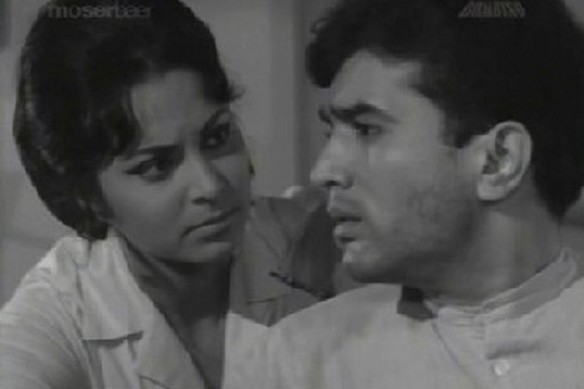
Waheeda Rehman soothes Rajesh Khanna’s aching soul in Khamoshi (1967).

Our next post will explore the stirring lyrics and translation of “Woh Shaam Kuch Ajeeb Thi” from Khamoshi (1967.) A one-of-a-kind film from its generation, Khamoshi is the moving story of patients in an insane asylum and the woman who treats them played by the graceful Waheeda Rehman. In American and European films, the theme of mental illness, the dangers of institutionalism, and the murky line between doctor and patient had been explored quite frequently–such as with famous German Expressionism’s The Cabinet of Dr. Calighari (1931), Hitchcock’s Spellbound (1958), and of course, One Flew Over the Cuckoo’s Nest (1976). However, in Bollywood, the Asit Sen hit Khamoshi vividly remains the only film from that era to have fully explored this theme.

Based on the short story “Nurse Mitra” by Ashutosh Mukhopadhyay, Khamoshi shines with wonderful performances, exquisite musical compositions, and disturbing black-and-white cinematography. Interestingly, Suchitra Sen starred in the original Bengali version Deep Jwele Jaai (1959) also directed by Asit Sen!

In this song, Rajesh Khanna, a patient at the mental institution where Waheeda works, takes her on a boat and declares his love for her. Still recovering from an episode in which he was jilted by a former girlfriend, Rajesh blurs his memories of the two women in these lyrics. Little does he know, his blind, albeit misguided love is the final provocation for Waheeda Rehman to lose her own sanity as she struggles to recover from having also lost one she once loved.

Waheeda Rehman works as a nurse in an insane asylum for the love-sick in Khamoshi (1967)

Woh Shaam Kuch Ajeeb Thi Lyrics and Translation:

Woh shaam kuch ajeeb thi
There was something strange about that evening,
Yeh shaam bhi ajeeb hai
Just as this evening feels strange
Woh kal bhi paas paas thi, woh aaj bhi qareeb hai
She was close to me yesterday, she is near me today as well
Woh shaam kuch ajeeb thi
There was something strange about that evening

Jhukii hui nigaaho.N mei.N, kahii.N meraa khayaal thaa
In her lowered gaze, perhaps there was a thought of me
Dabi dabi ha.Nsii mei.N ek haseen saa gulaal tha
As she suppressed a smile, there was a burst of beautiful color
Main sochtaa thaa meraa naam gungunaa rahi hai woh
I used to think that she was singing my name
Na jaane kyo.N laga mujhe ki muskuraa rahi hai woh
I do not know why it seemed to me that somewhere she is smiling
Woh shaam kuch ajeeb thi
There was something strange about that evening

Meraa khayaal hai abhii jhuki hui nigaaho.N mei.N
Now thoughts of me are in her shy, lowered gaze
Khulii hui hansi bhi hai, Dabii huii sii chaah mei.N
Even though she is laughing openly, there a hidden desire
Mai.N jaanta hoo.N, meraa naam gungunaa rahi hai woh
I know that she is singing my name
Yehii khayaal hai mujhe ki saath aa rahi hai woh
It appears to me that she is coming closer
Woh shaam kuch ajeeb thi
There was something strange about that evening

Glossary:

shaam: evening; ajeeb: strange; qareeb: close, near; jhuka: lowered; khayaal: thought; ha.Nsii: laughter; gulaal: color [like those thrown during the festival of holi]; muskuraanaa: to smile; khula: open; chaah: want, desire

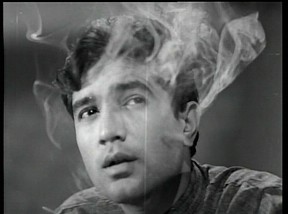
Rajesh Khanna checks in to the kind of hospital where smoking is permitted, and professionalism in doctor-patient relationships remains conveniently undefined…Khamoshi (1967)

For whoever can’t handle the suspense, the film ends with Waheeda being committed to her own institution and Rajesh Khanna declared sane–with the implication that one day perhaps another doctor will fall in love with her and the roles will reverse yet again. It is a cold and disturbing message filmed with some of the purest cinematographic beauty in Bollywood. I’ll spare you from a discussion of subversive political symbolism, but I will point out one last bit of trivia:

In the Bengali version, the Hemant Kumar song “Ai Raat Tomar Amar” is filmed with the same mis-en-scene as “Tum Pukar Lo” in Khamoshi, however, the melodies are not the same! “Ai Raat Tomar Amar” is in fact the musical predecessor of “Yeh Nayan Dare Dare” from Hemant Kumar’s later soundtrack in Kohraa (see our post on Bollywood film noir for more). Music directors back then were notorious for reusing compositions–and we’re sure glad they did!

-Mrs. 55

Chalte Chalte Lyrics and Translation: Let’s Learn Urdu-Hindi

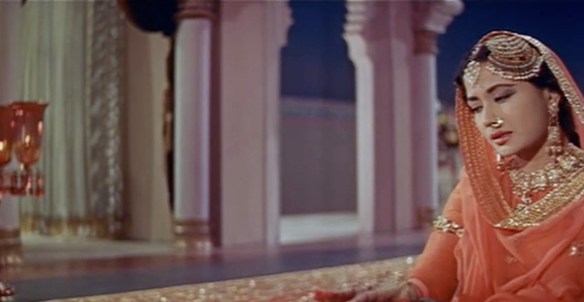
Meena Kumar shines as Pakeezah in the beloved mujra song "Chalte Chalte."

Meena Kumar shines as the golden-hearted Pakeezah in the beloved mujra song “Chalte Chalte.”

For our next song, we provide an English translation of the timeless lyrics of Pakeezah’sChalte Chalte.” The film Pakeezah (1971) instantly reached legendary Bollywood status upon its release, due in part to the ethereal musical score, brilliant Urdu dialogue, lavish sets, but also from its star Meena Kumari’s untimely death within a week of the premiere. This song is known everywhere, and the beauty of Meena and Lata’s performance truly speaks for itself. My parents have old home videos of 4-year-old me draping a chunni on my head and attempting to dance and sing along with her during this song. It’s hard to put that kind of impact into words, but you can tell it’s profound.

Anyway.

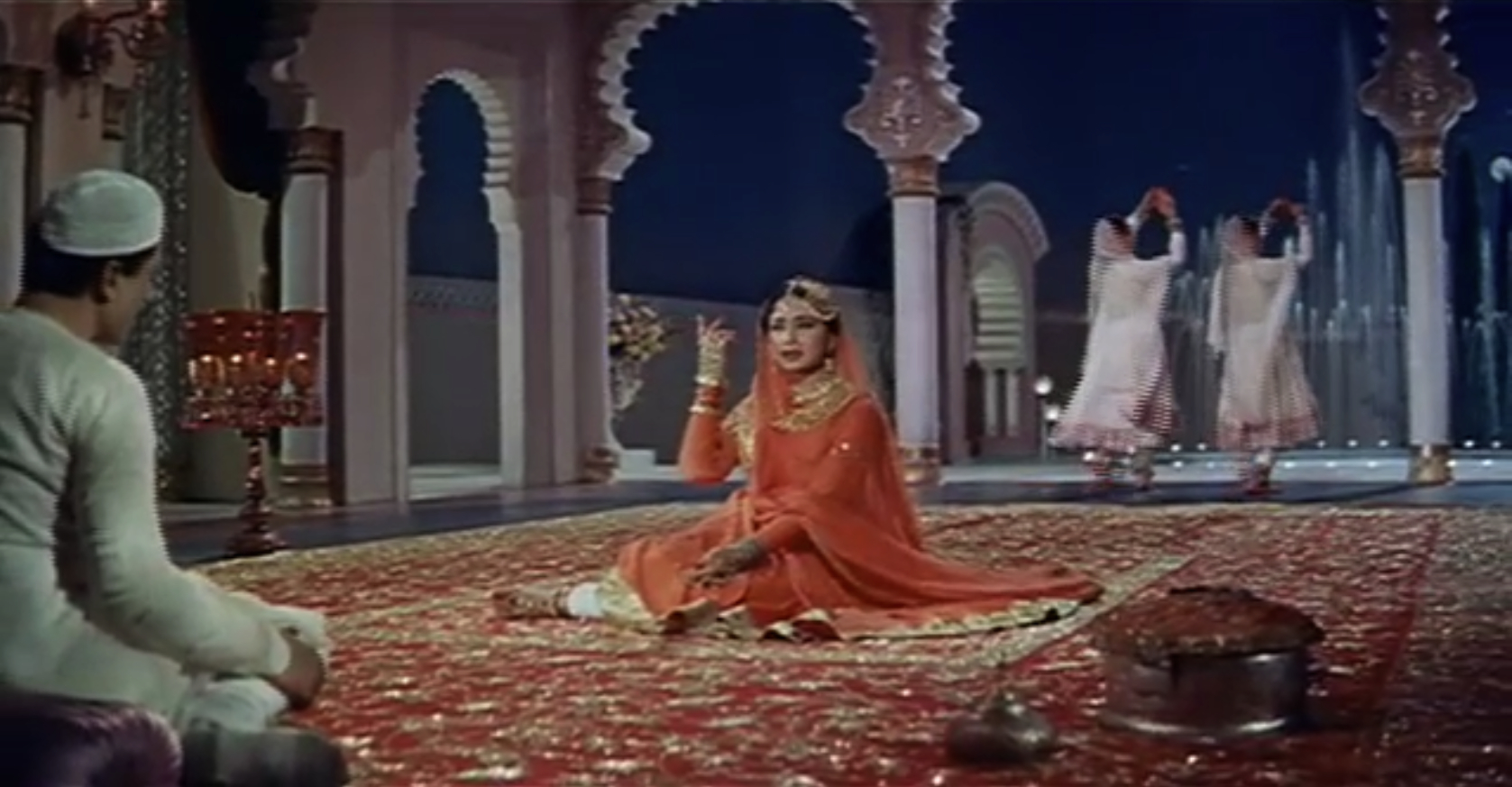
Meena Kumari dazzles her audience with “Chalte Chalte” in Pakeezah (1971)

An interesting facet of this song is the interwoven theme of the train ride. For anyone familiar with film theory, “the train” has a fascinating and critically important role in cinematic history across the globe. Likened to films themselves, the train transports you to a different world and takes you on a brief journey that can leave you different from when you started. It is a theme heavily explored by early French filmmakers first experimenting with the medium (you may remember the loving references to the Lumiere brother’s Arrival of a Train at La Ciotat Station (1895) in Hugo!), and in Indian cinema, trains play no less an important role. Like Satyajit Ray’s famous Pather Panchali (1955) which pivoted on the introduction of a train whistle across the quiet sugarcane fields, so too does the world of Pakeezah hinge on the sound of a distant train whistle incorporated into the score at the end of the song. For trains can represent that journey from tradition to modernity, from reality to fantasy, and for Pakeezah as well as Kamal Amrohi’s viewers entering a hidden, dying world of ornamentation, the train is a vehicle of escape.

Gesturing to the moon, Meena Kumari waits for her mysterious admirer to find her again in Pakeezah (1971)

“Chalte Chalte” will absolutely leave you wishing for more, so make sure you watch the movie if you ever want to claim cultural competency. To read more about this film, check out our post on behind-the-scenes Pakeezah trivia! Enjoy our full lyrics and English translation to “Chalte Chalte” below!

Chalte Chalte Lyrics and Translation:

Chalte chalte yuu.N hii koi mil gaya tha
I met someone by chance while walking
Sare raah chalte chalte
Walking around the path
Wohii thamke rah gayii hai
The night suddenly came to a standstill
Meri raat dhalte dhalte
Just as it was about to fade away

Jo kahii gayii na mujhse
What I was unable to voice
Woh zamaanaa keh rahaa hai
The world is now saying
Ki fasaanaa ban gayii hai
That a fable has been created
Meri baat talte talte
From those words which evaded me

Shab-e-intezaar aakhir kabhi hogi mukhtasar bhi
That night of waiting will after all shorten soon
Yeh chiraag bhuj rahi hai
These lamps are dying
Mere saath jalte jalte
As they burn alongside me

Glossary:

raah: path; zamaanaa: the world; fasaanaa: fable, legend; baat: words, incident, matter; talna: to evade, to escape; shab-e-intezaar: night of waiting; mukhtasar: short, soon; chiraag: flame

The production value of this film is ridiculous.

It’s always slightly bothered me that after the first antra the two back-up dancers start twirling, and after the second turn, get completely off-sync since the genius on the right goes a little too fast for the music. Kamal Amrohi cuts quickly to the next shot when this starts happening, so you might say it’s not a huge deal per se, but for someone who was such a neurotic perfectionist, how did this slip by him? It just gets to me every time. Or am I over-thinking this?

-Mrs. 55

​Raat Akeli Hai Lyrics and Translation: Let’s Learn Urdu-Hindi

Now we will take a look at the lyrics and English translation of the seductive number “Raat Akeli Hai.” When it came to vamp songs, cabaret numbers, and being the voice any kind of seductress, Asha Bhonsle was the Queen. And yes, while this usually amounted on screen to Helen shaking her stuff in a skin-tight showgirl costume, Asha lent her versatile voice to many other actresses called upon for the vamp sequence, from Sadhana to Parveen Babi. One of her best is the Tanuja hit “Raat Akeli Hai” from Dev Anand’s hit Jewel Thief (1967) and we will now present the song’s full lyrics and translation. Asha Bhonsle gives an amazing performance–magnificently hitting both the highest of highs and hiding a sultry laugh beneath the lows. In the movie, Tanuja plays a fire-cracker “modern girl” (discussed more in our earlier post on Jewel Thief!) whose bold lines she uses to pick up Dev Anand would make anyone blush from awkwardness.

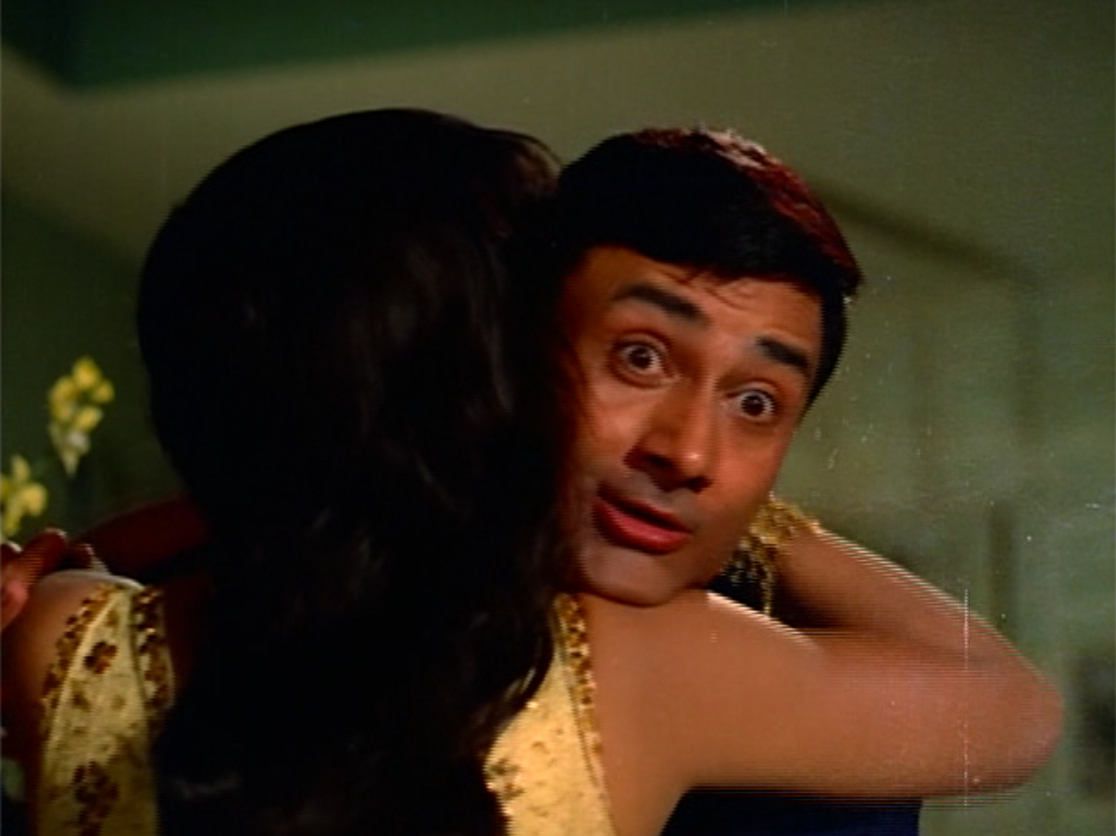
Even dapper Dev Anand is overwhelmed by Tanuja’s advances in Jewel Thief (1967).

In this song, however, her craziness works, and Tanuja is completely adorable. Bursting at the seams from her tight-fitting white dress, she seduces the hero by reaching into the living room’s classy mini-fridge and pulling out two coca-colas. Yes, it’s the 70s living at its finest. Who needs cocktails when you’re this smooth?

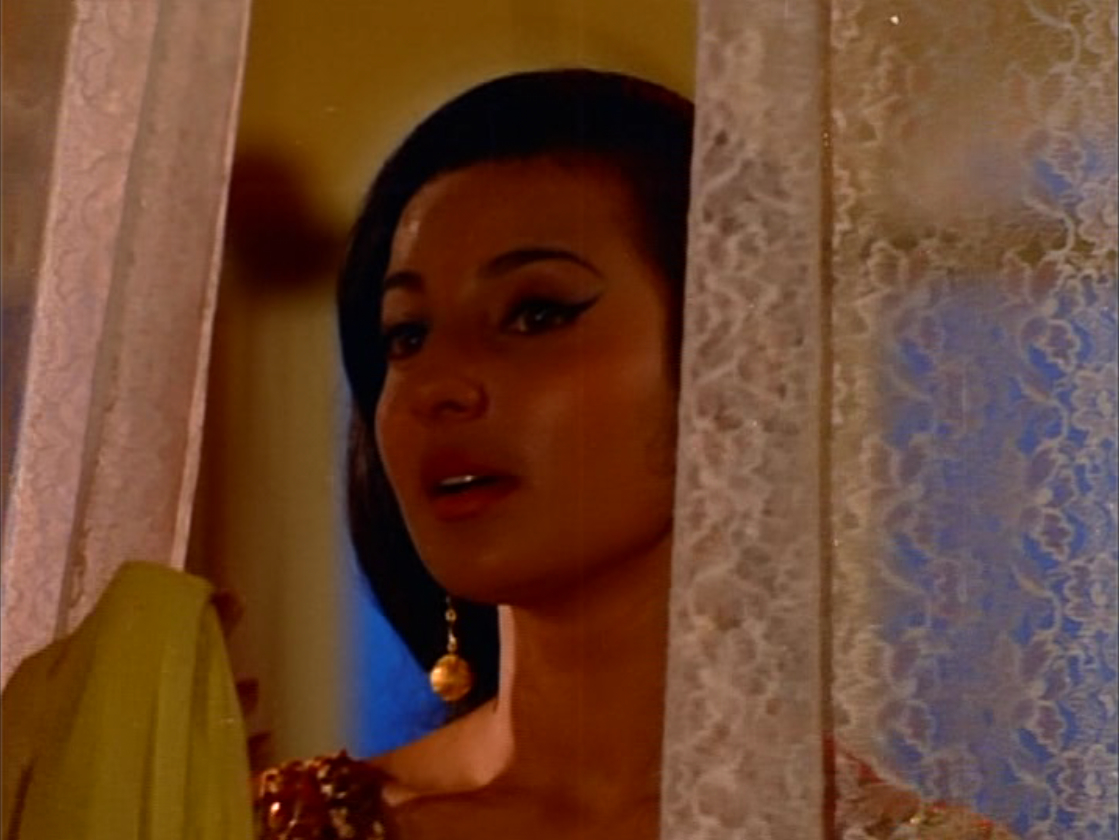
Tanuja shakes everything she has in a hip-hugging white dress from the seduction sequence of Jewel Thief (1967).

Enjoy our English translation of the tempting lyrics to “Raat Akeli Hai” below!

Raat Akeli Hai Lyrics and Translation:

Raat akelii hai, bujh gaye diye
The night is lonely, and the lights have gone out
Aake mere paas, kaano.N mei.N mere
Come close to me, and in my ears
Jo bhii chaahe kahiye, jo bhii chaahe kahiye
Tell me whatever you desire

Tum aaj mere liye ruk jaao, rut bhii hai fursat bhii hai
Today, stop a while for me, the atmosphere is right and we are at leisure
Tumhii na ho na sahii, mujhe tumse muhabbat hai
You may not feel the same, but I love you
Muhabbat kii ijaazat hai, to chhup kyuu.N rahiye
I have permitted you to love me, so why remain quiet?
Jo bhii chaahe kahiye, raat
Tell me whatever it is that you desire

Savaal banii huii dabii dabii uljhan siino.N mei.N
The confusion buried in my heart has surfaced as this question
Javaab denaa thaa, to Duube ho phasiino.N mei.N
You were supposed to give an answer, but you became drenched in sweat
Thaanii hai do hasiino.n me.n, to chup kyuu.N rahiye
When there is a resolve between two beautiful people, then why remain quiet?
Jo bhii chaahe kahiye
Tell me whatever it is that you want
Raat akeli hai…

Glossary:

akelii: lonely; kaan: ear; rut: atmosphere, season; fursat: leisure time; ijaazat: permission; chhup: silent; savaal: question; siin: chest; javaab: answer; Duubna: to become drenched, to drown; phasiinaa: sweat; thanii: resolve, commitment

Tanuja coyly wraps herself in a curtain in “Raat Akeli Hai” from Jewel Thief (1967)

Wondering what that glass-shattering note is Asha hits over and over again in this song? It sounds fancy, but it’s really just a high F.  Our girl Asha can go higher–more on this in our post on Lata and Asha’s highest notes!

-Mrs. 55